
Reviewed · HISTORICAL TOURS
Quebec City’s History in Virtual Reality
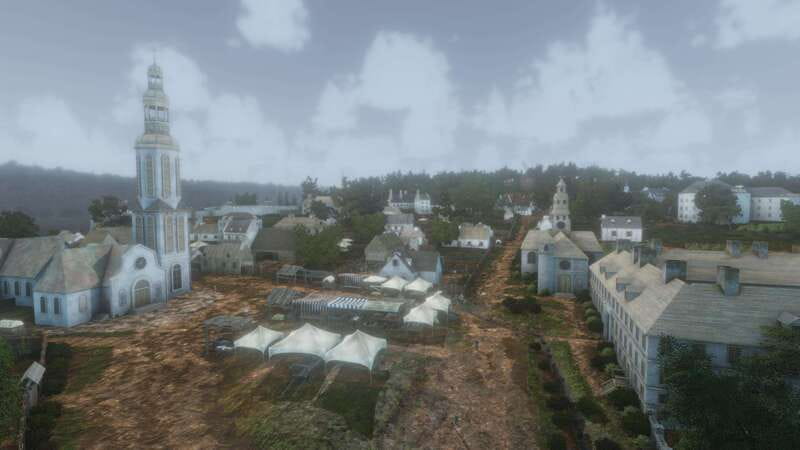
Quebec City’s past unfolds around you in a seated virtual reality presentation set inside the old vaults of Maison Chevalier. In 40 minutes, you move through 10 key moments covering more than 400 years, from the events that shaped the city to the battles that made it famous.
I like the compact format and the setting. The experience uses more than 6,200 hours of research and programming, then packs that work into a clear, weatherproof activity. I also like the price: at $19, it gives you a useful introduction before you spend the rest of your day walking through Old Quebec.
The main drawback is the technology. Some scenes can look blurry or dated, and one reported problem was music loud enough to compete with the narration. You should treat this as a lively history lesson, not a cutting-edge video game.
Key points to know before booking
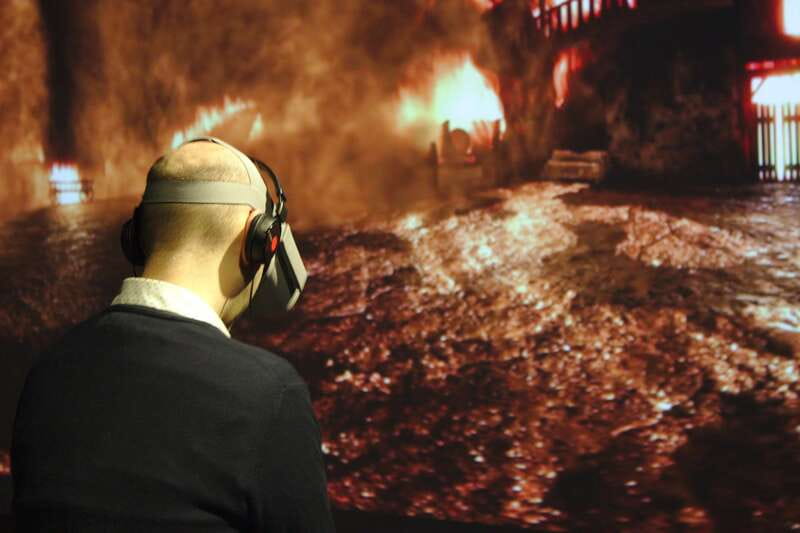
- 400 years in 10 moments: The program focuses on major turning points rather than trying to tell every detail of Quebec City’s past.
- A 1752 setting: You watch the presentation inside the historic vaults of Maison Chevalier, which date from the 18th century.
- Seated from start to finish: This is a good option if you want history without a long walk or extended time on your feet.
- Battles are a major strength: Reenacted conflicts help explain why Quebec City became so important.
- Several language choices: Instruction is available in English and French, while the audio guide also includes Spanish and Chinese.
- Good value for a short activity: The $19 price works well for a quick cultural stop in Old Quebec, especially in poor weather.
Inside Maison Chevalier’s old stone vaults
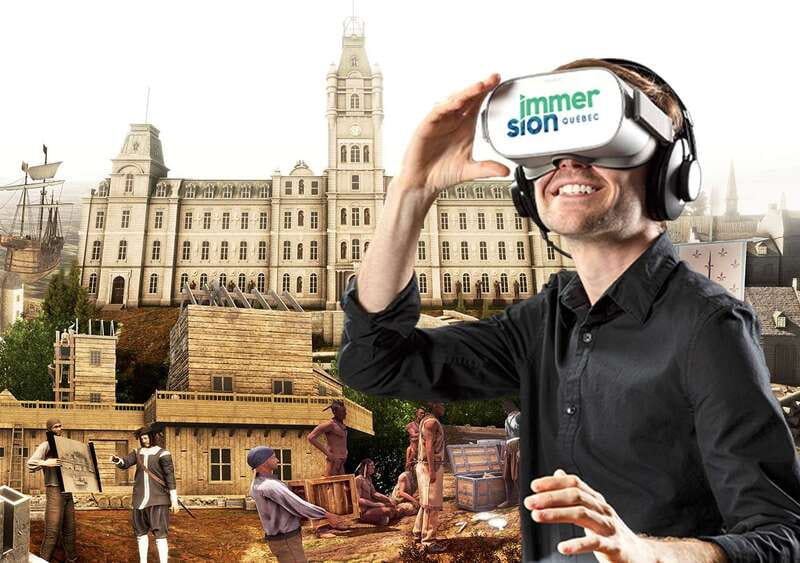
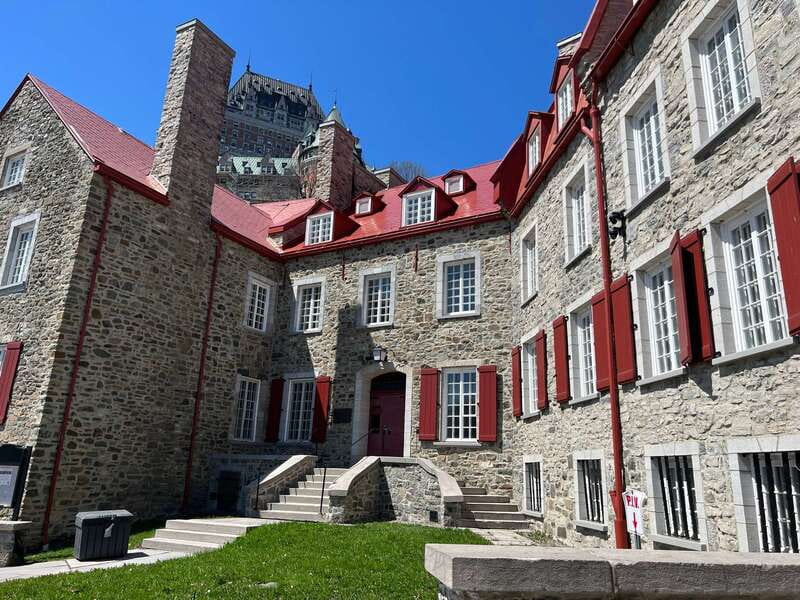
The location gives this activity an advantage before the headset even begins. Maison Chevalier is a historic building with vaults dating to 1752, and Immersion Quebec operates from those lower rooms.
Look for the entrance door on the left near the sidewalk. That detail matters because historic streets in Old Quebec can be confusing, and the business is located in the vaults rather than presented as a large street-level attraction.
You remain seated throughout the program. That makes the experience easy to fit between walking tours, meals, or museum visits. It also gives you a break from the steep streets and stone paving around Old Quebec.
The room itself is part of the appeal, but do not expect a full guided tour of Maison Chevalier. The building provides the setting for the presentation. The main focus is the headset and the historical story shown through it.
More Historical Tours in Quebec City
- Evening Gourmet Tour 5 Course Dinner – History and Food in Old Quebec City
★ 5.0 · 496 reviews - Quebec City: Old Quebec Historical Walking Tour
★ 4.8 · 409 reviews - Combo Historical and Food Tour of Old Quebec
★ 5.0 · 360 reviews
How the 40-minute presentation works
The basic format is simple. You sit down, put on the virtual reality projection headset, and follow a presentation built around 10 important moments in Quebec City’s past.
The program covers more than 400 years, so it cannot pause for every person, building, or political change. Instead, it uses major events to explain how the city developed and why it matters today.
That approach is useful if Quebec City is new to you. You get a broad framework first, then the streets and landmarks outside begin to make more sense. Afterward, you may recognize the city not just as a pretty old town, but as a place shaped by colonial power, warfare, trade, culture, and competing empires.
The presentation combines narration, 3D animation, and historical images. The stated research and programming effort exceeds 6,200 hours, which suggests that the project is built around more than a quick collection of tourist facts.
Still, the technology has limits. One recent assessment found the images somewhat blurred and less attractive than expected, with a suggestion that detailed drawings and real photographs might have made people and buildings easier to understand. If visual sharpness matters greatly to you, keep that in mind.
The 10 key moments and what they add
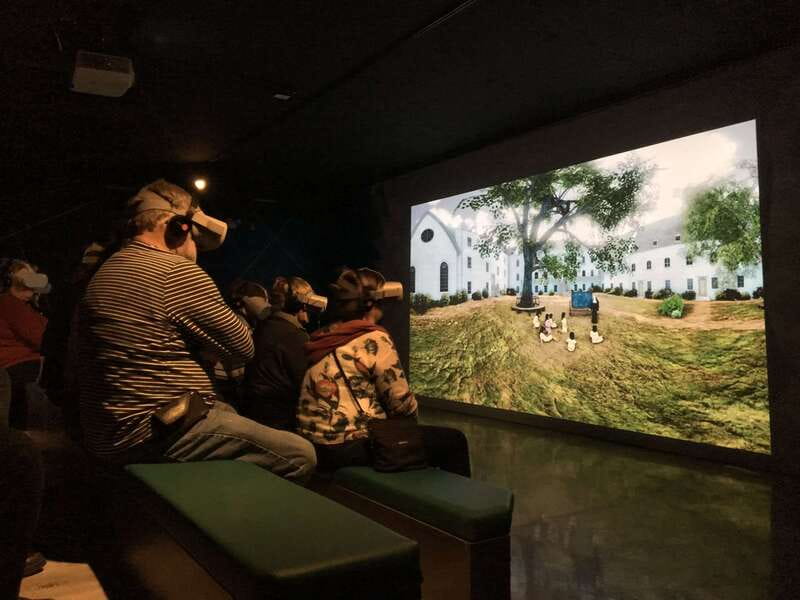
The program does not provide a separate walk through individual buildings or a stop-by-stop outdoor route. Its 10 moments work more like chapters in a fast historical film.
You begin with the broad story of Quebec City and then move through the events that explain its importance. The goal is not to memorize dates. It is to understand why this particular site became central to the history of French North America and Canada.
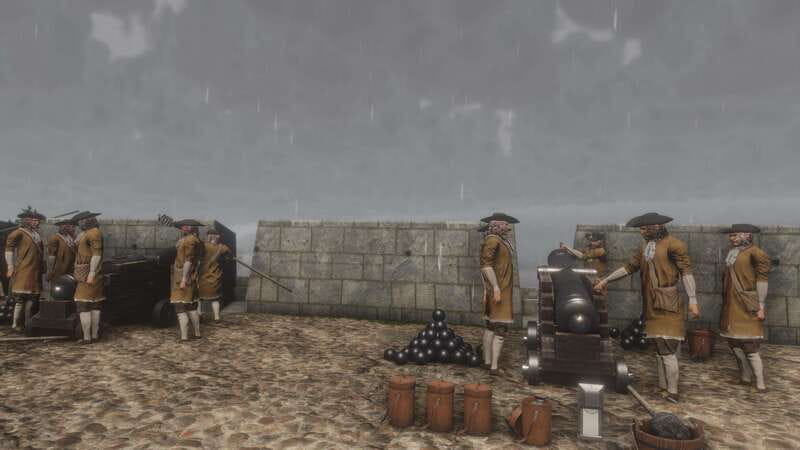
The most useful parts are likely to be the moments connected to conflict. The city’s history is closely tied to military struggles, and the presentation uses reenactments to help you picture those events. This can be more helpful than reading a plaque that simply lists a battle and a year.
The battle scenes also give you a reason to look at the city differently afterward. Fortifications, high ground, gates, and the location of the old city stop being random features. They become pieces of a larger strategic story.
The program also reaches beyond warfare. Its 10-part structure includes the cultural and political forces that helped shape Quebec City into the place you see today. The balance may not be equally detailed in every section, since 40 minutes is a short running time, but the format keeps the story moving.
You should expect a guided overview rather than a scholarly lecture. If you already know Quebec City’s past well, some sections may feel familiar. If you are visiting for the first time, the presentation gives you a useful map of the major themes.
Why the battle scenes help
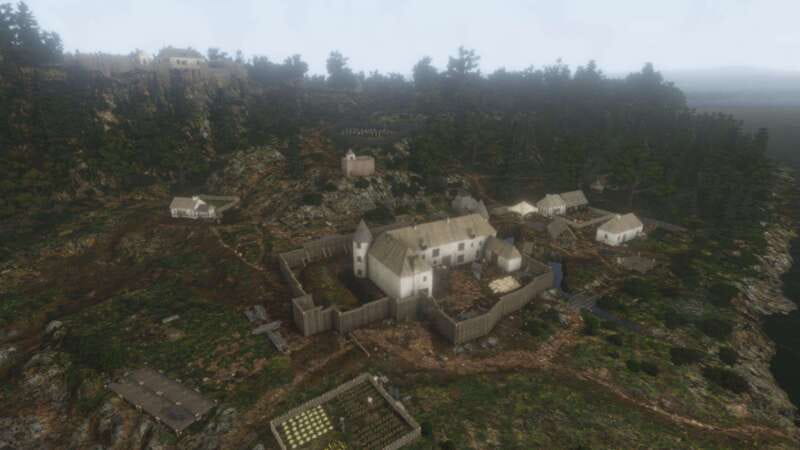
History can be hard to picture when it is presented only through dates and names. The reenacted battle scenes provide a visual explanation of what was at stake and why Quebec City’s location mattered.
This is one of the strongest reasons to choose the activity. The visual format helps connect military events with the city you can explore outside. It gives context to Quebec’s defenses and to the repeated struggle for control of the city.
I would especially consider this activity if you plan to visit the fortifications or walk through Old Quebec afterward. The VR scenes may help you notice how the city’s position influenced its history.
The presentation is not a substitute for seeing historic sites in person. It cannot give you the feel of a wall beneath your hand or the view from a real lookout. Its value is different: it shows change over time in a way that a single surviving building cannot.
Same trip, a completely different kind of day out:
- Quebec City Walking Tour
★ 5.0 · 4,716 reviews - Quebec City: Guided Tour of Fairmont Le Château Frontenac
★ 4.7 · 3,027 reviews - Québec City: Guided Sightseeing River Cruise
★ 4.4 · 3,000 reviews - Half-Day Trip to Montmorency Falls and Ste-Anne-de-Beaupré from Quebec city
★ 4.0 · 2,718 reviews
A practical choice for a short break
At $19 per person, the price is reasonable for a 40-minute activity in the center of Quebec City. You are paying for a compact cultural presentation, a headset, the programming, and the convenience of a fixed-length indoor stop.
The value is strongest when you want a quick orientation. You do not need to give up half a day, and you can add the experience to a busy sightseeing schedule. It is also useful in bad weather, when the appeal of another outdoor walk may be fading.
The price feels less attractive if you want extensive personal guidance or a long museum visit. There is no indication of a live historian leading a detailed discussion throughout the presentation. Instruction is offered in English and French, but the main format is a recorded or programmed presentation with an audio guide.
I would compare it with the cost of other short attractions in Old Quebec, but its real value depends on your interests. History fans may want a longer, more detailed experience. Casual visitors may appreciate getting the main story without committing to a large museum.
Language choices and sound quality
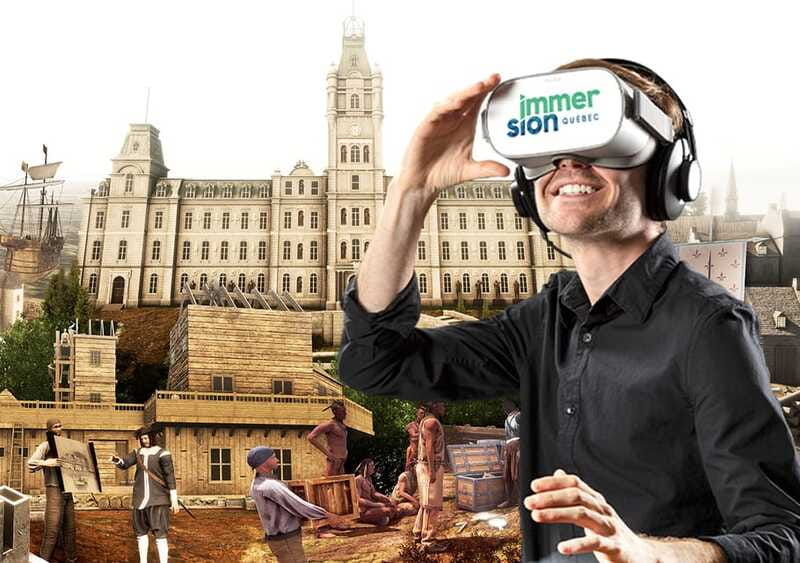
English and French are the available instruction languages. The audio guide includes English, French, Spanish, and Chinese, giving the activity broader language coverage than the basic instruction options suggest.
Check your preferred language when booking or arriving. The information confirms the available choices, but it does not identify individual guides or describe a live guide assigned to each session.
Sound quality deserves attention. One person found the background music too loud and had trouble hearing the narration. That does not mean every session will have the same problem, but it is a practical warning.
If the music competes with the spoken history, ask staff if the volume can be adjusted. The narration is the part that gives the images meaning, so clear sound matters more than dramatic background music.
How the seated format affects the experience
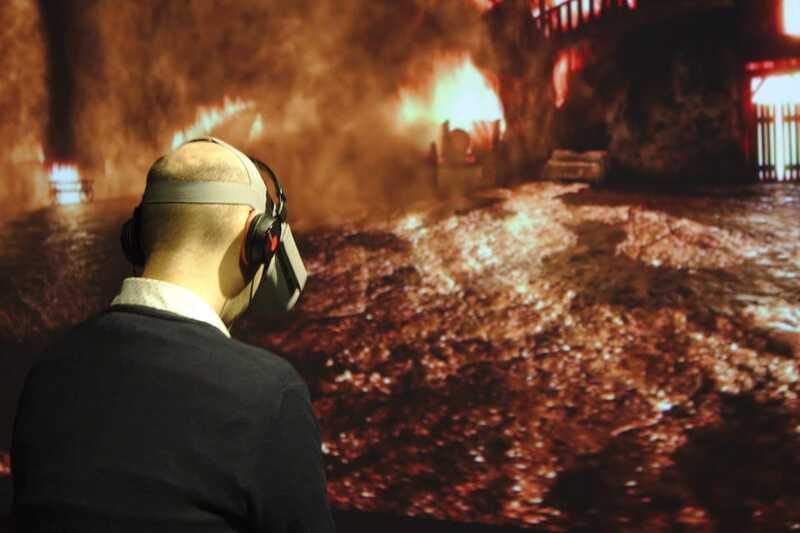
The seated setup is one of the clearest practical benefits. You do not need to walk, climb, or keep pace with a group while the story unfolds.
That makes it a sensible pick after a long day on Quebec City’s hills. It can also work for anyone who prefers a low-effort activity. The supplied details do not describe specific accessibility features, so you should contact the provider if you need information beyond the fact that the experience is seated.
The format also keeps the group feeling focused. The activity is designed for a small number of people, though an exact group size is not provided. A smaller session can make it easier to follow the narration and keep the experience from feeling like a crowded attraction.
On the other hand, sitting with a headset for 40 minutes will not suit everyone. Children or adults who prefer active exhibits may find the format passive. The visual presentation asks you to watch and listen rather than handle objects or move through several rooms.
What the technology gets right, and where it falls short
The biggest success is the sense of time passing. A conventional display might show an old map, a painting, or a paragraph about a battle. The headset can place those pieces into a moving sequence.
The 3D animation also helps bridge the gap between past and present. You can see historical events as a visual story rather than as isolated facts. That is particularly useful for people who do not already know Quebec City’s background.
The technology is not flawless. Some images may appear soft, and the quality may feel behind newer virtual reality attractions. The criticism is fair: a historical presentation depends on faces, buildings, uniforms, and landscapes being easy to recognize.
I would not book this because you want the latest headset or the most realistic digital graphics. Book it because the format offers a quick way to organize Quebec City’s story. If the history matters more to you than technical polish, the activity remains worthwhile.
Who will get the most from it
This experience fits first-time visitors who want context before exploring Old Quebec. It is also a good choice for people who like history but do not want a long walking tour.
Families may find the visual approach easier to follow than a traditional lecture, although the supplied information does not give a recommended age range. Children who enjoy animated scenes and battles may connect with it, while very young children may not have the attention span for a 40-minute seated presentation.
It suits visitors on a tight schedule, since the duration is fixed and short. You can place it between other activities without giving up a major part of the day.
It may be less satisfying for someone who wants a quiet, object-filled museum or detailed academic interpretation. It is also not the best match for someone who dislikes headsets, programmed presentations, or historical reenactments.
Timing it with the rest of Old Quebec
The activity works best near the start of your visit, when you still need a framework for the city. Once you understand the major conflicts and turning points, walking through the historic district can feel more meaningful.
You can also schedule it after sightseeing as a break. Because you stay seated, it offers a useful pause from the physical work of exploring Old Quebec.
The 40-minute duration is exact enough to plan around, but allow extra time for finding the entrance and getting settled. The attraction is in Maison Chevalier’s vaults, with the entrance on the left near the sidewalk.
Starting times vary, so check availability for the date you want. You can reserve ahead and pay later, and cancellation is free up to 24 hours before the activity for a full refund. Those terms are useful if your Quebec City plans depend on weather.
Should you book Quebec City’s History in Virtual Reality?
Book it if you want a short, seated introduction to Quebec City’s past, especially if battles and major turning points interest you. The 1752 vault setting adds character, and $19 is a fair price for a focused 40-minute presentation.
Go in with realistic expectations about the graphics. The program may not look as sharp or modern as the newest VR entertainment, and the music may occasionally overpower the narration. I would treat it as a practical history primer, not a full museum replacement.
For a first visit, the activity can give you the background needed to read the city better. Afterward, take that context into the streets, fortifications, and historic buildings. If you prefer live conversation, detailed artifacts, or a longer walking experience, spend your money elsewhere. If you want an efficient and weatherproof way to understand why Quebec City is important, this is a sensible choice.
FAQ
Where does Quebec City’s History in Virtual Reality take place?
It takes place in the vaults of Maison Chevalier, a historic building dating back to 1752. The entrance to Immersion Quebec is the door on the left near the sidewalk.
How long does the experience last?
The presentation lasts 40 minutes. You remain seated for the entire activity.
What does the activity cover?
It presents more than 400 years of Quebec City history through 10 key moments. The program uses 3D animation, images, and reenactments to explain major events, including battles for control of the city.
What languages are available?
Instruction is available in English and French. The included audio guide is available in Spanish, Chinese, English, and French.
How much does it cost?
The price is $19 per person. The fee includes the virtual reality headset.
Can I cancel my booking?
Yes. You can cancel up to 24 hours in advance for a full refund. You can also reserve your place and pay later.
Just added around Quebec City
- From Montreal: Quebec City & Montmorency Falls Full Day Trip★ 4.5 · 145 reviews
- Stoneham: Nordic spa Thermal Experience★ 4.9 · 20 reviews
- Quebec : Old Town Walking Tour With A Local Guide★ 4.5 · 38 reviews
- Quebec Interactive Street Theatre: “Crimes in New France”★ 4.6 · 175 reviews
- Quebec City: Winter Walking Tour in Old Quebec★ 4.9 · 30 reviews
- Québec: Fortifications-of-Québec Guided Walking Tour★ 4.7 · 60 reviews
- Quebec: Christmas Interactive Walking Tour of New France★ 4.3 · 7 reviews
- Québec City: Saint-Louis-Forts-and-Châteaux visit★ 4.7 · 126 reviews
Historical Tours, compared.

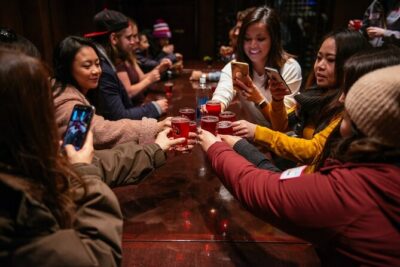

Vancouver: Gastown Historical Walking Food Tour
The full write-up →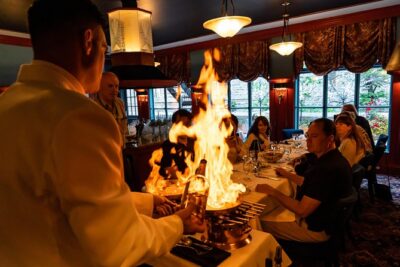
Evening Gourmet Tour 5 Course Dinner – History and Food in Old Quebec City
The full write-up →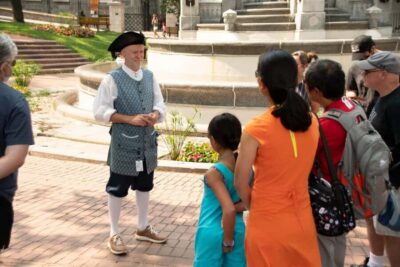
Quebec City: Old Quebec Historical Walking Tour
The full write-up →

Combo Historical and Food Tour of Old Quebec
The full write-up →Browse the lists this tour appears in