
Reviewed · TICKETS
Quebec City: Observatoire de la Capitale Entry Ticket
Quebec City makes more sense from above. At the Observatoire de la Capitale, you can pick out the old city’s tight streets, the St. Lawrence River, and distant mountain ranges in one sweep. Then interactive screens help you name what you are seeing instead of leaving you with a pretty but vague panorama.
I like the 360-degree outlook and the self-guided pace. I also like the way the Horizons trail links the view to Quebec’s identity, using short historical scenes rather than a long lecture. The main consideration is weather: clouds or poor visibility can limit the panorama, and the French-led setup may require extra attention if you do not understand French.
Key points to know before you go
- The view is from the 31st floor, with sightlines across the fortified city, St. Lawrence River, and mountain ranges.
- The Horizons trail adds context, helping you connect visible streets and buildings with Quebec’s past.
- Interactive screens identify landmarks, and some displays can mimic the view in front of you.
- The visit is self-guided, with headset and tablet-style content available according to visitor experiences.
- The $10 price is modest for a central city orientation, especially early in your visit.
- French is the listed host language, though bilingual staff and bilingual information have been reported.
What the Observatoire de la Capitale gives you from the 31st floor
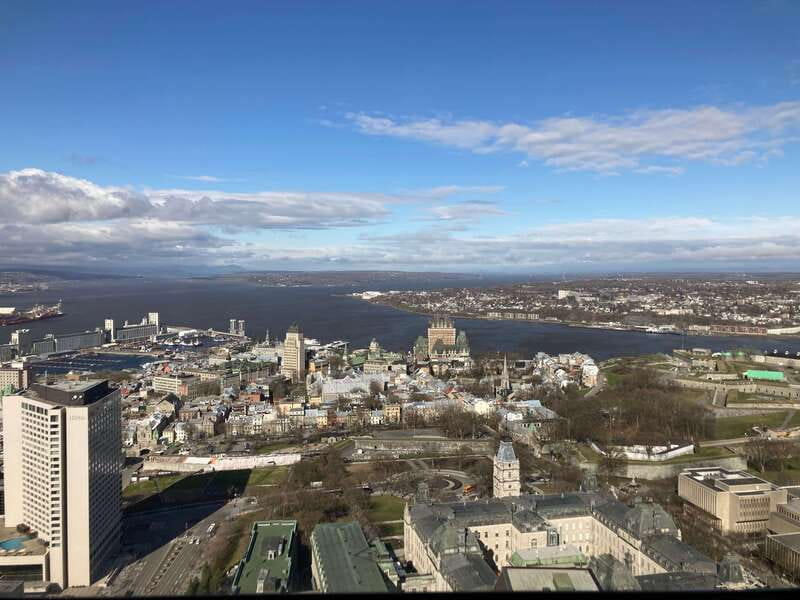
The first useful thing about this experience is its height. You are not looking across one isolated section of Quebec City. From the 31st floor, you can take in the fortified city, the winding street pattern, the St. Lawrence River, and two mountain ranges when the air is clear.
That broad view helps you get your bearings. Quebec City can feel compact when you are walking through its lanes, yet the city’s shape is easier to understand from above. You can see how the old urban core sits beside the river and how the surrounding land opens out beyond the walls.
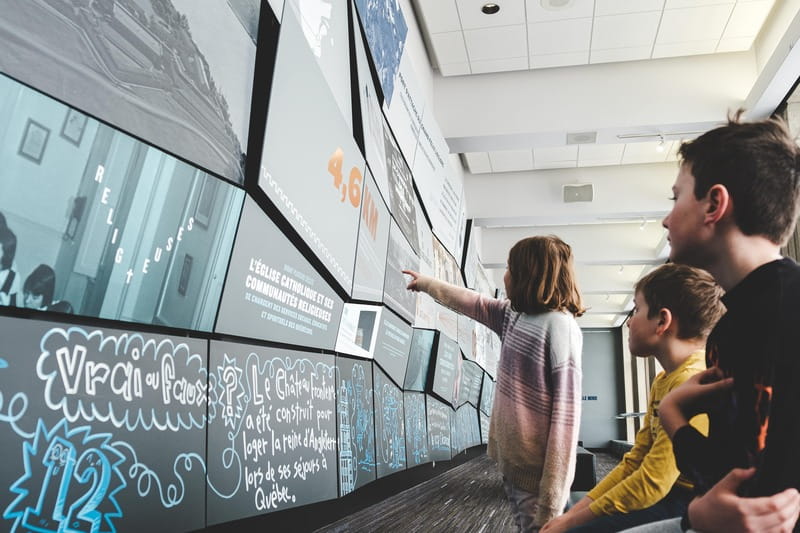
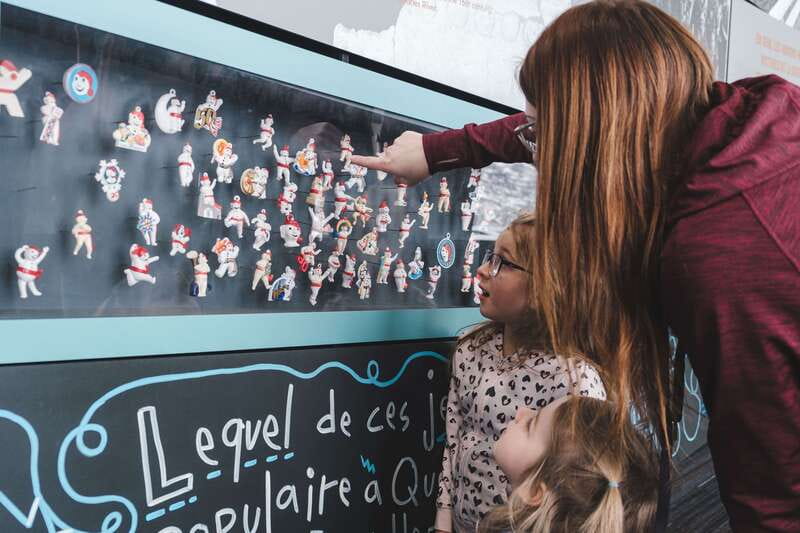
The observation area is more than a window with a view. The displays are designed to point you toward the places you are looking at. Interactive screens can reproduce the direction in front of you, allowing you to select landmarks and read or watch information about them.
I find this especially useful at the start of a Quebec City visit. After seeing the city from above, you have a better sense of what deserves your time on foot. It is also useful near the end of a visit, when you can recognize the streets and buildings you have already seen from ground level.
The facility is on the 31st floor, so allow time to reach the meeting point inside the building. The admission covers entry to the observatory. There is no separate guided walking route through Quebec City.
A few more Quebec City days worth comparing
- Quebec City Walking Tour
★ 5.0 · 4,716 reviews - Quebec City: Guided Tour of Fairmont Le Château Frontenac
★ 4.7 · 3,027 reviews - Québec City: Guided Sightseeing River Cruise
★ 4.4 · 3,000 reviews
Following the Horizons discovery trail
The Horizons trail is the educational heart of the visit. Its purpose is to move you through time and space, using the view as the starting point for a story about Quebec’s capital and the people who shaped it.
Expect a series of historical vignettes rather than one long presentation. That format suits a viewing platform because you can stop at the subjects that interest you and spend less time on sections that do not. The experience aims for a steady, easy-to-follow flow, with history connected to visible places around the city.
This matters because an observation deck can become a quick photo stop. The Horizons trail gives you a reason to look closer. A street pattern, building, or river view can lead to a short explanation of how Quebec developed and how its identity took shape.
The content is intended for both younger and older visitors. Families can move at their own pace, while adults who want more context can use the interactive elements to explore individual landmarks. The information is not limited to a single viewpoint, either. The displays connect local events with the wider story of Quebec and Canada.
You should not expect a full museum visit with extensive galleries. One visitor wanted longer films and more developed video content. That is a fair criticism if you prefer long-form interpretation. The strength here is the combination of short segments, visual prompts, and the actual city spread out below you.
Using the screens, tablets, and headset content

The technology is simple but useful. Interactive screens let you choose a landmark and bring up information about it. Some displays mimic the view you are facing, so you can match a church, street, building, or section of the river with its name.
That feature helps solve a common problem at city viewpoints: you can see plenty, but you do not know what anything is called. Here, you can move from a general view to a more precise look at the city.
The visit can include headset content, although the experience is self-guided rather than led by a named guide. You may also choose to visit without audio. The attraction works for both styles, so you are not forced to keep pace with a group or listen to every section.
The listed host language is French. At least one detailed account describes staff and written information as bilingual, while interactive screens also offered Spanish. That makes the visit easier for many international visitors, but I would still treat French as the official language for the hosted portion and check current language options when reserving.
The small-group limit is 10 people. That is a useful detail in a compact indoor attraction. A smaller group should make it easier to reach the screens and spend time with the displays, though your visit remains largely independent rather than a personal tour.
The four directions and the best time to visit

The observatory’s appeal comes from looking in several directions, not from one single postcard view. One direction gives you the fortified city and its maze of streets. Another opens toward the St. Lawrence River. On clear days, you can also see toward the Laurentian mountain range and the second mountain range mentioned in the attraction description.
The view changes with the light. A late-afternoon visit can give you daytime visibility first, followed by the city lights after sunset. During the holiday season, that timing can be particularly attractive, since you may see the city brighten as the afternoon fades.
Still, the attraction does not promise clear weather. Rain, cloud, mist, or low visibility can reduce the value of the outdoor or panoramic portion. An account from a poor-weather visit found the interior historical material worthwhile even when the view was less cooperative. That is a good reason to think of the displays as more than a backup plan.
If your schedule allows, check the forecast and choose a time with the best chance of clear conditions. If you want both daylight and evening lights, a later afternoon start may work well, but starting times depend on availability.
More Attraction Tickets in Quebec City:
- Quebec: Aquarium du Quebec Entry Ticket
★ 4.3 · 1,439 reviews - Quebec: La Citadelle de Québec Ticket and Guided Tour
★ 4.7 · 227 reviews - Canyon Sainte-Anne: Park Admission Ticket
★ 4.5 · 162 reviews - Quebec City: MNBAQ National Fine Arts Museum Entry Ticket
★ 4.6 · 63 reviews
Why the $10 admission can be good value

At $10 per person, this is one of the easier Quebec City activities to justify. You receive access to the highest city viewpoint described here, along with the Horizons interpretation and interactive landmark displays.
The value is strongest if you are new to Quebec City. A short visit can give you a mental map before you spend hours walking through Old Quebec. You can identify the river, see the city’s position, and recognize several places from above.
It is also a sensible option for a mixed-interest group. Someone who wants photographs can focus on the panorama, while someone interested in history can spend time with the screens and vignettes. Families do not need to commit to a long fixed tour, and independent visitors can move without a guide setting the pace.
The price is less compelling if you only want a quick lookout and have no interest in interpretation. The city view is the main draw, but the experience asks you to engage with the displays to get the full benefit. Film content may also feel brief to people who prefer a large museum-style presentation.
Who will enjoy this visit most

I would put the Observatoire near the beginning of a first Quebec City stay. It gives you a useful overview before you start exploring the streets, and the landmark screens can help you identify places you will later visit.
It suits families because the content is interactive and the route is flexible. Children can work with the screens while adults take in the view and read the historical material. The one-day validity also makes it easier to fit around other plans, although the exact admission time depends on availability.
It works well for visitors who prefer self-guided sightseeing. You are not tied to a guide’s speech or a fixed walking route. You can focus on the parts that interest you, pause at the panorama, and continue when ready.
It may be less satisfying for someone seeking a detailed live lecture in English or a long film program. The listed language is French, and the experience is built around short, interactive material rather than an extended talk.
The attraction is wheelchair accessible, which broadens its usefulness for visitors who need step-free access. Pets are not allowed, so plan accordingly.
Practical details before you reserve
You need a reservation. The meeting point is on the 31st floor of the building, so leave enough time to reach the correct level rather than arriving at the last moment.
The ticket is valid for one day, with starting times based on current availability. It is not described as a multi-day pass or a ticket for repeated entry.
You can cancel up to 24 hours in advance for a full refund. A reserve-now, pay-later option is also available, which helps if your Quebec City plans depend on weather or changing schedules.
The experience provider is Observatoire de la Capitale. The small-group limit is 10 participants, though the main visit is self-guided. No individual guide names are provided, and you should not expect a personal tour led by a named historian.
Plan for a visit built around viewing, screens, and historical information. The admission does not include a wider walking tour, transport around Quebec City, or any additional attraction.
Should you book the Observatoire de la Capitale?

Book it if you want a clear first look at Quebec City, enjoy interactive displays, or need a flexible activity that works for several ages. The combination of high panoramic views and landmark identification screens gives the $10 ticket real practical value.
Choose a clear day if the view is your main reason for going. For the fullest effect, consider late afternoon so you can see the city in daylight and watch the lights appear, though poor weather will reduce the panorama.
Skip it if you want a long, live, English-language history talk or an extensive film program. For most visitors, though, this is an inexpensive way to understand Quebec City before exploring it at street level.
FAQ

Where is the Observatoire de la Capitale located?
The Observatoire de la Capitale is in Quebec City, Canada. You should go to the 31st floor of the building for the meeting point and entry.
How much does entry cost?
The listed price is $10 per person.
How long is the ticket valid?
The ticket is valid for one day. Starting times depend on availability.
Is the visit guided?
The visit is self-guided. Headset content and interactive displays are available according to the experience information.
What language is used?
French is the listed language for the host or greeter. Information from the visit includes bilingual material, and interactive screens have also offered Spanish.
What can I see from the observation level?
You can see Quebec City, its maze of streets, the St. Lawrence River, and two mountain ranges. Clear weather gives you the best chance of seeing the full panorama.
What is the Horizons trail?
Horizons is a discovery trail that presents historical vignettes about Quebec City, Quebec, Canada, and the development of Quebec identity.
Is the Observatoire wheelchair accessible?
Yes. The activity is listed as wheelchair accessible.
Are pets allowed?
No. Pets are not allowed.
Can I cancel my reservation?
Yes. You can cancel up to 24 hours in advance for a full refund. A reserve-now, pay-later option is also available.
Just added around Quebec City
- From Montreal: Quebec City & Montmorency Falls Full Day Trip★ 4.5 · 145 reviews
- Stoneham: Nordic spa Thermal Experience★ 4.9 · 20 reviews
- Quebec : Old Town Walking Tour With A Local Guide★ 4.5 · 38 reviews
- Quebec City’s History in Virtual Reality★ 4.5 · 141 reviews
- Quebec Interactive Street Theatre: “Crimes in New France”★ 4.6 · 175 reviews
- Quebec City: Winter Walking Tour in Old Quebec★ 4.9 · 30 reviews
- Québec: Fortifications-of-Québec Guided Walking Tour★ 4.7 · 60 reviews
- Quebec: Christmas Interactive Walking Tour of New France★ 4.3 · 7 reviews
Tickets, compared.


Columbia Icefield Skywalk and Ice Explorer Ticket
The full write-up →
Niagara Falls, Canada: Skylon Tower Observation Deck Ticket
The full write-up →
Vancouver: Capilano Suspension Bridge Park Ticket
The full write-up →
Toronto: Ripley’s Aquarium of Canada Entry Ticket
The full write-up →
Browse the lists this tour appears in