
Reviewed · STARGAZING & DARK SKY
Jasper: Jasper Planetarium and Telescope Combo Tour Tickets
The most memorable part of this Jasper night tour may be holding a piece of Mars or the Moon before you even look through a telescope. Inside the dome, you move from First Nations constellations to the Milky Way and the edge of the universe, then head outside to one of the Rockies’ most powerful telescope setups.
I like the two-part design: the planetarium gives you a reliable show, while the outdoor session offers real planets, star clusters, and nebulas if the sky cooperates. I also like the practical aurora instruction and the two-year rain check. The catch is simple: cold, clouds, rain, or summer twilight can limit what you see through the telescopes.
Key points to know before booking
- Touch Moon, Mars, and meteorite samples: The indoor program includes genuine space rocks and a chance to handle them.
- A 90-minute astronomy lesson: You begin under the planetarium dome, then move outside for telescopes and sky science.
- Cloud cover does not cancel the evening: Screen captures from a video telescope and aurora exhibits keep the program going.
- Clear skies can reveal Saturn, Jupiter, star clusters, and nebulas: What you see depends on weather, season, and darkness.
- Book after sunset: Jasper’s summer twilight can make a later starting time a better choice for night views.
- Dress for standing outdoors: Thermal layers may be needed in winter, and even a clear evening can feel cold.
Inside the Jasper Planetarium dome
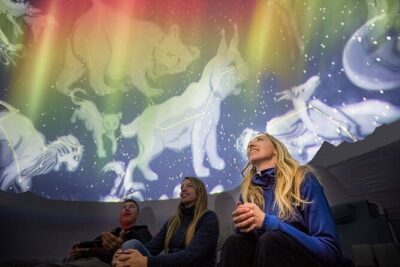
Your tour starts at the Jasper Planetarium in the Main Lodge at Jasper Park Lodge. The first section takes place in the Planetarium Dome Theatre, where the sky is presented in a way that does not depend on clouds, rain, or moonlight.
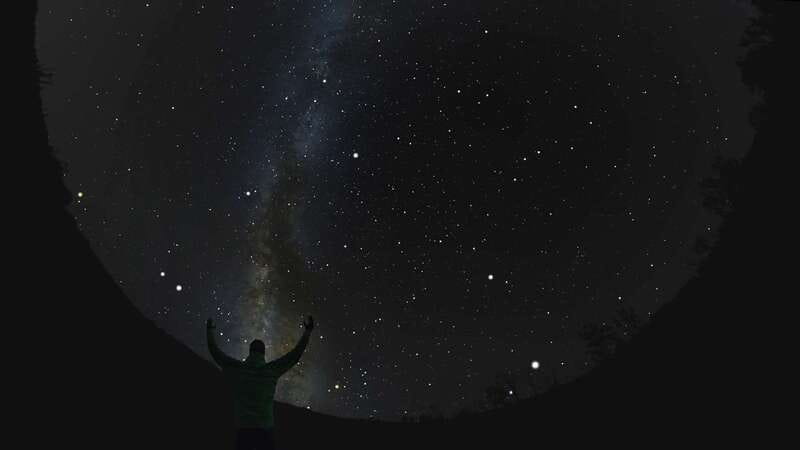
The program covers local First Nations constellations, the Milky Way, and the far edge of the universe. That sequence gives you a useful sense of scale. You begin with the sky as people in this region have understood it, then move outward toward our galaxy and distant space.
I like this opening because it gives the outdoor telescope session some context. Looking at a bright point through a telescope is more meaningful when you have first learned what kind of object it is and where it fits in the night sky.
The dome show is not perfect for everyone. One recent booking noted that music sometimes made the speaker difficult to hear. Another found the show less impressive than expected, with the outdoor section relying on tents and repeated material. If clear narration matters to you, sit where you can hear the guide well and ask questions during the live portions.
Children under four cannot enter the dome theatre. The activity is otherwise open to all ages, making it a practical choice for families with older children and for adults who want a gentle introduction to astronomy rather than a technical lecture.
More dark sky and stargazing nights in Jasper:
- Planetarium and Telescope Combo Tour
★ 4.0 · 144 reviews - Jasper: Jasper Planetarium Dark Sky Experience
★ 4.2 · 11 reviews - Jasper: Planetarium Indoor Dome Experience
★ 3.9 · 8 reviews
The outdoor telescope session at Jasper Park Lodge
After the dome presentation, the group heads outside for a guided look at the telescopes. The tour describes these as the largest and most powerful telescopes in the Rockies, including a telescope presented as North America’s most powerful.
That claim may raise expectations, so it helps to understand what the equipment can and cannot do. A powerful telescope does not guarantee a particular planet or galaxy. Clouds, haze, rain, moonlight, and the time of year all affect the view. Even on a clear night, an object may not be visible at the exact time of your tour.
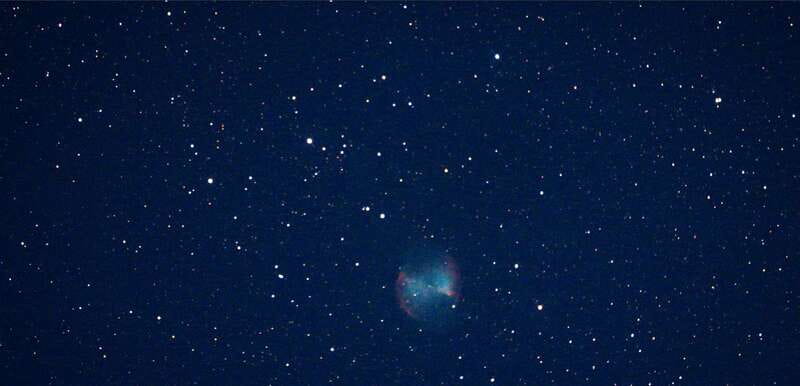
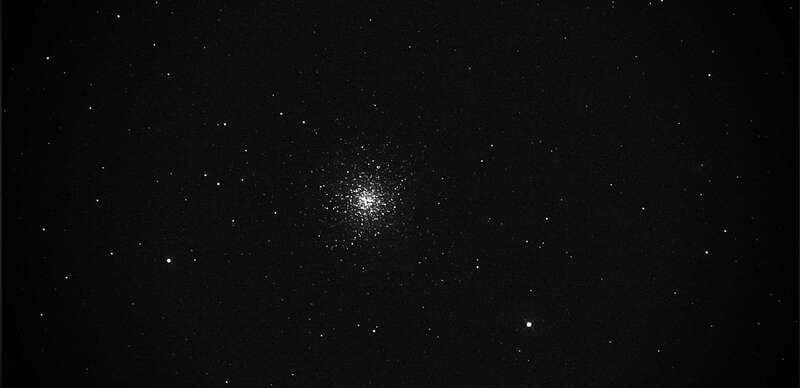
When conditions work, the payoff can be excellent. The experience has produced views of Saturn, star clusters, and other space objects. You may also see planets, nebulas, and other deep-space targets through the optical telescopes. The exact lineup changes with the sky, so I would treat the telescope portion as a chance to see what is available that night, not as a fixed promise of Jupiter or Saturn.
The outdoor section is interactive. Astronomy guides explain how the instruments work and answer questions about the objects in view. Several bookings praised the guides for their enthusiasm, patience, and clear answers. That human element matters here because a telescope can otherwise become a long wait followed by a quick look at a small, bright object.
You may need to stand outside while the group rotates through the viewing area. In February, one person found the telescope segment cold, and winter temperatures can make that discomfort worse. Wear a proper coat, warm shoes, gloves, and thermal layers if needed. The advice to dress for the weather is not a formality in Jasper.
What happens when clouds block the stars
The Canadian Rockies have changeable weather, and this tour plans for that problem. If clouds prevent live telescope viewing, the evening does not simply end. The cloudy-day program uses two pavilions to explain the science of the aurora and gives you a chance to touch real Moon and Mars rocks.
You can also handle meteorites from space. This is one of the strongest features for children and for anyone who likes physical evidence more than a screen presentation. A meteorite is a direct object from beyond Earth, and the Moon and Mars samples add a sense of connection that a standard planetarium show cannot provide.
If the sky remains too cloudy, the guides show 4K screen captures of deep-space objects recorded with their own video telescope. These are described as live-style instant replays, so you still get to see what the telescope can reveal on a clearer night.
The backup program has limits. It is not the same as looking through an optical telescope and seeing a planet with your own eyes. One person found that a rainy evening made the telescope portion disappointing, while another felt the cloudy program repeated information from the planetarium. Still, the added exhibits and screen views make the weather policy much fairer than a simple cancellation.
The telescope portion also comes with a two-year rain check. If cloudy conditions spoil your live view, you can return and attend the telescope tour again at no additional charge during that period. This is useful only if you expect to be back in Jasper, but it gives repeat visitors a real second chance.
Aurora science and photography advice
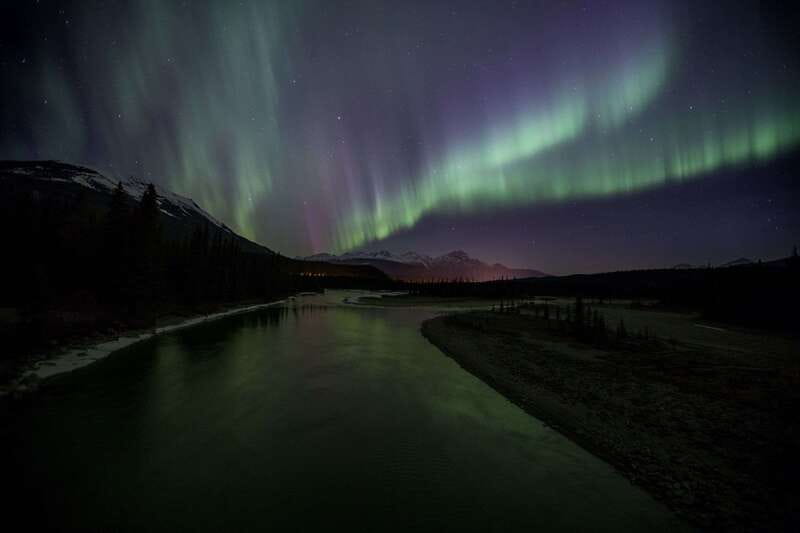
The aurora section explains the science behind the Northern Lights and includes advice on photographing them. That is valuable even if the Northern Lights do not appear during your tour.
You learn what causes the aurora and how to think about camera settings and conditions. The available information does not promise that an aurora will be visible on your date, so keep expectations sensible. This is an educational part of the program, not an aurora chase.
I like that the topic fits the setting. Jasper is known for dark skies, and the night sky is more than a collection of bright stars. The aurora adds a local, seasonal reason to look up, while the telescope portion takes you toward planets and distant objects.
If you hope to photograph the sky, bring only equipment allowed by the tour rules. Flash photography and photography inside are not permitted, and audio recording is also prohibited. Ask the guide what is suitable outdoors rather than assuming every camera setup is acceptable.
A few more Jasper days worth comparing
- Jasper: Columbia Icefield Skywalk and Ice Explorer Ticket
★ 4.6 · 2,444 reviews - Columbia Icefield Tour with Glacier Skywalk
★ 4.5 · 1,860 reviews - Jasper: Columbia Icefield Skywalk
★ 4.3 · 916 reviews - Jasper National Park: Maligne Lake Cruise With Guide
★ 4.7 · 896 reviews
Choosing the right start time
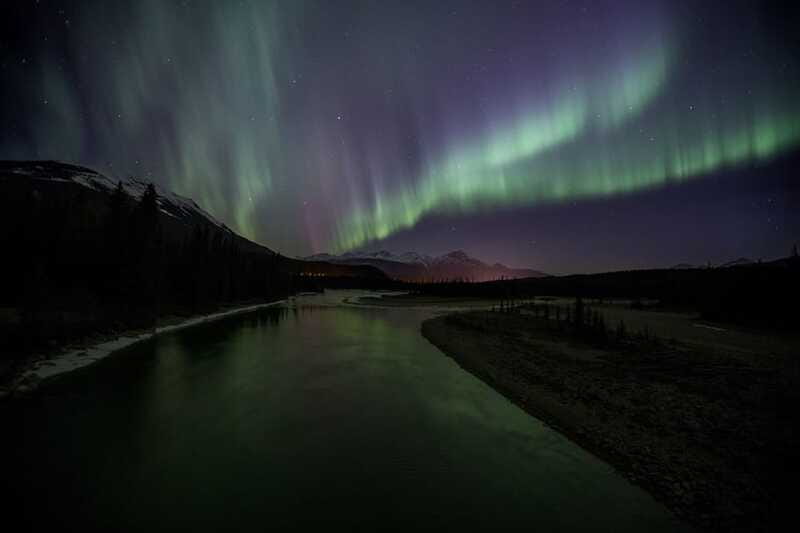
The booking time matters more than it might seem. Jasper’s sunset changes greatly through the year, and a start time before full darkness may offer limited star views, especially in June.
The tour specifically advises choosing a time after sunset for the best chance of seeing night objects. This is especially important in late spring and summer, when the sky can remain bright long after the posted sunset. You may still enjoy the dome show and science displays, but the telescope portion needs darkness for its best effect.
In autumn and winter, darkness arrives earlier, but cold becomes the bigger concern. Spring and summer can be more comfortable outdoors, yet clouds and lingering daylight may reduce the telescope experience. There is no perfect season for every part of the tour.
Before booking, check the sunset time for your exact date and choose a departure afterward when possible. This small bit of planning may matter more than the price difference between tours.
Price, value, and the 90-minute format
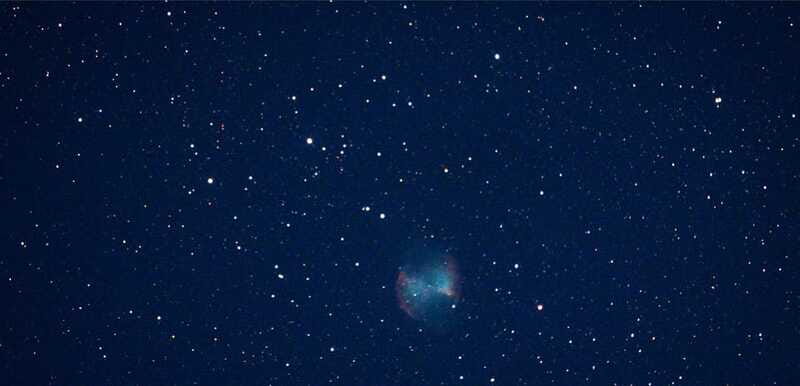
The price is $61 per person for 90 minutes. That is not a bargain basement activity, but it includes the planetarium, outdoor telescope access, guides, question time, the cloudy-day program, and free parking.
The value depends on what you want from the night. If you need guaranteed, uninterrupted views of planets, this is a risky purchase because weather controls the outdoor result. If you value a structured astronomy lesson, hands-on space rocks, and a chance to use major telescopes, the package offers more than a basic stargazing stop.
The two-year rain check improves the deal for anyone staying in Jasper or returning to the area. It does not erase the inconvenience of a cloudy evening, but it means poor conditions do not have to be your only telescope experience.
Food and drinks are not included. Since the activity lasts 90 minutes, that is easy to manage, but you should eat beforehand or plan another stop afterward. The tour does not provide a meal break.
The strongest value comes from the guides. A telescope can be impressive equipment, but the person explaining Saturn, the aurora, or a meteorite determines how much you take away. The available feedback repeatedly praises the staff’s enthusiasm and ability to answer questions, while the physical setup receives more mixed reactions.
Getting to the Main Lodge and checking in
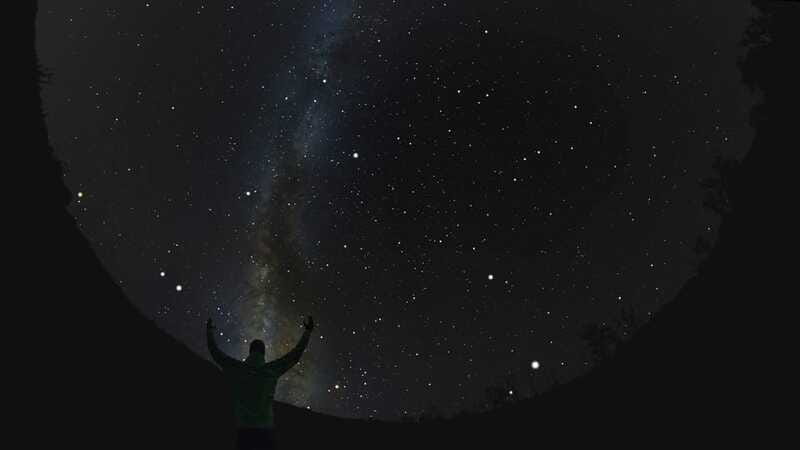
You check in at the Planetarium Retail Desk inside the Main Lodge at Jasper Park Lodge. Once inside, walk past the front desk toward the southwest corner of the lobby. The desk is across from the Emerald Lounge.
A second arrival instruction points you to the doors opposite the P1 parking lot, marked Shops and Spa. From there, the desk should be directly ahead. The property has several parking areas, and P2 is closest to the planetarium. P2, P3, and P4 are available for people who drive to the lodge.
Arrive 15 minutes before departure. This is important, not optional. Late arrivals are not admitted because they disrupt the tour, and you may be moved to the next available departure, possibly on another day.
The tour is wheelchair accessible. English is the stated tour language. Smoking, vaping, alcohol, drugs, and intoxication are not allowed. Unaccompanied minors are not permitted, so children need to attend with an adult.
You can cancel for a full refund up to 24 hours before the tour. Within 24 hours, a refund is not provided, although you may change to another time. That policy matters in Jasper, where a sudden weather change can tempt you to wait until the last moment.
How the experience compares with a standard planetarium show
A regular planetarium visit gives you a controlled indoor program. This activity adds outdoor instruments, live questions, weather risk, and physical space samples.
That combination is its main strength. You can learn about the universe in the dome, then test that information outdoors by looking at actual celestial objects. On a cloudy night, the balance shifts toward education and displays rather than direct observing.
The program also gives you two different kinds of astronomy. The dome deals with stories, scale, and the night sky as a whole. The telescope section is more immediate and physical. You may wait for a turn, look through an eyepiece, and see a planet or cluster that is suddenly no longer just an image in a book.
The main weakness is that the two sections can overlap. If the cloudy-day telescope session uses similar explanations to the dome show, you may feel that the second half repeats itself. The tour is best for people who appreciate astronomy instruction even when the sky refuses to cooperate.
Who should book the Jasper Planetarium tour
I would recommend this for families with children over four, first-time stargazers, curious adults, and anyone who wants a guided introduction to the Jasper night sky. The meteorites and Moon and Mars samples give younger participants something concrete to remember, while the telescope views can satisfy adults looking for real observing.
It is also a good choice for people who want to learn about aurora photography without joining a separate activity. The Q and A format lets you ask about the objects being shown rather than listening to a fixed script from start to finish.
You may want to skip it if you dislike cold outdoor waiting, need a guaranteed clear-sky view, or prefer a quiet, self-guided night outdoors. It is also less appealing if you have already seen the planetarium and want only live telescope time, since clouds can turn the second part into screens and exhibits.
Book a later departure after sunset, arrive early, and dress more warmly than you think necessary. Those three choices give you the best chance of enjoying the evening.
Should you book this Jasper astronomy experience?
Book it if you want both a dependable indoor program and a real chance at telescope viewing. The guides receive the strongest praise, and the combination of First Nations sky stories, aurora science, space rocks, and telescope access gives the 90 minutes a clear purpose.
Go in knowing that weather controls the headline moment. A cloudy or wet night may leave you with the planetarium, samples, and 4K telescope images instead of Jupiter or Saturn. The two-year rain check helps, but only if you can return.
For most people, I see this as a worthwhile Jasper activity when scheduled after sunset and paired with realistic expectations. You are not buying a guaranteed cosmic show. You are buying a guided lesson, a chance to handle material from space, and the possibility of seeing the Rockies night sky through serious equipment.
FAQ
How long is the Jasper Planetarium and Telescope Combo Tour?
The experience lasts 90 minutes, or one and a half hours.
How much does the tour cost?
The listed price is $61 per person.
Where do I check in?
Check in at the Planetarium Retail Desk inside the Main Lodge at Jasper Park Lodge. The desk is in the southwest corner of the lobby, across from the Emerald Lounge.
How early should I arrive?
You must check in 15 minutes before the tour starts. Late arrivals will not be admitted and may be rebooked for the next available tour, which could be on another day.
Can children join the tour?
The activity is open to all ages except children under four. Children must not attend unaccompanied.
What happens if the weather is cloudy?
The cloudy-day program includes aurora science in two pavilions, access to real Moon and Mars rocks, meteorites, and 4K screen captures of deep-space objects recorded with the video telescope.
Is there a rain check?
Yes. The telescope tour includes a two-year rain check, allowing you to return and attend the telescope tour again at no additional charge on a clearer day.
What should I wear?
Wear clothing suited to the weather. Thermal layers may be needed during winter, since part of the tour takes place outdoors.
Is the tour wheelchair accessible?
Yes, the activity is listed as wheelchair accessible.
Just added around Jasper
- Wildfire Peak Nic★ 5.0 · 5 reviews
- Whitewater Rafting on Jasper’s Fraser River★ 5.0 · 59 reviews
- Ultimate Jasper Nature Walk★ 4.5 · 9 reviews
- Planetarium and Telescope Combo Tour★ 4.0 · 144 reviews
- Morning Jasper National Park Wildlife Tour★ 4.5 · 47 reviews
- Sunwapta Challenge Whitewater Rafting: Class III Rapids★ 5.0 · 139 reviews
- Winter Wildlife Discovery Tour★ 4.5 · 68 reviews
- Wild Current Canoe Adventure Join a small group★ 5.0 · 177 reviews
Stargazing & Dark Sky, compared.
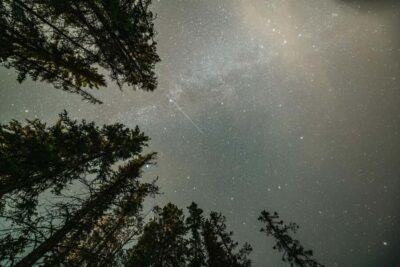
Sunset at Moraine Lake & Stargazing Tour from Canmore/Banff
The full write-up →
Banff OR Moraine Lake: Night Tour with possible Stargazing
The full write-up →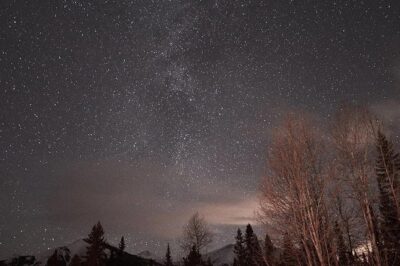
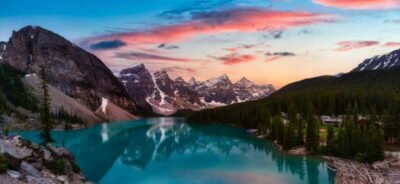
Sunrise or Sunset/Stargazing Tour at Moraine Lake from Banff
The full write-up →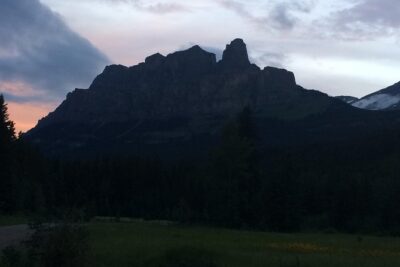
Stargazing and Nature by Nightfall Walking Tour – 2hr
The full write-up →Browse the lists this tour appears in