
Reviewed · STARGAZING & DARK SKY
Banff: Guided Sunset and Stargazing Tour
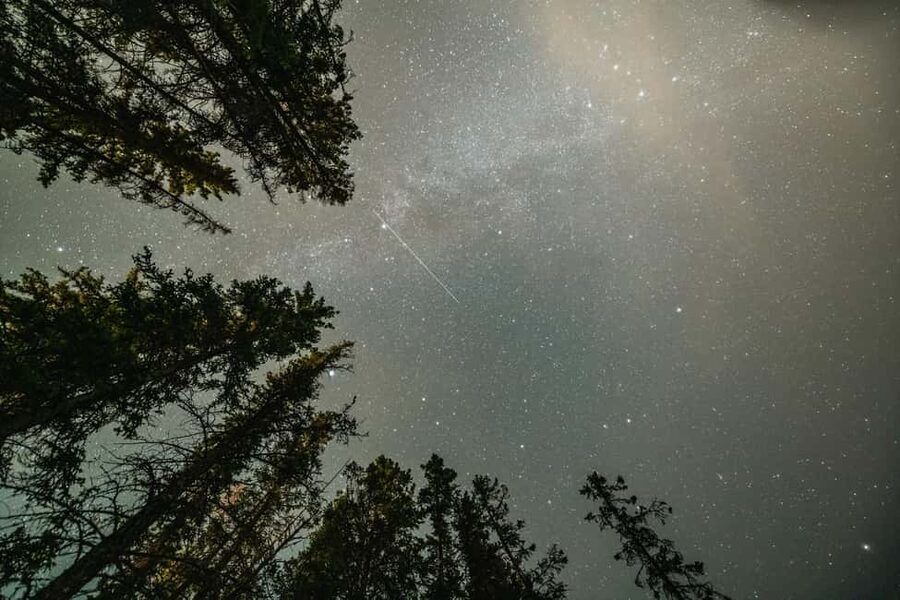
The best part of this Banff outing comes when the last blue light fades and the sky begins to fill with stars. You walk from the Cave and Basin area into the quiet night, using headlamps on the return, while guides such as Jacob, Ben, Ewan, and Kale point out constellations, satellites, shooting stars, and sometimes the Northern Lights.
I like the easy, mostly flat trail, which makes a 5-kilometre walk feel manageable for many active visitors. I also like the practical help with night photography. Guides have helped people adjust iPhone settings and camera exposure, turning a dark sky into photos worth keeping.
The main catch is that nature controls the headline attraction. Clouds, smoke, moonlight, and mosquitoes can affect what you see, and the tour is cancelled in heavy cloud cover. It is also not suitable for children under eight, pregnant women, or people with mobility concerns or certain medical conditions.
Quick take: sunset, stars, and a gentle night walk
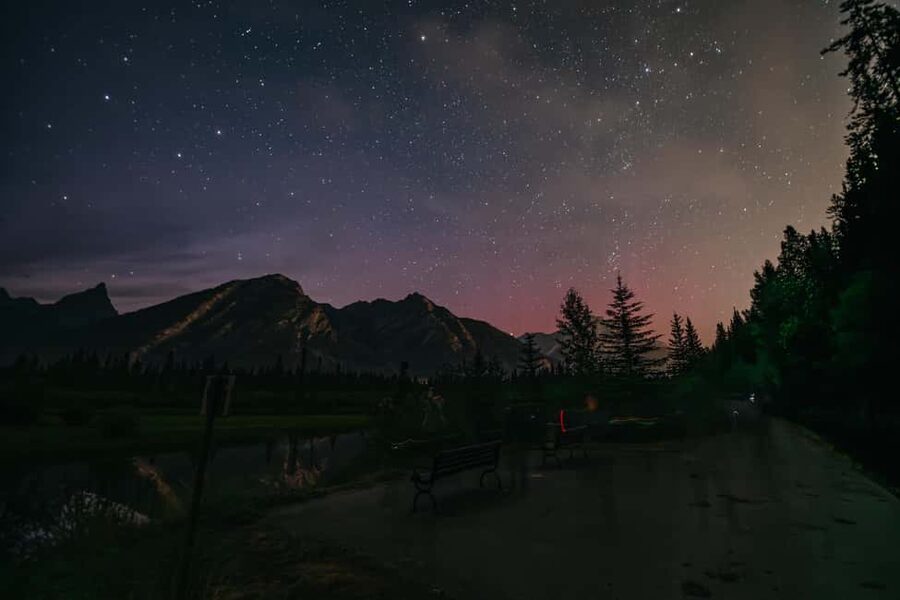
- The walk covers about 5 km, usually on paved paths, boardwalks, and dirt sections with no steep climbs reported.
- The meeting point is the Cave and Basin National Historic Site parking lot, with free parking and a Welcome Building nearby.
- Guides carry bear spray and safety equipment, and use stories, jokes, and local knowledge to keep the walk engaging.
- You may see constellations, satellites, meteors, shooting stars, or the Northern Lights, but clear skies are never promised.
- Headlamps and ice cleats are supplied when needed, while you should bring proper hiking shoes.
- The $66 price is fair if you want instruction, safety support, and a guided night walk rather than simply finding a dark viewpoint alone.
Starting at Cave and Basin after sunset
The tour begins outside the Welcome Building at the Cave and Basin National Historic Site parking lot, at 309 Cave Ave. It is a large lot with free parking, so arriving by car is straightforward. Look for the guide holding a clipboard and have your voucher ready.
The exact departure time changes with the season. You receive the updated time 12 to 24 hours before departure, and it is set around sunset. This matters in Banff, where summer evenings stay light for a long time and winter darkness arrives early.
You should not treat the meeting time as a fixed all-year schedule. Check your messages before setting out, and give yourself enough time to park and find the Welcome Building. Hotel pickup and drop-off are not included, so you need to make your own way there and back.
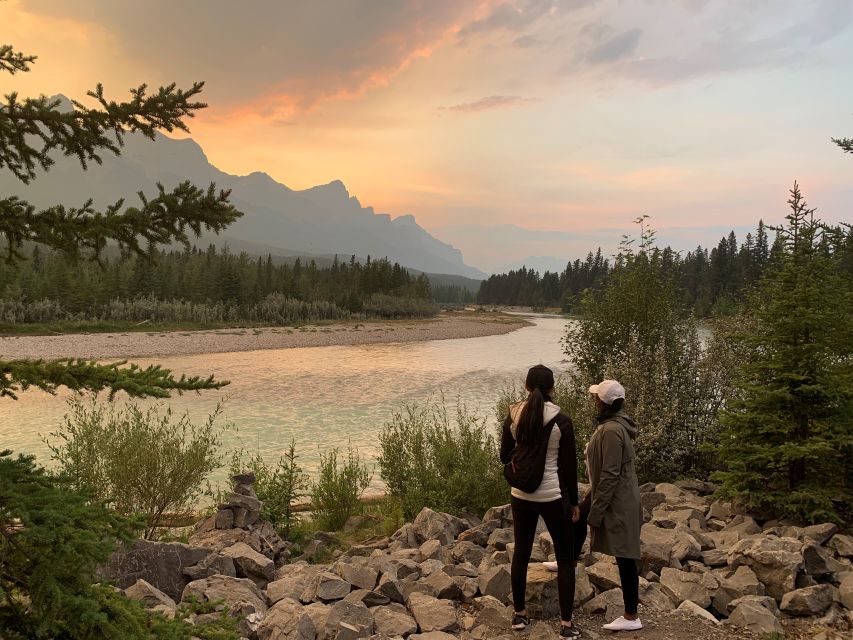
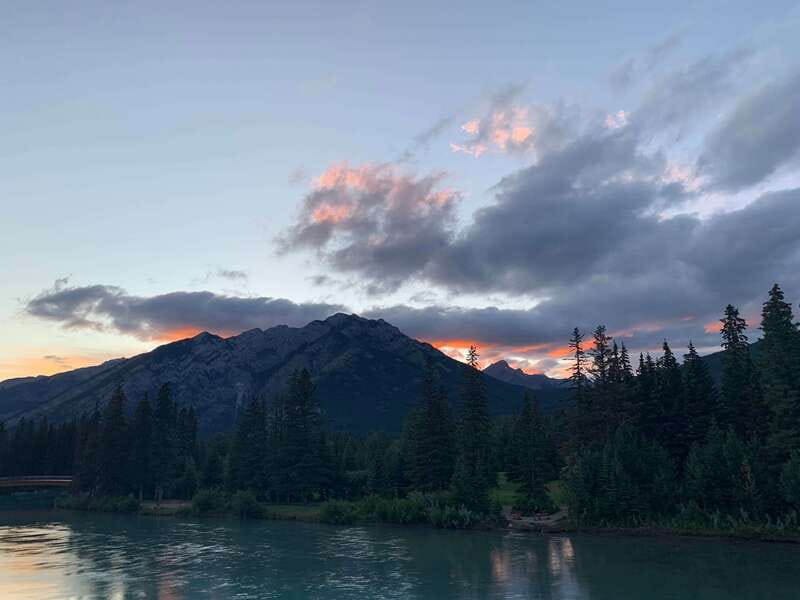
The opening part of the experience takes place in the softer light of dusk. That gives you a chance to see the mountain surroundings before darkness changes the mood. The guides use this time to introduce the area, explain what you may see after dark, and get the group moving at a comfortable pace.
More dark sky and stargazing nights in Banff:
- The Banff Stargazing Tour – 2hr Walking Tour
★ 5.0 · 189 reviews - Sunset at Moraine Lake & Stargazing Tour from Canmore/Banff
★ 5.0 · 95 reviews - Banff OR Moraine Lake: Night Tour with possible Stargazing
★ 4.6 · 83 reviews
A 5-kilometre route that feels more like a walk than a workout
This is not presented as a hard mountain hike. The route covers about 5 kilometres, or roughly 3.5 miles, and the path is mostly paved. Sections can include boardwalks and dirt trails, but several outings have been described as flat and easy, with benches at longer stops.
That makes the tour a good fit if you want time outdoors without committing to a steep climb. You still need hiking shoes, and the walk takes place at night, so balance and comfort matter more than speed. Ice cleats are provided when conditions call for them.
I would not book this simply because the route is described as easy. Five kilometres in the dark is still a real walk, and the tour is not suitable for people with mobility impairments, recent surgeries, pre-existing medical conditions, or pregnancy. The activity is listed as wheelchair accessible, but the stated restrictions and trail distance make it wise to confirm your needs with the provider before booking.
The pace appears to be one of the tour’s strengths. Guides have slowed down when someone was struggling, and the group may pause at scenic points. That creates a more relaxed evening than a rushed march from one viewing spot to another.
Watching the sky change from blue to black
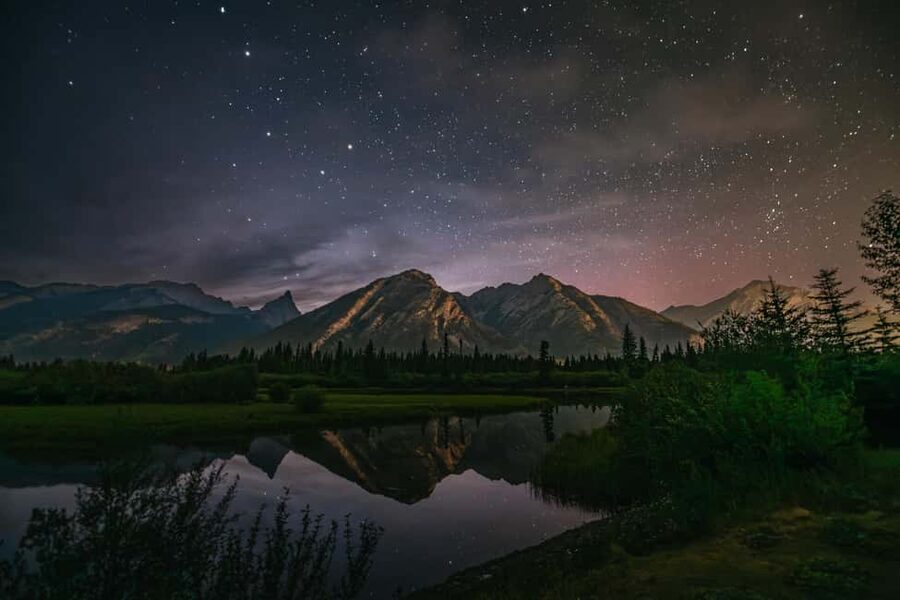
The central pleasure is gradual. You do not simply arrive at a lookout and stare upward. You watch the final daylight leave the mountains, then see the first stars appear as the sky darkens.
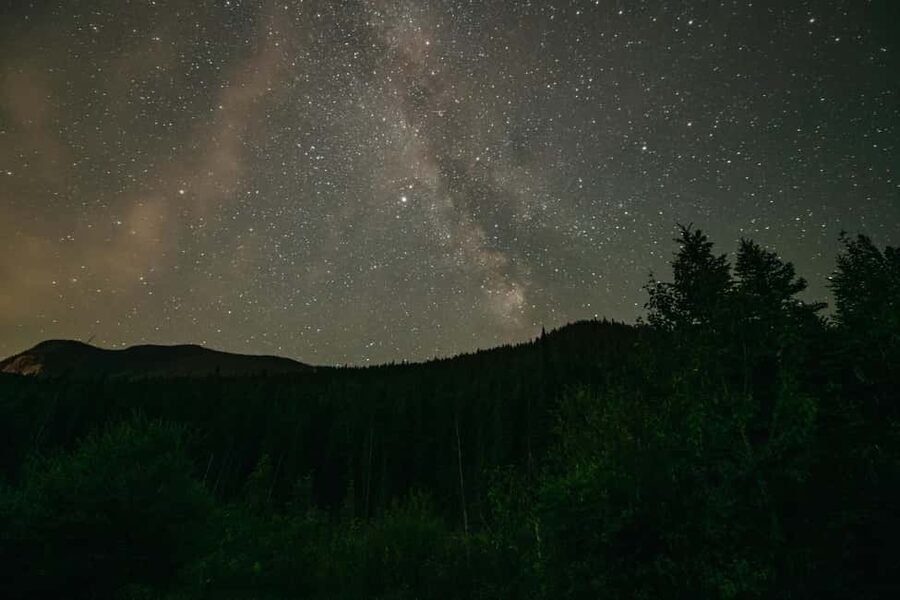
Your guide explains constellations and may add stories about their names and shapes. The exact program depends on the sky, season, and group, but past outings have included sightings of satellites, meteors, shooting stars, and even a comet. The Milky Way has also been visible on clear nights.
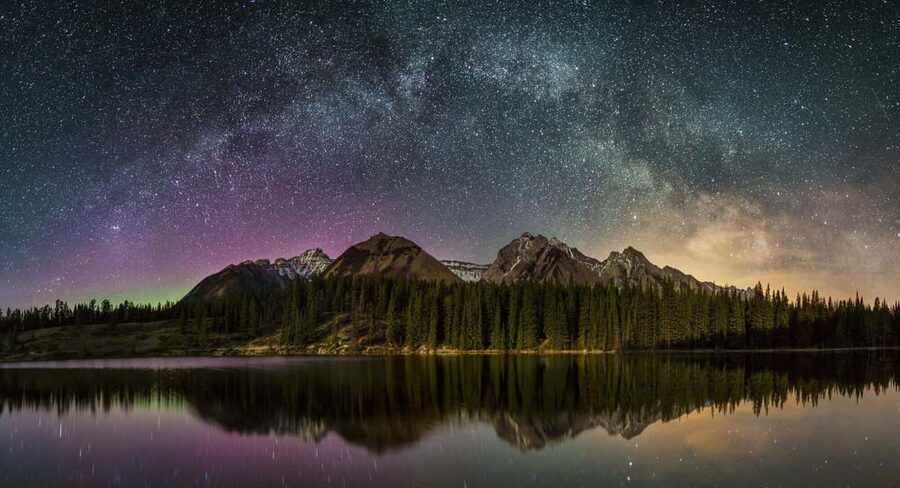
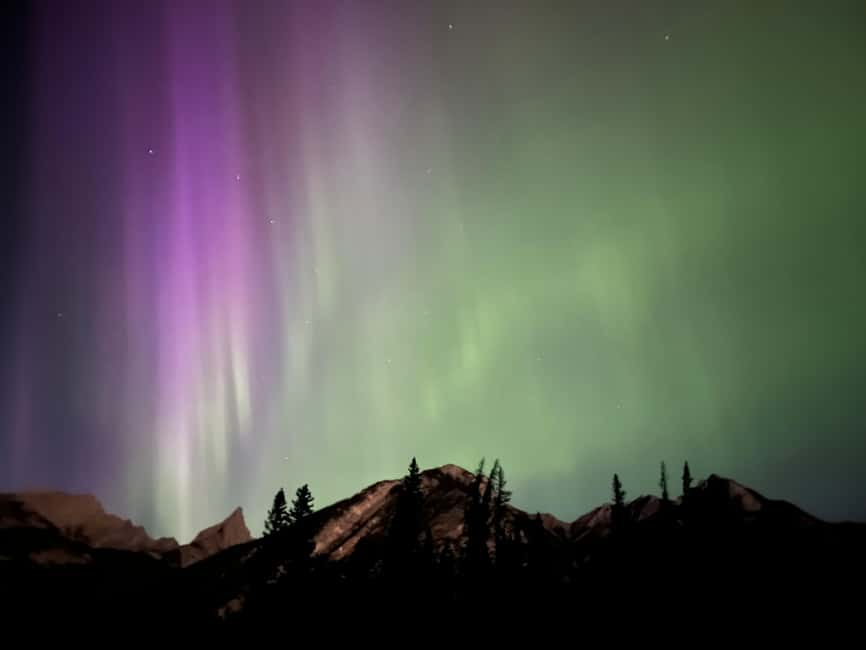
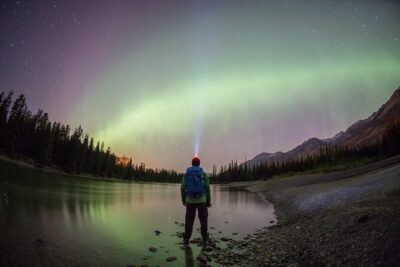
The Northern Lights are possible, especially when conditions line up, but they are not a promised part of the tour. Some outings have produced memorable aurora displays. Others have had clouds, smoke, or a bright moon that limited the view to a few constellations.
That uncertainty is important. If you need a guaranteed aurora show, no tour can honestly offer that. If you enjoy learning how to read the sky and can appreciate a good evening even when only some stars appear, this experience makes more sense.
A full or nearly full moon can be both help and hindrance. It gives you some natural light on the trail, but it washes out fainter stars. Forest-fire smoke can have a similar effect. One advantage of having a guide is that the evening remains worthwhile even when the sky is not perfect. You may still learn about the constellations, local mountains, wildlife, and camera settings.
Headlamps, wildlife, and the sound of the forest
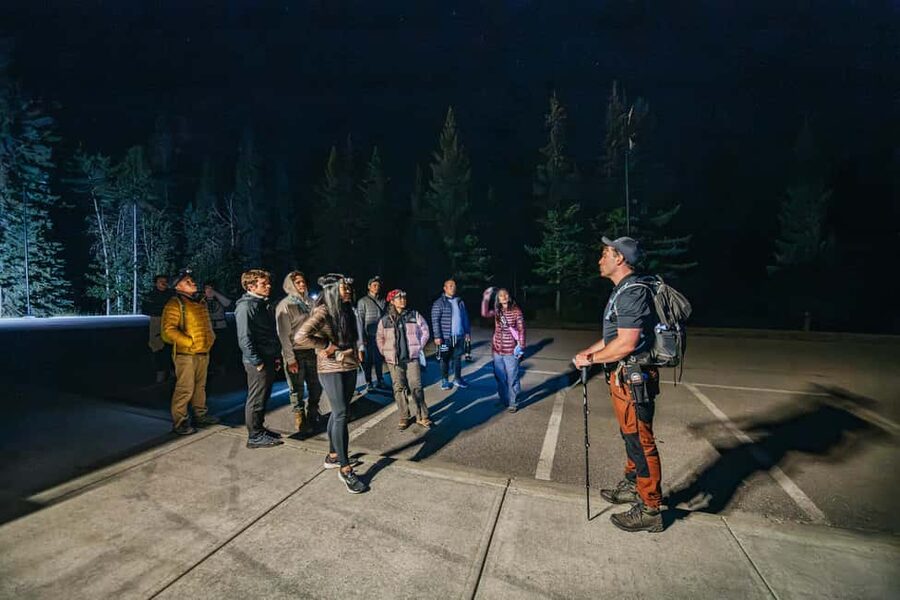
The return walk takes place in darkness, so headlamps and lanterns become part of the experience. That changes a familiar trail into something more alert and atmospheric. Your attention shifts from distant peaks to the next patch of path, the sound of the woods, and the small circle of light ahead.
The tour also gives you a chance to look for nocturnal creatures. Sightings are never guaranteed, but the natural setting can produce surprises. A coyote has been spotted on one outing, while other evenings have included talk of wildlife without a direct sighting.
Guides carry bear spray and other safety equipment. They also keep watch for animals and explain how to move through the area safely. That matters if you feel uneasy about walking in the woods after dark. You are not left to handle the setting on your own.
Still, this is a nature walk, not a controlled attraction. You may encounter insects, and mosquitoes have been a real nuisance in some summer outings, especially during the first part of the walk. Bring insect repellent, particularly in June and warmer months. Alcohol and drugs are not allowed, and pets cannot join the tour.
More things to do after dark in Banff:
- Banff: Evening Wildlife Safari Guided Tour
★ 3.9 · 465 reviews - Moraine Lake & Louise – Morning or Sunset Tour from Banff/Canmore
★ 5.0 · 194 reviews - Moraine Lake & Lake Louise Sunset & Wildlife Adventure
★ 5.0 · 97 reviews - Johnston Canyon Evening Icewalk
★ 5.0 · 94 reviews
Guides who make the two hours work
The guide shapes this experience more than any single viewpoint. The strongest outings have featured guides including Jacob, Ben, Ewan, Kale, Isla, Yuin, and others who combine astronomy with local stories and humor.
Jacob has been praised for answering questions, helping people feel safe, and sharing stories about the night sky. Ben has helped visitors use iPhone night mode and take long-exposure photos. Ewan has assisted with camera settings while explaining constellations and the surrounding area.
Kale has led small groups with a personal touch, and Isla has been described as warm and attentive. The names matter because the tour depends on live explanation rather than an audio recording. A good guide keeps talking during darker stretches, checks on the group, and adjusts the pace when needed.
The style is informal. You may hear jokes about bears, bits of Banff history, and stories connected to the mountains. That mix keeps the two-hour outing from becoming a dry astronomy lesson.
English is the tour language. If you want detailed information about stars, local wildlife, safety, and photography, the guide-led format is a clear advantage over walking the trail alone.
Getting useful night photos with a phone
You do not need specialist equipment to get something from the sky. Guides have helped people adjust iPhone night mode and other camera settings, and several outings produced good mountain and star photos with ordinary phones.
Expect a learning curve. Night photography requires holding the phone steady and allowing more light into the image. The guide may show you how to make the most of your device, but this is not a dedicated photography workshop.
Bring your phone fully charged. A camera tripod is not listed as included, so do not count on one being supplied. If you use a separate camera, bring the equipment you already know how to operate.
The best photo opportunities can come before full darkness, when the remaining blue light outlines the mountains and reflects in water. Later, the stars take over. On especially clear nights, you may capture the Milky Way or faint Northern Lights that are hard to see with the naked eye.
Cloud and smoke can limit photos even when the walk remains enjoyable. A bright moon can also make the sky look less dramatic in pictures. Set your expectations around learning and trying, not producing professional images.
What $66 buys you
At $66 per person, this is a reasonable price for a two-hour guided night outing in Banff. You are paying for a professional English-speaking guide, trail support, headlamps, and ice cleats when required.
The value is strongest if you would not feel comfortable walking the trails after dark alone. You also gain help finding constellations and using a phone camera, plus basic wildlife safety support. Those are useful extras that are hard to replicate by simply driving to a viewpoint.
Food and drinks are not included, and there is no hotel transportation. Plan for your own meal before or after the tour and arrange your own return to Banff or your accommodation. Some guides have offered an informal lift back to a lodge, but that is not part of the stated service, so you should not rely on it.
The price is less compelling if you only want a quick look at the stars and already know the area well. You can also have an ordinary sky on a cloudy or smoky night. The cancellation policy helps reduce that risk: heavy cloud cover can lead to cancellation, with notice generally sent 12 to 24 hours before departure and a refund issued.
You can also cancel up to 24 hours before departure for a full refund. The reserve-now-and-pay-later option is useful if your plans are still moving.
The weather decision you should understand
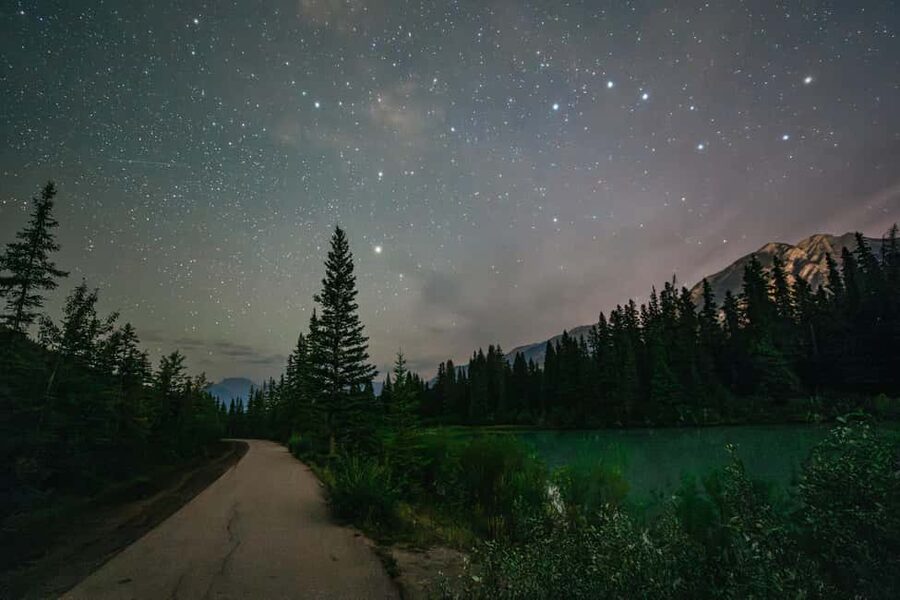
The operator does not run the tour in heavy cloud cover. If conditions are poor, you should be contacted 12 to 24 hours before departure. This is a sensible rule for a stargazing activity, since thick cloud would remove its main purpose.
Light cloud is different. Some outings have continued with patches of cloud, and guides have still found constellations to point out. One group waited for the sky to clear and eventually saw stars late in the evening. That kind of patience can pay off, but you should be ready for the possibility that your view remains limited.
The tour runs year-round. Winter brings early darkness and can offer crisp views, but you need warm clothing and sound footwear. Summer gives you a longer twilight period and easier walking conditions, but mosquitoes may be active. Spring and autumn can offer a useful middle ground, though conditions change quickly in the mountains.
Bring layers even if the afternoon feels mild. Once the sun is gone, you will be standing or walking in cooler air for two hours. Hiking shoes are specifically recommended.
Who should book this night tour?
I would choose this experience if you want a gentle outdoor activity with a strong guide element. It suits couples, solo visitors, and small groups who want to see Banff from a quieter angle after the day’s main sights are over.
It is also a good choice for anyone curious about astronomy but unsure how to begin. You do not need to know the names of stars before arriving. The guide gives you a starting point and helps you notice details you might miss alone.
Solo visitors can benefit from the group setting, especially because the dark trail may feel intimidating alone. Small groups can make the evening feel more personal, while larger groups may be less intimate but still work well if the guide keeps everyone together.
I would skip it if you dislike walking at night, cannot manage 5 kilometres, or need a guaranteed Northern Lights display. Families with children under eight cannot book, and anyone with medical or mobility concerns should take the stated restrictions seriously.
Should you book the Banff Sunset and Stargazing Tour?
Book it if you want a guided night walk, practical astronomy tips, and a chance to see Banff after sunset without handling wildlife safety or route-finding yourself. The mostly flat trail, supplied headlamps, and strong guide presence make it more approachable than an independent night hike.
Go in with realistic expectations. You may see the Milky Way, a meteor, or the Northern Lights, but you may also get clouds, smoke, or moonlight. The best reason to book is not a guaranteed spectacle. It is the chance to walk safely into the dark, learn what is above you, and let the evening reveal what it can.
FAQ
Where does the Banff stargazing tour meet?
Meet outside the Welcome Building at the Cave and Basin National Historic Site parking lot at 309 Cave Ave. The parking lot is large and free. Your guide will be holding a clipboard, and you should show your voucher.
How long is the tour?
The tour lasts two hours and covers about 5 kilometres, or 3.5 miles. It returns to the same meeting location.
What time does the tour start?
The departure time changes by season and is set around sunset. You will receive the updated departure time 12 to 24 hours before the tour.
Are the Northern Lights guaranteed?
No. The Northern Lights are possible, but sightings depend on conditions. Clouds, smoke, and a bright moon can also reduce visibility of stars.
What equipment is included?
A professional guide, headlamps, and ice cleats when required are included. Bring hiking shoes. Food and drinks are not included.
Can I cancel the booking?
Yes. You can cancel up to 24 hours before departure for a full refund. If heavy cloud cover prevents the tour from operating, the guide will contact you 12 to 24 hours before departure and refunds will be issued.
Just added around Banff
- Jasper to Banff One-Way Tour★ 5.0 · 76 reviews
- Jasper to Lake Louise One-Way Tour★ 5.0 · 19 reviews
- Sunset at Moraine Lake & Stargazing Tour from Canmore/Banff★ 5.0 · 95 reviews
- 2 Day Banff Lake Louise Johnston Canyon Gondola Cave Basin tour★ 4.5 · 8 reviews
- Experience Golden Hour at Moraine and Lake Louise★ 5.0 · 18 reviews
- Sunrise Adventure: Alpenglow at Moraine Lake & Lake Louise★ 5.0 · 20 reviews
- Private Guided Tour to Banff Lake Louise|Moraine|Icefields &More!★ 5.0 · 5 reviews
- Moraine Lake & Louise – Morning or Sunset Tour from Banff/Canmore★ 5.0 · 194 reviews
Stargazing & Dark Sky, compared.
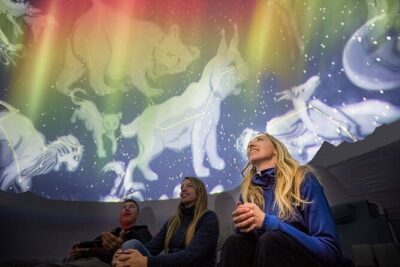
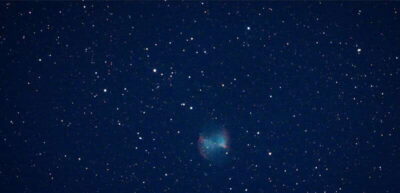
Jasper Planetarium and Telescope Combo Tour Tickets
The full write-up →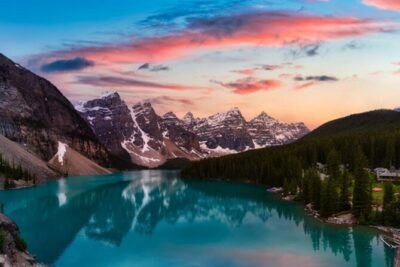
Sunset at Moraine Lake & Stargazing Tour from Canmore/Banff
The full write-up →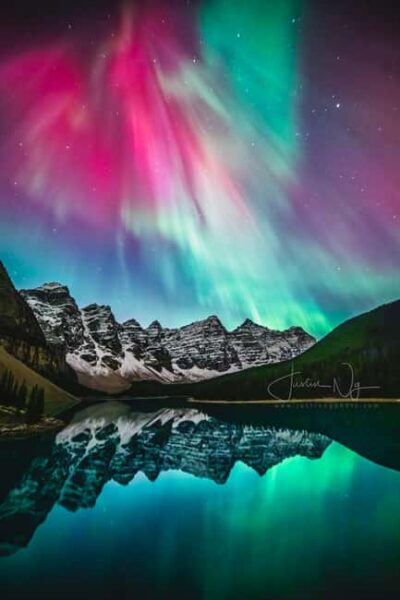
Banff OR Moraine Lake: Night Tour with possible Stargazing
The full write-up →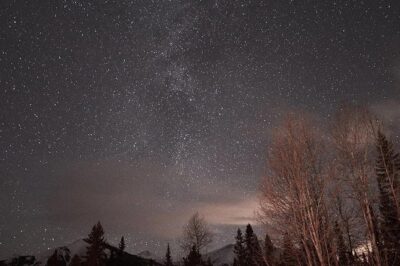
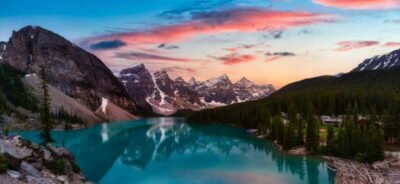
Sunrise or Sunset/Stargazing Tour at Moraine Lake from Banff
The full write-up →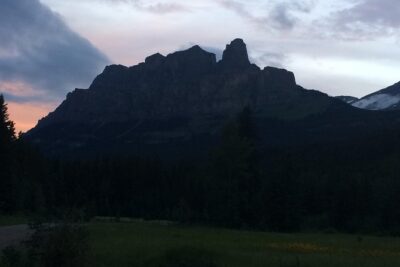
Stargazing and Nature by Nightfall Walking Tour – 2hr
The full write-up →Browse the lists this tour appears in