
Reviewed · STARGAZING & DARK SKY
Jasper: Planetarium Indoor Dome Experience
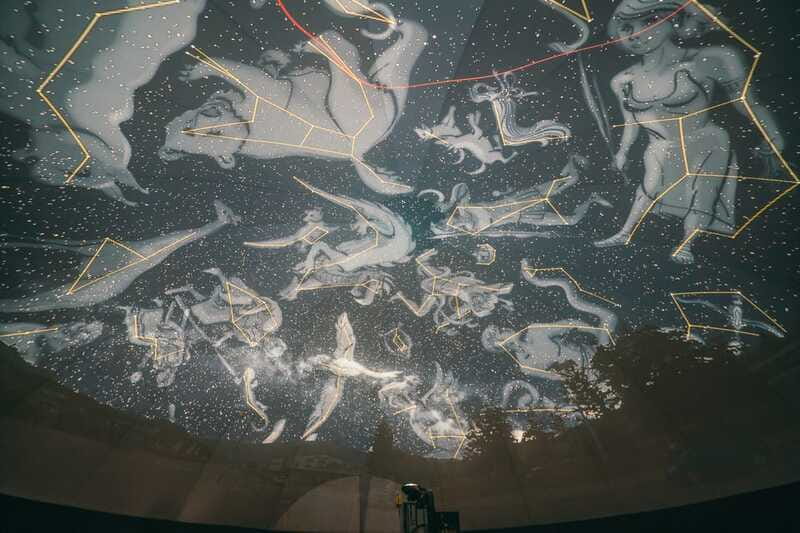
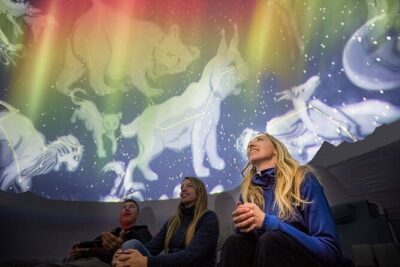
Jasper’s planetarium turns a cloudy or daylight-bound evening into a trip across the cosmos. From a comfortable dome at Fairmont Jasper Park Lodge, you’ll see the Northern Lights over Jasper National Park, local Indigenous constellations, distant nebulae, and Rocky Mountain glaciers from space.
I like the mix of local and cosmic subjects, and I like the live question period after the show. The main caution is value: at $34, this works best if you want a guided astronomy experience, not just a short film. One poor rating called it too childlike, while another visitor found the visuals and narrator excellent.
Key points at a glance
- A 42-seat indoor dome: You get a climate-controlled seat for a 35-minute journey through Jasper’s sky.
- Local astronomy matters: The program includes Indigenous constellations, not just planets and distant galaxies.
- A useful bad-weather option: The show gives you a night-sky experience even when clouds, daylight, or poor conditions spoil outdoor stargazing.
- A live guide leads the program: You can ask questions after the presentation instead of leaving with a recorded narration only.
- Arrive 15 minutes early: Check in at the Planetarium Retail Desk inside the Main Lodge, and allow time to find parking.
- The price depends on your interests: $34 is reasonable for a polished, guided indoor experience, but it may feel high if you expect a long observatory visit.
From Jasper Park Lodge to the edge of space
Your visit begins inside the Main Lodge at Fairmont Jasper Park Lodge. Walk past the front desk and find the Planetarium Retail Desk in the southwest corner of the lobby, directly across from the Emerald Lounge.
This is not a large attraction with several rooms and hours of exhibits. The heart of the experience is a 42-seat dome theatre a short walk from the check-in desk. The compact format matters. You are not committing half a day to astronomy. You are setting aside 35 minutes for a focused presentation.
Once inside, you’ll settle into a climate-controlled theatre. That makes the planetarium useful in Jasper, where outdoor conditions can change quickly. A clear night is wonderful for real stargazing, but clouds, rain, cold, smoke, or summer daylight can make the sky hard to read. The dome gives you a dependable alternative.
The setting also gives the program a strong sense of place. Jasper is promoted as the world’s largest accessible Dark Sky Preserve, and the show uses that local identity as its starting point. You are not watching an astronomy presentation that could take place anywhere. The program links Jasper’s own skies and mountain surroundings with the much larger universe beyond them.
More dark sky and stargazing nights in Jasper:
- Planetarium and Telescope Combo Tour
★ 4.0 · 144 reviews - Jasper: Jasper Planetarium and Telescope Combo Tour Tickets
★ 3.8 · 118 reviews - Jasper: Jasper Planetarium Dark Sky Experience
★ 4.2 · 11 reviews
The opening journey: Indigenous constellations and Jasper’s night sky
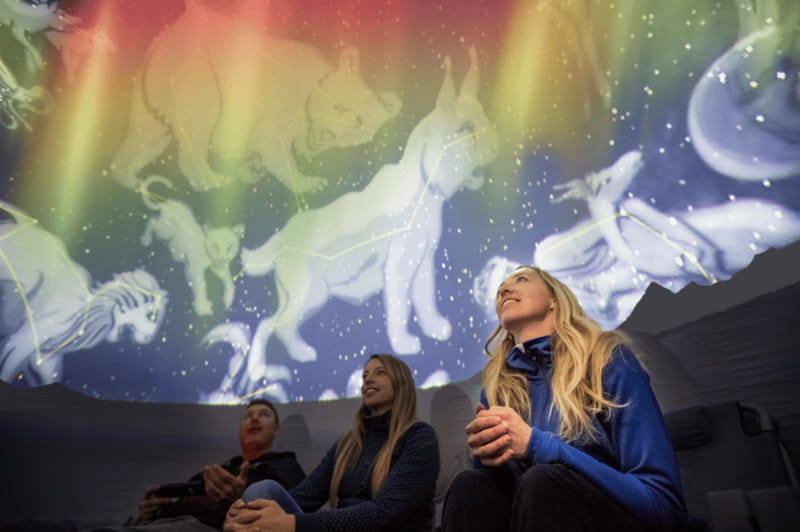
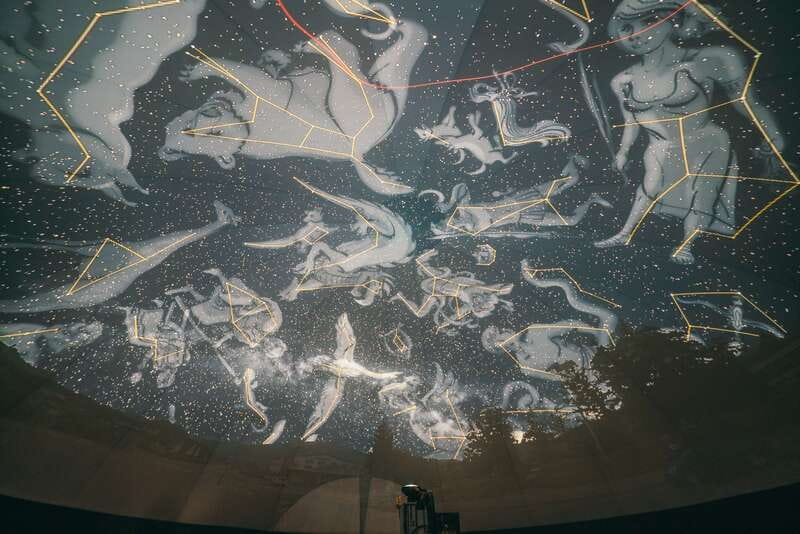
The program includes local Indigenous constellations, an important part of the presentation. This helps widen the idea of astronomy beyond a list of planets, star clusters, and scientific measurements.
You’ll see how the night sky can be understood through cultural knowledge as well as modern astronomy. The supplied information does not identify the specific Indigenous nations, constellations, or stories included, so you should not expect a detailed cultural lecture based on the booking description alone. Still, this portion gives the show a local connection that many standard planetarium programs lack.
The presentation then moves toward Jasper’s familiar night sky. You’ll see the Aurora Borealis above mountain peaks, an appealing way to connect one of the region’s most famous natural sights with the science behind it.
Keep your expectations sensible. A projected aurora is not the same as standing outdoors beneath real northern lights. You will not feel the cold air, see the mountains around you, or watch the colors change naturally overhead. What the dome can do is show the aurora in a controlled setting and place it within a larger explanation of the sky.
That distinction is important when you decide if the ticket suits you. If you are hoping for a guaranteed real Aurora Borealis sighting, this is not that. If you want to understand Jasper’s sky and have an indoor visual experience after sunset or during poor weather, it makes more sense.
From Rocky Mountain glaciers to planets and nebulae
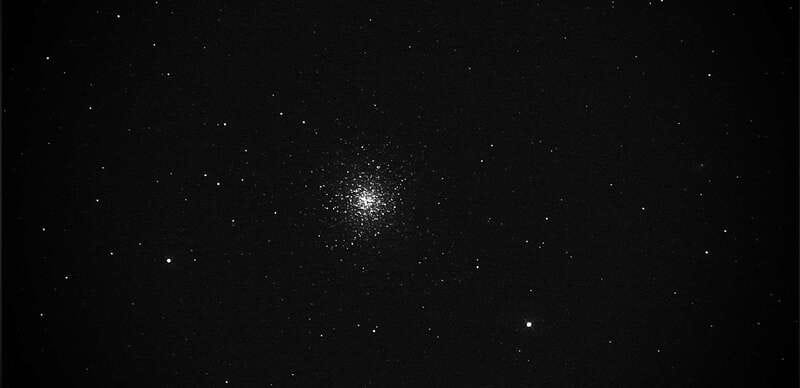
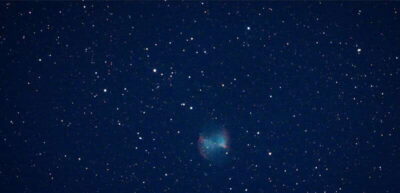
The program widens its view after the local section. You’ll travel from Jasper’s mountains to views of Rocky Mountain glaciers from space, then onward to planets, nebulae, and faraway star clusters.
I like this progression because it gives you a clear sense of scale. You begin with something tied to the place you are visiting. Then you pull back to see the region from above before moving out among objects far beyond Earth. The show is designed to make the universe feel vast without requiring you to already know astronomy.
The word experience matters here. This is not described as a technical lecture or a hands-on astronomy class. The dome uses visual presentation and narration to carry you through the subject. One recent visit with only a few people in attendance gave the guide more room to interact with the audience, and the narrator was praised for strong public speaking and a good sense of humor.
That small theatre can work in your favor. With a maximum of 42 seats, the program has a more personal scale than a large museum cinema. The actual atmosphere will depend on attendance, but a smaller audience can make the question period more useful.
The program also reaches the edge of the known universe before returning to Earth. That sounds grand, but the short running time means the treatment must be selective. You will get a broad trip across astronomy rather than a detailed lesson on every planet, galaxy, or scientific theory.
One person found the presentation too much like a children’s show and felt it did not justify the cost or time. That criticism is worth taking seriously. The accessible style may suit families and first-time astronomy visitors, but adults seeking advanced science content could find it basic.
Why the live guide matters
The live English-language guide is one of the strongest reasons to choose this over a generic astronomy video. You hear a presentation shaped for the room, then get a question-and-answer period after the return to Earth.
You can ask about the northern lights, the constellations, the planets shown, or the way Indigenous star knowledge fits into the program. The information provided does not promise a private guide or a particular named presenter, so do not book expecting a specific person.
The question period also gives you a way to judge the experience for yourself. A recorded film ends when the credits roll. Here, you have a chance to clear up something you did not understand or follow an idea that caught your attention.
Still, the guide cannot fix every mismatch in expectations. If you want an observatory visit, outdoor sky viewing, or advanced instruction, a short dome presentation may feel limited. If you prefer a clear, entertaining introduction with room for questions, the format should serve you well.
The best approach is to arrive with one or two questions in mind. You might ask how the Aurora Borealis forms, how the dome recreates motion through space, or what makes Jasper’s dark sky conditions useful for astronomy. The program specifically includes a Q&A, so make use of it.
A few more Jasper days worth comparing
- Jasper: Columbia Icefield Skywalk and Ice Explorer Ticket
★ 4.6 · 2,444 reviews - Columbia Icefield Tour with Glacier Skywalk
★ 4.5 · 1,860 reviews - Jasper: Columbia Icefield Skywalk
★ 4.3 · 916 reviews - Jasper National Park: Maligne Lake Cruise With Guide
★ 4.7 · 896 reviews
Is $34 a fair price for 35 minutes?
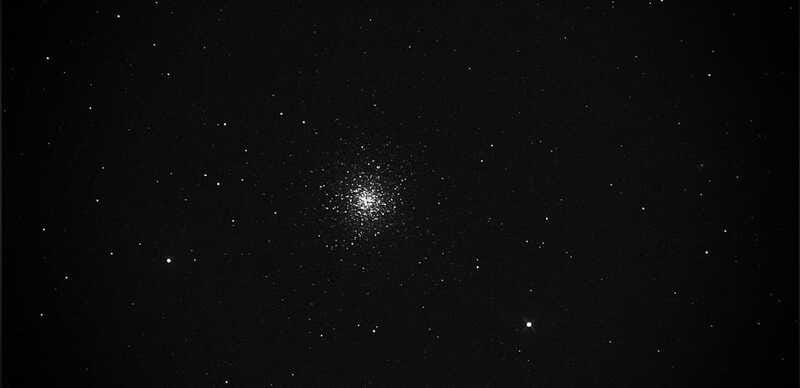
At $34 per person, the experience costs more than a simple museum film but less than a long guided excursion. The value comes from the live narration, the special dome setting, the local Jasper content, and the fact that the program works in any weather.
You are paying for a short presentation, not a full evening of activities. There is no food or drink included, and admission covers only the Planetarium Dome Theatre. It does not include access to other tours.
I would call the price fair for the right audience. A first-time visitor to Jasper who wants an easy introduction to astronomy may find the combination of local stories, northern lights, planets, and distant space worthwhile. A family looking for a calm indoor activity may also appreciate the short length.
The value is less convincing if you are mainly buying it as a substitute for seeing the real night sky. Jasper’s Dark Sky Preserve is best experienced outdoors when conditions allow. The dome can show you the Aurora Borealis and stars, but it cannot replace the scale and silence of being outside.
The mixed scoring reflects this difference in expectations. One recent visitor rated the experience highly, pointing to stunning visuals and an entertaining narrator. Another found it worthless at the price and advised against booking. Those reactions are not hard to reconcile. The program can be a strong short attraction for someone interested in astronomy, yet feel overpriced to someone expecting a major show.
Parking and the 15-minute arrival rule
If you drive to Jasper Park Lodge, you can use any available space in parking lots P2, P3, or P4. P2 is closest to the Planetarium.
Do not leave parking until the last minute. A January visitor nearly arrived late after having to park far from the lodge. The experience has a strict check-in time: you must report to the Planetarium Retail Desk 15 minutes before departure.
Late arrivals are not admitted because opening the doors disrupts the program. You may be moved to the next available time, but that could be on another day. I would arrive early, especially during a busy period or if you are unfamiliar with the lodge grounds.
Remember the route inside. Enter the Main Lodge, walk straight past the front desk, and look for the retail desk in the southwest corner of the lobby, across from the Emerald Lounge. This is a small detail, but it can save you from wandering through a large hotel while the clock runs down.
Rules inside the dome
The theatre is wheelchair accessible, and children under four are not permitted. Unaccompanied minors are not allowed, so younger visitors need to attend with an adult.
The restrictions are stricter than at a casual film screening. You cannot bring food or drinks inside, and smoking and vaping are prohibited. Pets are not allowed, except for assistance dogs. Intoxication, alcohol, and drugs are also prohibited.
Cellphone use, photography, flash photography, and audio recording are not permitted inside. These rules protect the dark viewing environment and keep screens and flashes from distracting the audience.
Plan to keep your phone away for the full 35 minutes. If you need to take notes, do so after the program during the Q&A, but do not assume audio recording is allowed. The show is meant to be watched without screens competing with the dome.
Who will get the most from this Jasper experience?
I would suggest this for adults and older children who enjoy space, visual presentations, or local astronomy. It also fits well into a Jasper itinerary when rain, clouds, or a packed schedule make outdoor stargazing uncertain.
Families should consider the age and interests of their children. The program is accessible, but one low score described it as too much like a children’s show. That may be a weakness for adults seeking advanced material, but it can help younger viewers follow the story.
Couples and solo visitors can use it as a short evening activity, especially if they want something indoors near the lodge. The live Q&A adds value for curious people who like to ask questions.
I would be cautious about booking if your main goal is a real northern lights sighting or a long astronomy session. The dome creates impressive views, but the experience lasts only 35 minutes and does not include outdoor observation.
The program is also a sensible choice for people who want a gentle introduction rather than a specialist lecture. You will move quickly from Jasper to the planets, nebulae, star clusters, glaciers, and the edge of the universe. That broad sweep is the point.
Booking, cancellations, and practical planning
You can reserve now and pay later, which helps if your Jasper schedule is still shifting. Cancellation is free up to 24 hours before the experience. Within 24 hours, you will not receive a refund, but you may change to another time.
The tour is offered in English with a live guide. Check the available start times when booking, since the 35-minute duration does not by itself tell you when each session runs.
Because food and drinks are not included and cannot be taken into the dome, eat beforehand if you need a meal. Also allow time to park, walk into the Main Lodge, find the retail desk, and check in before the required arrival time.
Should you book the Jasper Planetarium?
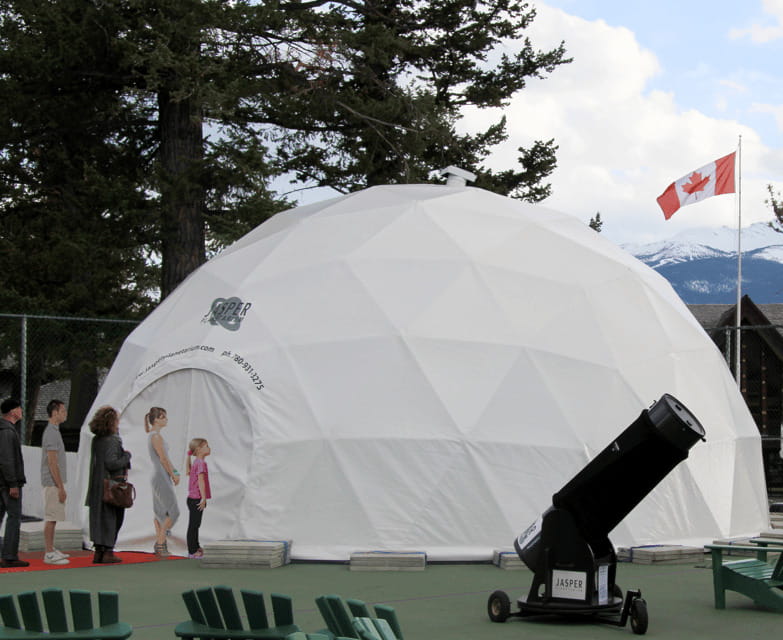
Book it if you want a polished, short indoor program that links Jasper’s dark sky, Indigenous constellations, northern lights, planets, and distant space. The live guide, small dome, and question period give it more personality than a basic recorded film.
Skip it if you want outdoor stargazing, a long scientific lecture, or a guaranteed real Aurora Borealis display. At $34, the price asks you to value the presentation and its local setting.
For most people, I would treat it as a good weather-proof addition, not the main astronomy event of a Jasper visit. Arrive early, use P2 if possible, keep your phone and camera packed away, and go in expecting an accessible 35-minute introduction rather than an advanced observatory program.
FAQ
Where does the Jasper Planetarium experience begin?
Check in at the Planetarium Retail Desk inside the Main Lodge at Fairmont Jasper Park Lodge. Walk straight past the front desk, and the retail desk is in the southwest corner of the lobby, across from the Emerald Lounge.
How long does the planetarium experience last?
The experience lasts 35 minutes.
How much does the Jasper Planetarium cost?
The listed price is $34 per person.
Is the planetarium wheelchair accessible?
Yes, the Jasper Planetarium is wheelchair accessible.
Can children attend the planetarium?
Children under four are not permitted. Unaccompanied minors are also not allowed.
Can I cancel my booking?
You can cancel up to 24 hours in advance for a full refund. Within 24 hours, you will not receive a refund, but you may change your booking to another available time.
Just added around Jasper
- Wildfire Peak Nic★ 5.0 · 5 reviews
- Whitewater Rafting on Jasper’s Fraser River★ 5.0 · 59 reviews
- Ultimate Jasper Nature Walk★ 4.5 · 9 reviews
- Morning Jasper National Park Wildlife Tour★ 4.5 · 47 reviews
- Planetarium and Telescope Combo Tour★ 4.0 · 144 reviews
- Sunwapta Challenge Whitewater Rafting: Class III Rapids★ 5.0 · 139 reviews
- Winter Wildlife Discovery Tour★ 4.5 · 68 reviews
- Wild Current Canoe Adventure Join a small group★ 5.0 · 177 reviews
Stargazing & Dark Sky, compared.
Jasper Planetarium and Telescope Combo Tour Tickets
The full write-up →
Sunset at Moraine Lake & Stargazing Tour from Canmore/Banff
The full write-up →
Banff OR Moraine Lake: Night Tour with possible Stargazing
The full write-up →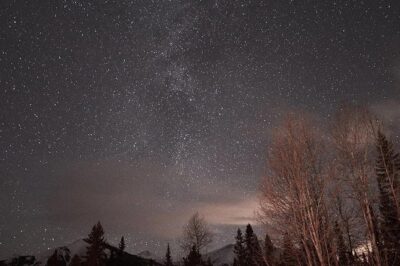
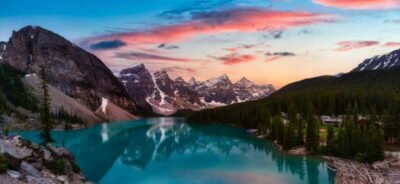
Sunrise or Sunset/Stargazing Tour at Moraine Lake from Banff
The full write-up →Browse the lists this tour appears in