
Reviewed · GLACIER & ICEFIELD TOURS
Columbia Icefield: Guided Glacier Hike
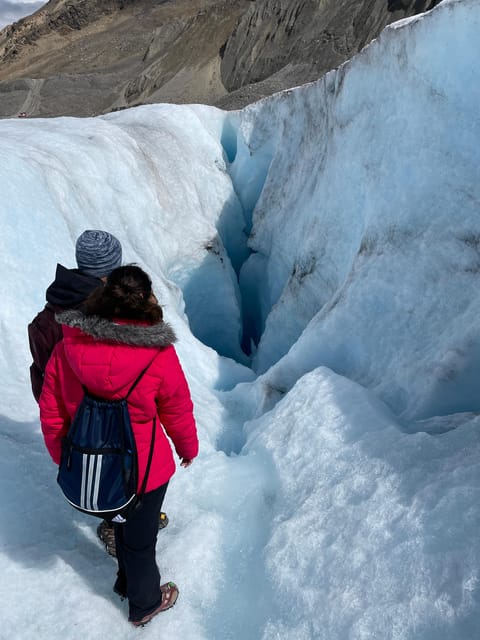
The most memorable part of this tour is getting onto the Athabasca Glacier on foot, rather than simply looking at it from a road or riding toward it on a large glacier vehicle. With an ACMG-certified guide leading the way, you can peer into crevasses, watch meltwater rush toward the ice, and see mill wells where water drops into the glacier.
I like two things especially: the small-scale, active approach and the practical gear setup. Crampons are provided for everyone, while boots, poles, gloves, hats, and rain gear are available if you need them. The main consideration is effort. This is a moderate 5-kilometre walk with 200 metres of climbing at about 2,000 metres above sea level, so it is not a casual stroll.
Key points at a glance
- Walk directly on Athabasca Glacier: You spend real time on the ice instead of viewing it only from a lookout or vehicle.
- Crevasses and mill wells: Your guide points out deep cracks, meltwater streams, and waterfalls disappearing into the glacier.
- 5 kilometres and 200 metres of climbing: The route is moderate, with uphill sections and slippery ice underfoot.
- Safety comes first: Crampons, a guide, poles, and optional borrowed clothing make the outing more manageable.
- Strong guide-led interpretation: Pete, Troy, Stu, Corin, Larry, and Ann have all been praised for clear explanations, humor, patience, and care.
- Good alternative to the bus option: At $96 per person, you pay for active access, instruction, and equipment rather than a passive scenic ride.
Why walking Athabasca Glacier feels different
The Columbia Icefield is one of the great mountain sights in Alberta, but the roadside view can leave you feeling like a spectator. This hike changes that. You walk across the Athabasca Glacier, part of the Columbia Icefield, and spend time noticing how ice behaves under your feet and around you.
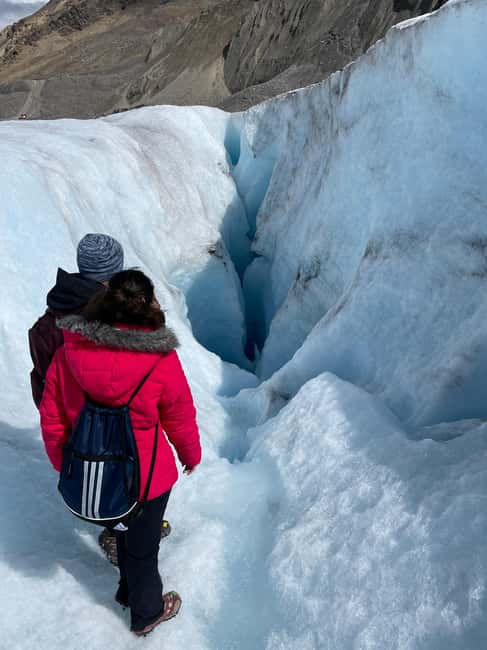
The glacier is not a flat white field. It has cracks, channels, small waterfalls, blue-toned openings, uneven ridges, and areas where water has cut into the ice. Some features can look quiet from a distance but reveal constant movement up close. Your guide helps you understand which formations are safe to approach and which must be viewed from a distance.
I also like that the experience does not require technical climbing. You do not need mountaineering training, ropes, or previous glacier experience. You do need a reasonable level of fitness, steady footing, and a willingness to walk uphill in a cold, exposed mountain setting.
More Glacier Tours in Jasper
- Jasper: Columbia Icefield Skywalk and Ice Explorer Ticket
★ 4.6 · 2,444 reviews - Columbia Icefield Tour with Glacier Skywalk
★ 4.5 · 1,860 reviews - Jasper: Columbia Icefield Skywalk
★ 4.3 · 916 reviews
Meeting the guides and getting ready
The meeting point is easy to miss if you are rushing along Highway 93. Turn into the Icefield Information Centre and Glacier Gallery parking lot, on the north side of the highway. Look for the black trailer and white vans marked with the IceWalks logo at the T-junction between the overflow RV parking area and the main visitor parking.
Do not go into the building, and do not park in the Glacier View Hotel parking lot. Those small directions matter because arriving at the wrong place could cost you precious time before the group leaves.
At the meeting point, you receive the equipment needed for the walk. Crampons, called micro-spikes here, give you traction on the ice. Hiking poles can help on uneven sections, and boots, gloves, hats, and rain gear are available if you do not have suitable equipment of your own.
Bring your own warm layers. The supplied gear is useful, but it does not replace thermal clothing. Pack a sweater or fleece, warm pants, and snacks. Conditions can shift quickly around the icefield, and you will be happier if you can add layers rather than depend on the borrowed rain gear alone.
The guide then takes the group a short distance by shuttle to the trailhead. This keeps the walking focused on the glacier approach and avoids turning the experience into a long road walk.
The 5-kilometre approach to the ice
The outing covers about 5 kilometres round trip and includes roughly 200 metres of elevation gain. That distance is not extreme, but the combination of uphill walking, high altitude, cold air, and uneven ground makes the tour more demanding than the numbers first suggest.
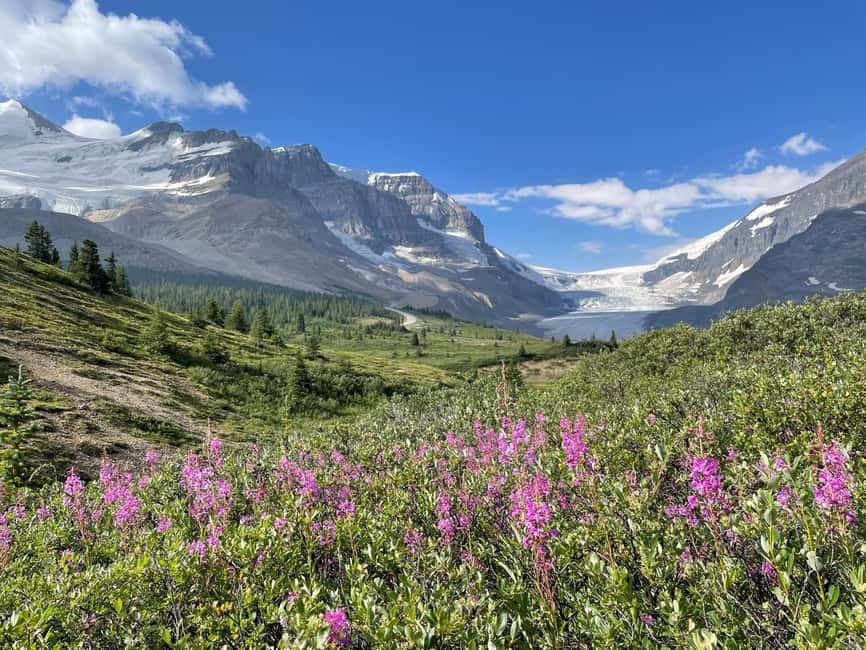
You should expect a moderate hike, not a gentle sightseeing path. The route takes you toward the Athabasca Glacier and into the surrounding Rockies, with ice-covered peaks forming the backdrop. The mountain views are a major part of the experience, but the route itself also gives you time to adjust your pace before stepping onto the glacier.
At around 2,000 metres, some people notice shortness of breath. Take your time and tell the guide if you need to slow down. The tour is intended for children from age seven who enjoy active walking, as well as fit older adults, but it is not suitable for people with low fitness, mobility problems, heart trouble, a cold, or other pre-existing medical conditions.
The age guidance also rules out the tour for people over 75 and children under seven. Those limits may feel strict, but they reflect the cold, altitude, walking surface, and need to stay with the group around glacier hazards.
What you see once you reach the glacier
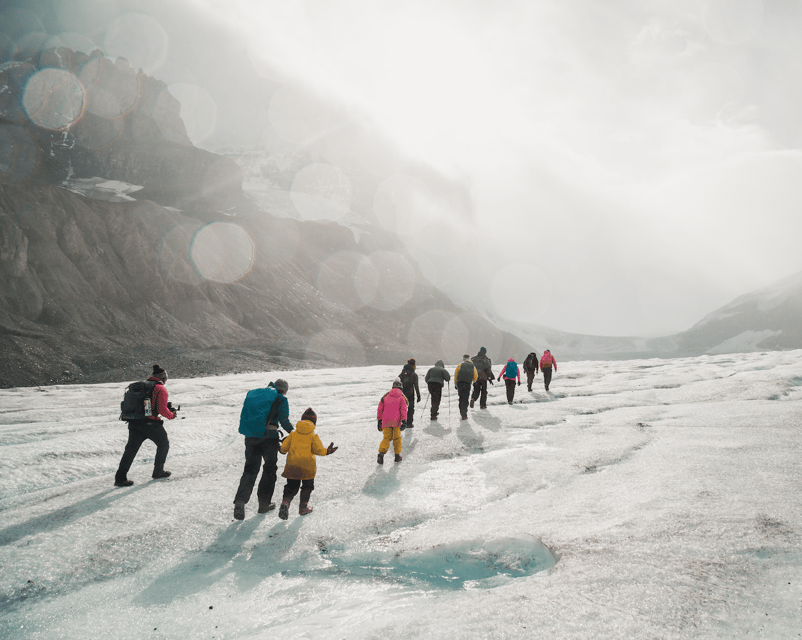
Stepping onto Athabasca Glacier is the central moment. Crampons help you grip the ice, but they do not turn the surface into an ordinary hiking trail. You still need to place your feet carefully, follow the guide, and pay attention to changes in the surface.
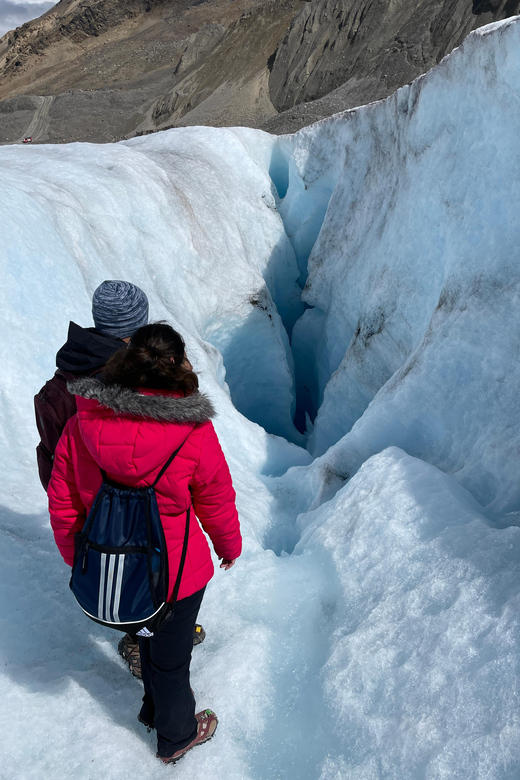
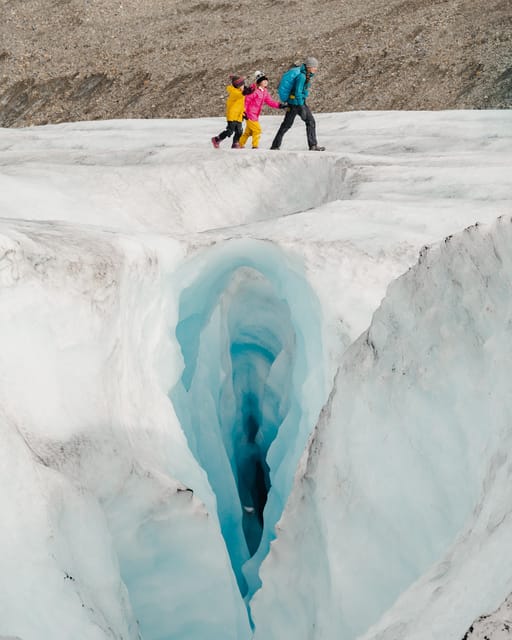
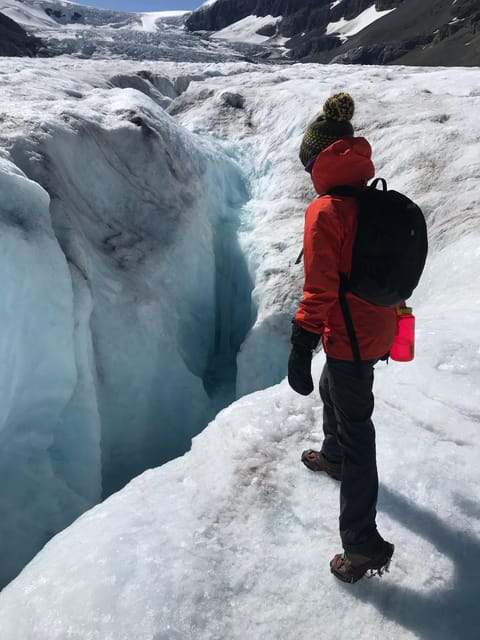
Your guide explains how to move safely around crevasses. These cracks can range from narrow openings to deep breaks in the ice. The point is not to get as close as possible. The value comes from seeing the formations safely and understanding how the glacier is shaped by movement and meltwater.
Mill wells are another memorable feature. These are places where water pours into the ice, forming a waterfall into the glacier. You may also see meltwater streams running across the surface and icefalls from a safe distance. Each feature shows the glacier as an active system rather than a frozen, motionless object.
The guide also covers the glacier’s history and the wider mountain environment. The strongest part of this teaching is its direct connection to what you are looking at. Instead of hearing a general talk and then trying to match it to the view, you can learn about a crevasse while standing near one, or discuss meltwater while watching it move.
More Hiking Tours in Jasper
- Guided Glacier Hike on The Athabasca with IceWalks
★ 5.0 · 334 reviews - Jasper: Wildlife and Waterfalls Tour with Lakeshore Hike
★ 4.7 · 239 reviews - Jasper Wildlife and Sightseeing Tour with Maligne Lake Hike
★ 5.0 · 216 reviews - Tread Lightly Glacier Hikes
★ 5.0 · 171 reviews
Guides who make the difference
A good guide matters more on a glacier than on an ordinary walking tour. You need someone who can explain the setting, manage pace, watch footing, and make sound safety decisions without making the outing feel tense.
Pete has been praised for humor, clear explanations, and enthusiasm for the glacier. That combination is useful because the subject can be technical, yet the walk should still feel enjoyable. Troy is also noted for patience, friendly instruction, and a careful approach that helped people feel comfortable on the ice.
Stu brings a lively style to the experience, with a professional and personable manner. Corin has taken extra care on hills and slippery sections, and has made sure people had opportunities to see glacier features rather than simply following in a line. Larry and Ann have also been singled out for thoughtful explanations and strong attention to the group.
Guide quality can vary from one departure to another, so you should not book expecting one particular person. Still, the repeated praise for different guides points to a consistent strength: the tour depends on human instruction, not only on scenery.
Gear, comfort, and safety on the ice
The equipment arrangement adds real value to the $96 price. Crampons are provided for all participants, while hiking boots, poles, gloves, hats, rain gear, and even sunscreen can be borrowed if needed. That makes the tour more practical for people who are visiting Alberta without a full set of hiking equipment.
The gear does not remove the need to prepare. Wear thermal clothing, bring snacks, and dress in layers. Warm sweaters and pants are not included, and those are the items most likely to keep you comfortable during a long outing in an exposed place.
No technical climbing skill is needed, but you still have to handle a moderate walk on ice. If you have mobility limitations, heart problems, a cold, a low fitness level, or another medical condition, this is not an appropriate activity. Wheelchair users cannot take part because the route and glacier surface are not accessible.
The guide leads you around crevasses and keeps icefalls at a safe viewing distance. Follow instructions closely. A glacier is beautiful precisely because it is active and changeable, not because it behaves like a normal park path.
Is $96 a good value?
At $96 per person, this is not the cheapest way to see the Columbia Icefield. The price makes more sense when you consider what is included: an ACMG-certified guide, shuttle transport to the trailhead, crampons, and access to borrowed boots and clothing if required.
You are also paying for an active experience rather than a brief photo stop. The guide interprets the glacier, explains the formations, and manages the route. That makes the outing a better fit for you if learning and direct contact matter more than simply reaching a viewpoint.
The value is strongest if you would otherwise need to buy or rent glacier-ready gear. It is also strong if you have already seen the glacier from the road and want a more personal way to understand it. If you want an easy ride with little physical effort, the price may feel less attractive because the main reward depends on walking.
The tour usually runs in the morning and afternoon, and lasts about three hours. That leaves room for other stops along Highway 93, but you should still allow time to arrive at the correct parking area, get fitted with equipment, and prepare before departure.
How it compares with a glacier bus visit
The large glacier vehicles offer a simpler sightseeing experience. You sit, look around, and reach the ice with less exertion. That can be the right choice for people who cannot manage a moderate hike or who prefer a short, straightforward visit.
This hike gives you something the bus cannot: time on the glacier with a guide explaining the ice at close range. You move through the setting under your own power, look at crevasses and meltwater channels from ground level, and get a better sense of the uneven surface.
I would choose the hike if you enjoy walking and want to understand the glacier rather than only photograph it. I would choose the vehicle option if altitude, slippery ground, or a 5-kilometre route would make the day uncomfortable.
Who should book this hike?
This is a strong choice for active families with children aged seven and older, couples, solo hikers, and older adults who remain fit and enjoy a moderate outing. You do not need climbing experience, and the provided equipment lowers the barrier for people who did not bring specialized winter gear.
It is also a good match for anyone who values a guide’s interpretation. Pete, Troy, Stu, Corin, Larry, and Ann have all been praised for making the science understandable, adding humor, and giving careful help on difficult sections.
You should think twice if you dislike cold conditions, have trouble walking uphill, or want a relaxed sightseeing stop. The setting is spectacular, but the outing asks you to work for it. At altitude, even a moderate route can feel tiring.
Cancellation is flexible up to 24 hours before departure for a full refund, and you can reserve now and pay later. Those terms help if your Canadian Rockies schedule depends on weather or changing road plans, though you still need to check conditions and arrive prepared.
Final verdict: choose the ice, not just the view
Book the Columbia Icefield Guided Glacier Hike if you want to walk on Athabasca Glacier, learn what you are seeing, and accept a moderate physical challenge. The combination of an ACMG-certified guide, supplied traction gear, close views of crevasses and mill wells, and strong guide-led teaching makes $96 a fair price.
Skip it if you need an accessible route, have medical limitations, or want a low-effort stop. For the right walker, this is one of the most direct ways to experience the Columbia Icefield, and it offers far more than a quick photograph from beside the highway.
FAQ
How long does the Athabasca Glacier hike last?
The tour lasts about three hours. It is generally available in both the morning and afternoon.
How far do you walk?
The route covers about 5 kilometres round trip and includes approximately 200 metres of elevation gain.
Do I need technical climbing experience?
No. Technical climbing experience is not required, though you should be comfortable with a moderate hike on uneven and icy ground.
What equipment is included?
Crampons, also called micro-spikes, are provided. Hiking poles, rain gear, hiking boots, gloves, and hats are available to borrow if you do not have your own.
What should I bring?
Bring snacks and thermal clothing. Warm layers such as sweaters and warm pants are not included with the tour.
Is the tour suitable for children?
It is suitable for children aged seven to sixteen who enjoy hiking and active outdoor activities. Children under seven cannot take part.
Does the high elevation affect the hike?
The tour operates at about 2,000 metres, and some people experience shortness of breath at that elevation.
Where do I meet the tour?
Turn from Highway 93 into the Icefield Information Centre and Glacier Gallery parking lot. Find the black trailer and white IceWalks vans at the T-junction between the overflow RV parking area and visitor parking. Do not enter the building or park in the Glacier View Hotel parking lot.
Just added around Jasper
- Wildfire Peak Nic★ 5.0 · 5 reviews
- Whitewater Rafting on Jasper’s Fraser River★ 5.0 · 59 reviews
- Ultimate Jasper Nature Walk★ 4.5 · 9 reviews
- Planetarium and Telescope Combo Tour★ 4.0 · 144 reviews
- Morning Jasper National Park Wildlife Tour★ 4.5 · 47 reviews
- Sunwapta Challenge Whitewater Rafting: Class III Rapids★ 5.0 · 139 reviews
- Winter Wildlife Discovery Tour★ 4.5 · 68 reviews
- Wild Current Canoe Adventure Join a small group★ 5.0 · 177 reviews
Glacier & Icefield Tours, compared.
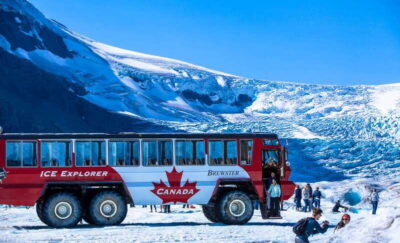
Columbia Icefield Skywalk and Ice Explorer Ticket
The full write-up →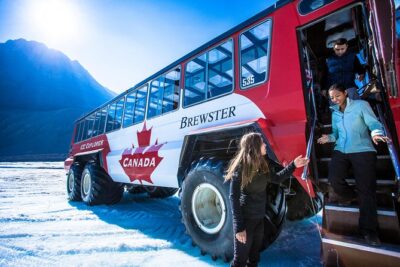
Columbia Icefield Tour with Glacier Skywalk
The full write-up →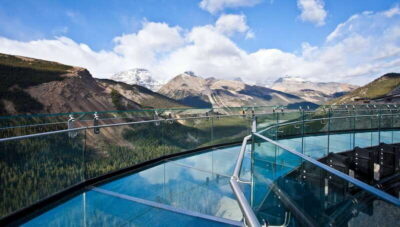
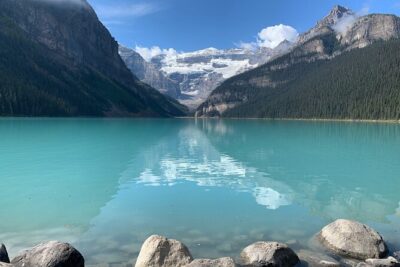
Lake Louise, Moraine Lake and the Icefields Parkway Full-Day Tour
The full write-up →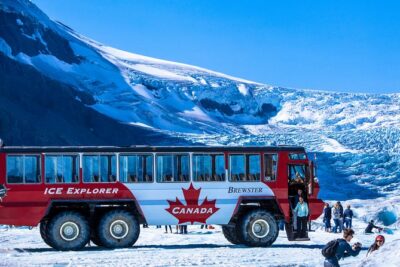
Columbia Icefield Tour with Glacier Skywalk from Banff
The full write-up →
Columbia Icefield, Skywalk, Crowfoot Glacier, and Lakes Tour
The full write-up →
Athabasca Glacier and Columbia Icefield Day Trip
The full write-up →Browse the lists this tour appears in