
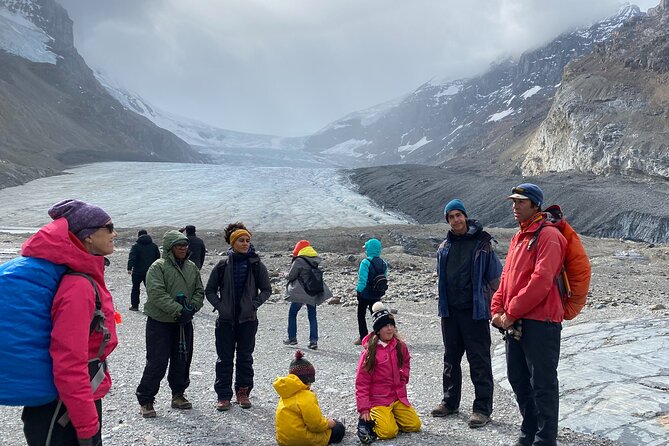
Reviewed · GLACIER & ICEFIELD TOURS
Guided Glacier Hike on The Athabasca with IceWalks
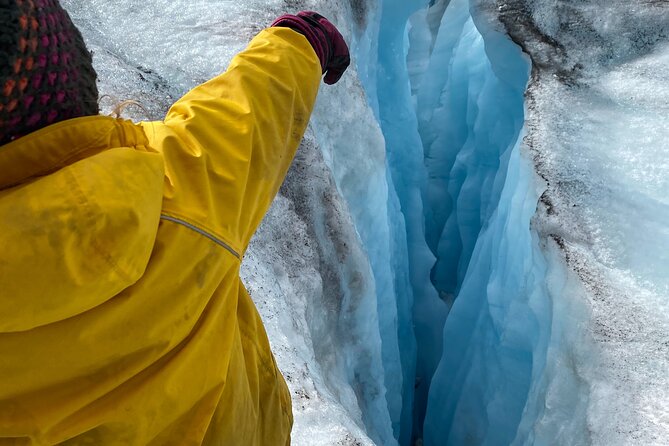
Walking on the Athabasca Glacier is the real draw here. You do not simply stop at a viewpoint and take a photo. You follow an ACMG-certified guide onto the ice, where crevasses, meltwater streams, mill wells, and icefalls become part of the route.
I like the small maximum group of 12, which gives your guide room to answer questions and watch the footing. I also like that the technical gear is supplied, so you can try a genuine glacier walk without climbing experience. The catch is that the approach and glacier walk can feel more strenuous than the three-hour label suggests, especially in poor weather or if you have heart, lung, or mobility problems.
Key points to know before you book
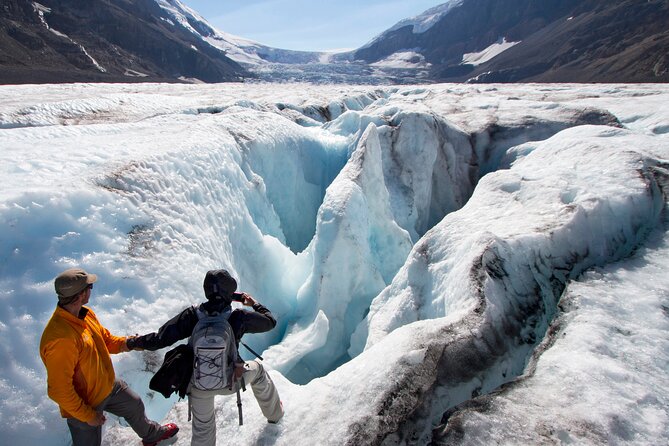
- You walk on the Athabasca Glacier itself: This is more active than a roadside glacier stop and gives you a close look at moving water and ice formations.
- The tour lasts about three hours: Expect a five-kilometer round trip, including the route from the meeting point to the glacier and back.
- Groups are capped at 12 people: That makes it easier to hear the guide, ask questions, and receive help with equipment.
- Micro-spikes and some clothing are provided: Hiking boots, rain gear, gloves, and a hat are available if needed, but you must bring your own warm insulating layer.
- The route is moderate, not effortless: Several stops break up the walk, but the approach to the glacier can still feel demanding.
- Weather matters: Bring layers and prepare for quick changes. If poor weather cancels the outing, you can choose another date or receive a full refund.
What the Athabasca Glacier walk is really like
The Athabasca Glacier offers an unusual balance: it feels adventurous, but you do not need technical climbing skills. Your guide leads you across the ice and explains what you are seeing as the route unfolds. That matters because a glacier can look like a broad field of white from a distance. Up close, it is full of cracks, channels, wells, and shifting textures.
The experience begins at the Columbia Icefield Discovery Centre parking lot. IceWalks staff meet you there, help sort out the equipment, and prepare the group for the walk. From the centre, a short shuttle takes you to the trailhead, saving you from making the entire approach on foot from the main visitor area.
The advertised duration is about three hours, and the total route is roughly five kilometers round trip. That includes the walk to the glacier, time on the ice, stops for interpretation, and the return. You should treat this as an active outdoor outing, not a quick photo stop.
The group limit of 12 is one of the tour’s strongest practical features. A smaller group helps the guide keep everyone together and makes it easier to stop safely around uneven ice. It also gives you a better chance to ask about the formations, the glacier’s past, and the surrounding peaks without shouting over a large crowd.
More Glacier Tours in Jasper
- Jasper: Columbia Icefield Skywalk and Ice Explorer Ticket
★ 4.6 · 2,444 reviews - Columbia Icefield Tour with Glacier Skywalk
★ 4.5 · 1,860 reviews - Jasper: Columbia Icefield Skywalk
★ 4.3 · 916 reviews
From the discovery centre to the glacier
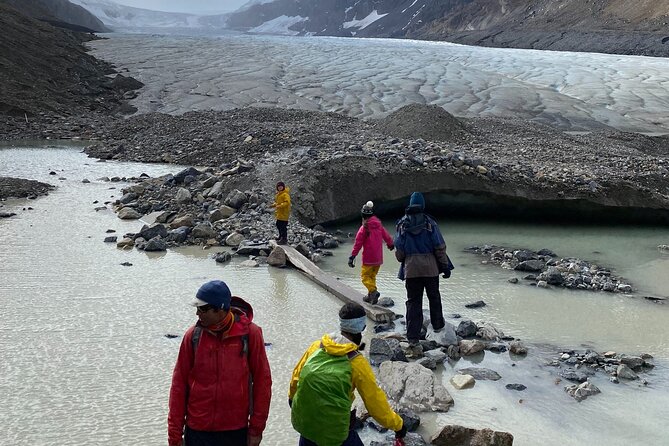
The approach is described as easy to moderate, but that wording should not make you expect a stroll. Several people found the hike more strenuous than anticipated, particularly on the way to the glacier. One useful comparison places it below the difficulty of the Lake Agnes hike, though your experience will depend on weather, fitness, and the condition of the route.
The approach is important because it gives you time to shift from ordinary sightseeing into a proper mountain outing. Wear footwear you can walk in comfortably, and do not arrive dressed only for a warm afternoon at the visitor centre. The ice may be colder, windier, and wetter than the parking area.
Walking sticks may be available from the guide, and they can be useful. Even if you usually walk without one, extra balance helps on changing ground and slick sections. Do not assume the supplied micro-spikes will do all the work. They improve traction, but they do not remove the need to watch each step.
At the trailhead, the guide helps you fit the traction gear. Micro-spikes, sometimes described as crampons for added grip, are included if you do not have your own. Hiking boots, rain gear, gloves, and a hat are also provided when needed. You still need to bring your own warm insulating layer. That is the clothing item most worth planning carefully.
Reading the ice with an ACMG-certified guide
The guide is not simply there to lead the way. IceWalks uses ACMG-certified guides who explain how the glacier formed and how water and movement shape it. Guides named in the tour feedback include Mike, Stu, Troy, Ana, Nick, Larry, Tom, Rupert, Tamara, and Tyler.
The strongest praise focuses on the guiding. Mike is described as helpful, personable, and clear in his explanations. Stu is noted for covering both the beauty and the dangers of glacier travel. Nick is praised for fitting the gear, sharing facts, and adjusting the pace. Tyler is remembered for combining useful information with humor while looking after the group.
That variety tells you what to expect from the guide-led format. The quality of the day depends partly on your individual guide, but the role is consistent: set a safe pace, explain the ice, answer questions, and keep the group on suitable footing. The stops are not wasted time. They break up the physical effort and give you a chance to understand what would otherwise look like random snow and blue-white ice.
You may learn about the glacier’s history, the surrounding mountains, and the forces that create its features. The exact presentation will vary by guide and conditions, but the activity is designed as an interpretive walk rather than a silent trek.
Crevasses, mill wells, and meltwater streams
The glacier’s features are the reason to choose this outing instead of simply viewing the ice from a distance. A crevasse reveals that the glacier is not a solid, motionless slab. It is moving ice with fractures and changing pressure.
Mill wells are especially striking. These are waterfalls where meltwater drops into openings in the glacier, carrying water down into the ice. Seeing one in person helps you understand that the glacier is shaped from within as well as from above.
Meltwater streams add another layer to the walk. They can appear as channels across the surface, and their presence makes the ice feel active rather than frozen in time. Icefalls provide a larger-scale reminder of the glacier’s movement, where broken and compressed ice creates a more dramatic section of the route.
Your guide keeps the group on safe footing while pointing out these formations. You should not wander off to explore a crack or opening on your own. The glacier’s appeal comes with real hazards, and the route is controlled for good reason.
The surrounding peaks add to the experience. You get views of the Canadian Rockies while standing on the ice, not just looking toward it from a platform. Weather may limit visibility, but clear conditions can make the walk feel especially grand.
More Hiking Tours in Jasper
- Jasper: Wildlife and Waterfalls Tour with Lakeshore Hike
★ 4.7 · 239 reviews - Jasper Wildlife and Sightseeing Tour with Maligne Lake Hike
★ 5.0 · 216 reviews - Tread Lightly Glacier Hikes
★ 5.0 · 171 reviews - Canadian Rockies: Helicopter Flight with Exploration Hike
★ 4.9 · 89 reviews
How strenuous is the three-hour tour?
The tour is rated moderate and is intended for people with a moderate level of physical fitness. It can suit active seniors and young children, but those labels should not be read as a promise that the outing is easy for everyone.
The walk includes the approach to the glacier and a five-kilometer return route. You may stop several times for explanations, which helps, but you are still walking on uneven ground and ice. Some people found the outing more strenuous than expected, while others considered it easier than a well-known mountain hike.
Your fitness matters, but so do the conditions. Rain, wind, cold, and changing surfaces can make the same route feel harder. A person comfortable on ordinary paths may still need to slow down on the glacier.
The activity is not suitable for people with heart, lung, or mobility issues. If any of those conditions apply to you, take that warning seriously and ask before booking. Service animals are allowed, but the physical nature of the route still deserves careful thought.
What to wear and what to bring
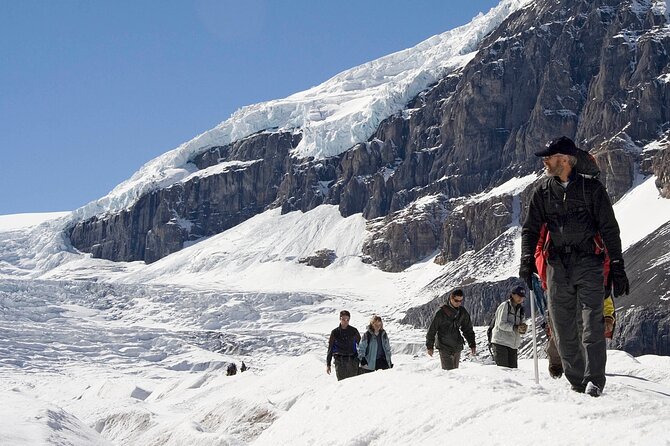
The most useful clothing advice is simple: dress in layers. Weather can change quickly during the outing, and the glacier may feel colder than the starting area. A warm insulating layer is specifically your responsibility, even though other equipment and some clothing can be provided.
Plan on bringing:
- A warm insulating layer
- Comfortable outdoor clothing in layers
- Sunglasses or sun protection if you normally use them outdoors
- Water and any personal items you need for a three-hour activity
- Gloves and a hat if you prefer your own familiar gear
The supplied rain gear can help if conditions turn wet, but your own warm layer remains important. Do not dress for the weather you see when leaving your hotel. The glacier environment can change quickly, and one person completed the outing in steady rain but still considered it worthwhile.
Micro-spikes improve grip, but they are not a substitute for stable footwear or attention. Walking sticks can also help. If your guide offers one, accept it if you are uncertain about balance.
Is the $98.89 price good value?
At $98.89 per person, the tour costs more than a simple scenic stop, but it gives you a much more active connection with the glacier. You receive a guided three-hour outing, a short shuttle to the trailhead, equipment support, and a small group capped at 12.
The value is strongest if you want to understand the ice rather than only photograph it. The guide adds context, points out features you might miss, and manages the safety side of walking in a changing environment. You also avoid having to own or rent glacier-specific traction gear for this one activity.
The price is less compelling if you want a very easy outing or only have time for a quick view. The walk takes about three hours, and the physical effort is real. You should also account for the possibility of buying or bringing suitable warm layers if your wardrobe is geared toward ordinary summer sightseeing.
The tour’s 4.9 rating from 334 ratings and 97 percent recommendation rate suggest a strong record, with guiding and the chance to walk on real glacier ice receiving the most praise. Those figures do not remove the weather and fitness considerations, but they support the idea that the activity delivers what it promises.
Weather, timing, and the cancellation rule
The tour requires good weather. Mountain weather can change quickly, so prepare for the possibility of rain, cold, or reduced views even if the forecast looks favorable. The walk can still be rewarding in wet conditions, but poor weather may lead the operator to cancel for safety.
If IceWalks cancels because of poor weather, you can select another date or receive a full refund. If you cancel, you must do so at least 24 hours before the start time to receive a full refund. Cancellations or changes made within 24 hours are not refunded or accepted.
The meeting point is in the Columbia Icefield Discovery Centre parking area, identified by the plus code 95446QCC+4P. The outing ends back at that meeting point. Build in enough time to find the centre, park, and meet the guide without rushing into the equipment fitting.
Who will enjoy this most?
I would choose this for someone who wants a memorable mountain activity and is comfortable with moderate walking. It works well for families with active children, couples looking for something more unusual than a viewpoint, and older hikers who can manage uneven terrain.
It is also a good choice if you value explanation. The guide-led format turns the glacier into something you can read and understand. You will learn why water cuts through the ice, how openings form, and why certain areas are unsafe.
I would hesitate if you have heart, lung, or mobility concerns, dislike changing weather, or want a relaxed sightseeing stop. The glacier walk is not technical climbing, but it is not effortless either.
Should you book the Athabasca Glacier walk?
Book it if walking on a glacier is high on your Canadian Rockies wish list. The combination of a small group, supplied traction gear, close-up ice formations, and strong guide support makes this a practical way to experience the Athabasca Glacier.
The best reason to choose it is access. You are not merely looking at the glacier from far away. You are walking across it while a trained guide explains the crevasses, mill wells, meltwater, and icefalls around you.
Before booking, be honest about your fitness and clothing. Bring a warm layer, expect a moderate five-kilometer outing, and allow for changing weather. If you are ready for those conditions, this is likely to be one of the most memorable activities around the Columbia Icefield.
FAQ
How long does the Athabasca Glacier walk take?
The activity lasts approximately three hours, including the approach to the glacier, the guided walk on the ice, and the return to the meeting point.
How far do you walk?
The route is approximately five kilometers round trip.
Where does the tour meet?
You meet the IceWalks guide in the Columbia Icefield Discovery Centre parking lot at the listed plus code, 95446QCC+4P.
Does the tour include transportation?
Yes. You are shuttled a short distance from the Columbia Icefield Discovery Centre parking area to the trailhead.
Is glacier-climbing experience required?
No. Technical climbing experience is not required.
Is equipment provided?
Micro-spikes are provided if you do not have your own. Hiking boots, rain gear, gloves, and a hat are also available. You must bring your own warm insulating layer.
How many people are in each group?
The maximum group size is 12 travelers.
Is the tour suitable for children and seniors?
The activity is described as moderate and suitable for young children and active seniors, provided they can manage the physical demands. A moderate fitness level is recommended.
What happens if the tour is canceled because of bad weather?
If poor weather causes IceWalks to cancel the activity, you can choose a different date or receive a full refund.
Just added around Jasper
- Wildfire Peak Nic★ 5.0 · 5 reviews
- Whitewater Rafting on Jasper’s Fraser River★ 5.0 · 59 reviews
- Ultimate Jasper Nature Walk★ 4.5 · 9 reviews
- Morning Jasper National Park Wildlife Tour★ 4.5 · 47 reviews
- Planetarium and Telescope Combo Tour★ 4.0 · 144 reviews
- Sunwapta Challenge Whitewater Rafting: Class III Rapids★ 5.0 · 139 reviews
- Winter Wildlife Discovery Tour★ 4.5 · 68 reviews
- Wild Current Canoe Adventure Join a small group★ 5.0 · 177 reviews
Glacier & Icefield Tours, compared.
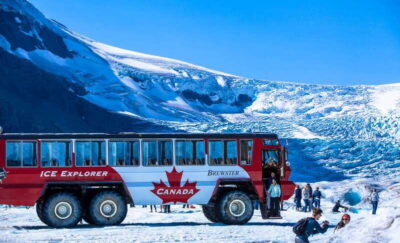
Columbia Icefield Skywalk and Ice Explorer Ticket
The full write-up →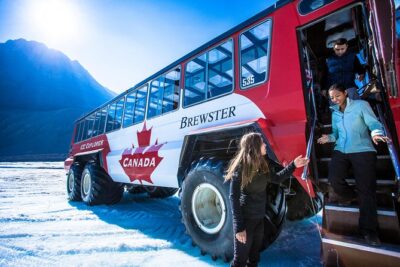
Columbia Icefield Tour with Glacier Skywalk
The full write-up →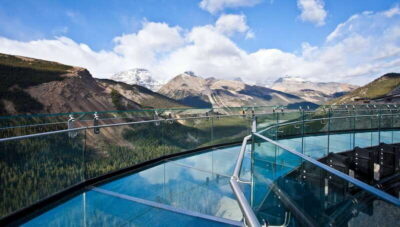
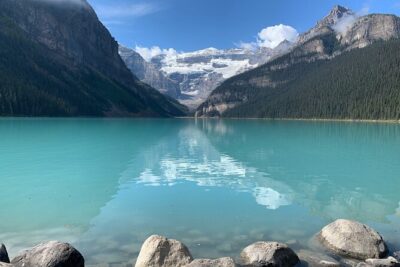
Lake Louise, Moraine Lake and the Icefields Parkway Full-Day Tour
The full write-up →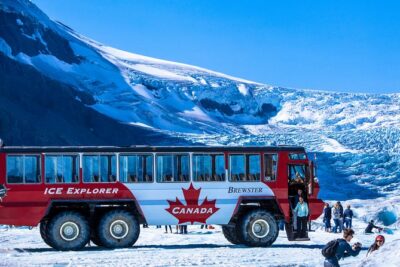
Columbia Icefield Tour with Glacier Skywalk from Banff
The full write-up →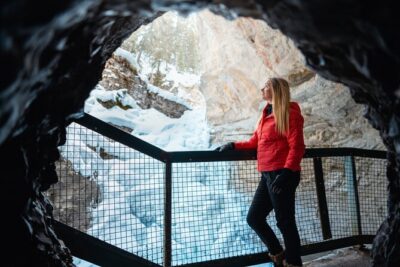
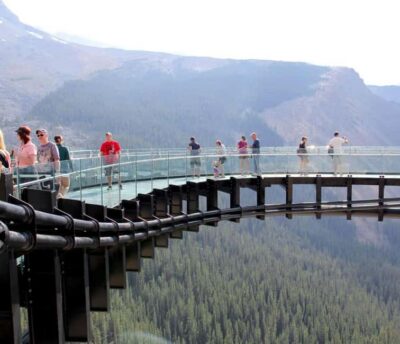
Columbia Icefield, Skywalk, Crowfoot Glacier, and Lakes Tour
The full write-up →
Athabasca Glacier and Columbia Icefield Day Trip
The full write-up →Browse the lists this tour appears in