
Reviewed · MUSEUMS
Quebec City: MNBAQ National Fine Arts Museum Entry Ticket
Quebec City’s MNBAQ puts art, parkland, and Canadian identity in one stop. The most memorable sight is Jean Paul Riopelle’s monumental Tribute to Rosa Luxemburg, while the Inuit collection gives the museum a focus you will not find in every Canadian art museum. I also like the setting: the museum sits beside the Plains of Abraham, so you can pair galleries with open lawns, wooded paths, gardens, and St. Lawrence River views.
I like the low $10 price and the free cloakroom, especially on a wet or cold day. The main drawback is that current building work has closed the Central Pavilion, Gérard-Morisset Pavilion, and Charles Baillairgé Pavilion, so you must enter through the Pierre Lassonde Pavilion and may need to walk outside from the parking area.
Key points to know before you go
- Four permanent exhibitions: See Contemporary Art, Us, Inuit Art, and Decorative Arts and Design in Quebec.
- Riopelle’s large-scale work: Tribute to Rosa Luxemburg is displayed in the Pierre Lassonde Pavilion.
- A museum in a historic city park: The Plains of Abraham add open space, gardens, and river views before or after your visit.
- Special exhibitions change: Early Days, Niki de Saint Phalle, and Hyperrealistic Sculpture are scheduled for different periods.
- Start at 179 Grande Allée Ouest: The Pierre Lassonde Pavilion contains the ticket desk, cloakroom, café, shop, and main galleries.
- Useful free services: Ask about the audio guide, Wi-Fi, baby strollers, and wheelchairs when you arrive.
Why the MNBAQ is worth your Quebec City time
The Musée national des beaux-arts du Québec is not simply a stop for people who already know Canadian art. It is the only museum devoted entirely to Quebec art, and that gives your visit a clear purpose. You are seeing how artists from Quebec have pictured their people, land, materials, beliefs, and modern life.
At $10 per person, the admission is unusually easy to fit into a Quebec City day. You receive access for one day, not a rushed hour between other appointments. I would allow at least two hours for the permanent displays, and longer if a major temporary exhibition is running. The museum can also fill a rainy afternoon without asking you to cross the city from one indoor sight to another.
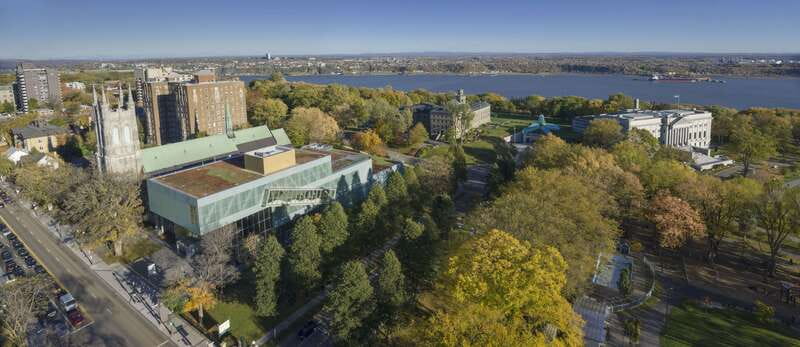
The setting adds real value. The museum is in Battlefield’s Park, also called the Plains of Abraham, a 108-hectare urban park with lawns, wooded areas, and gardens. The park is part of the visit, not just scenery outside the door. You can walk through the grounds before entering, take a break outdoors, or finish with the view toward the St. Lawrence River.
More Museum Tours in Quebec City:
- Toronto: Royal Ontario Museum Admission Ticket
★ 4.6 · 1,237 reviews - Royal Ontario Museum Admission
★ 4.5 · 411 reviews - Toronto: Art Gallery of Ontario General Admission Ticket
★ 4.6 · 251 reviews
Begin at the Pierre Lassonde Pavilion
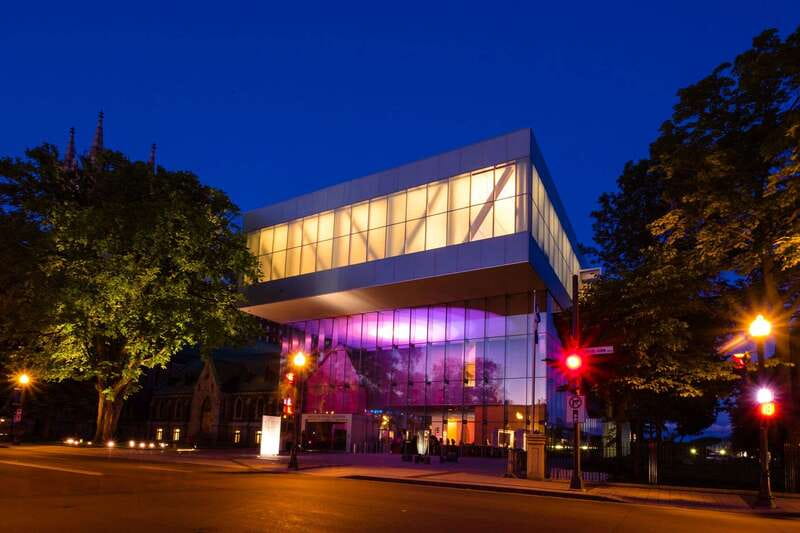
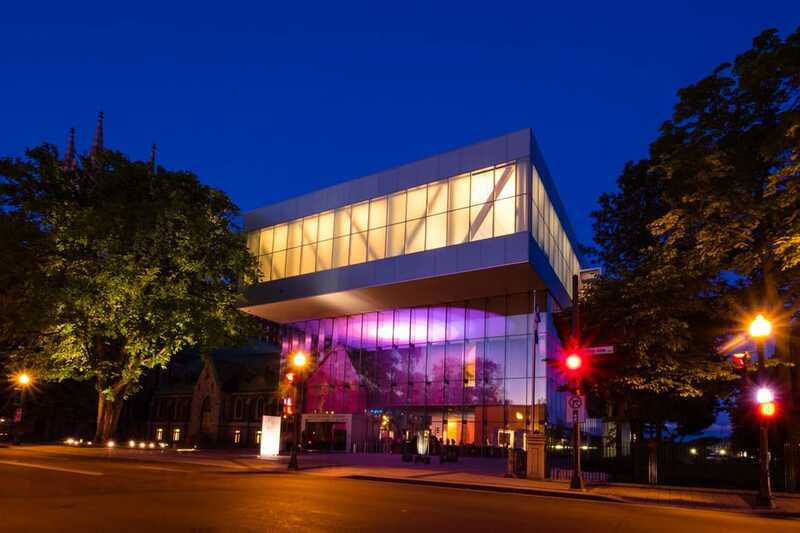
Use the entrance at 179 Grande Allée Ouest. The Pierre Lassonde Pavilion is the museum’s front door and the practical starting point for the visit. Inside, you will find the ticket counter, where you receive your bracelet, along with the cloakroom, boutique, café, and the main exhibition spaces.
The pavilion is covered in glass and designed with broad, tiered spaces. It has a light, open feel, with the Plains of Abraham and Grande Allée visible around you. I like this first impression because the building does not isolate the art from Quebec City. You remain aware of the park and street even while moving through the galleries.
A free cloakroom is available, which is useful in Quebec’s winter or during a rainy spell. The museum also offers Wi-Fi, courtesy baby strollers, and wheelchairs. Ask about the free audio guide at the desk. Since no live guide is included, the audio option is the best way to add explanation while keeping your visit at your own pace.
Current construction affects the layout. The Central Pavilion, Gérard-Morisset Pavilion, and Charles Baillairgé Pavilion are closed because of preparatory work for Espace Riopelle, scheduled for fall 2026. A tunnel network connects the museum’s buildings, but the closures mean you should follow the route available on the day of your visit rather than expect the full complex to be open.
Four collections that explain Quebec art
The permanent displays give you four different ways into the museum. You do not need to know the names of Quebec artists ahead of time. Instead, use the collections as a set of broad questions: How does Quebec see itself? How do artists respond to the modern world? What can materials and design tell us about daily life? How does Inuit art fit into the story of Canadian art?
Us
The Us exhibition focuses on identity and shared experience. Its value is that it gives context to the museum’s larger mission. Instead of viewing Quebec art as a row of unrelated styles, you can consider how artists have pictured community, belonging, and the people around them.
This is a good place to slow down. The title asks you to think about who is included in that word and how artists define a society. You might find that the display works best after you have seen the more object-focused decorative arts galleries, since the human subject becomes easier to compare across different periods and mediums.
A few more Quebec City days worth comparing
- Quebec City Walking Tour
★ 5.0 · 4,716 reviews - Quebec City: Guided Tour of Fairmont Le Château Frontenac
★ 4.7 · 3,027 reviews - Québec City: Guided Sightseeing River Cruise
★ 4.4 · 3,000 reviews - Half-Day Trip to Montmorency Falls and Ste-Anne-de-Beaupré from Quebec city
★ 4.0 · 2,718 reviews
Inuit Art: The Brousseau Collection and Illipunga
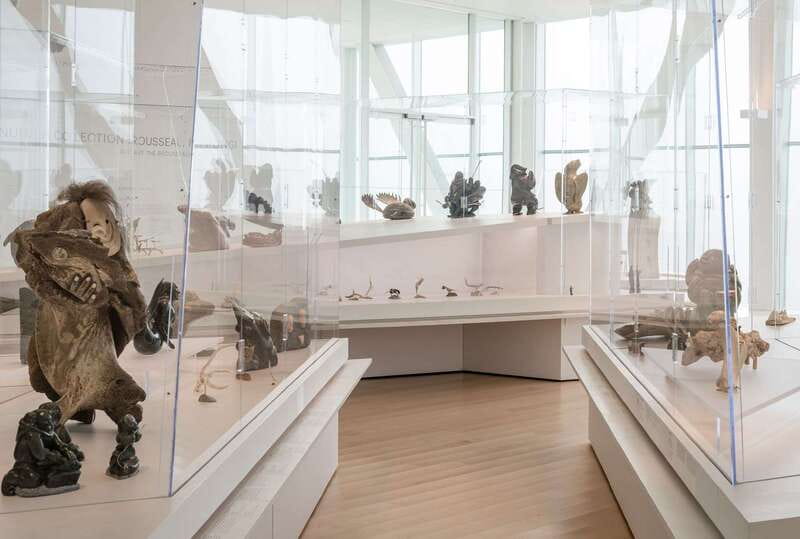
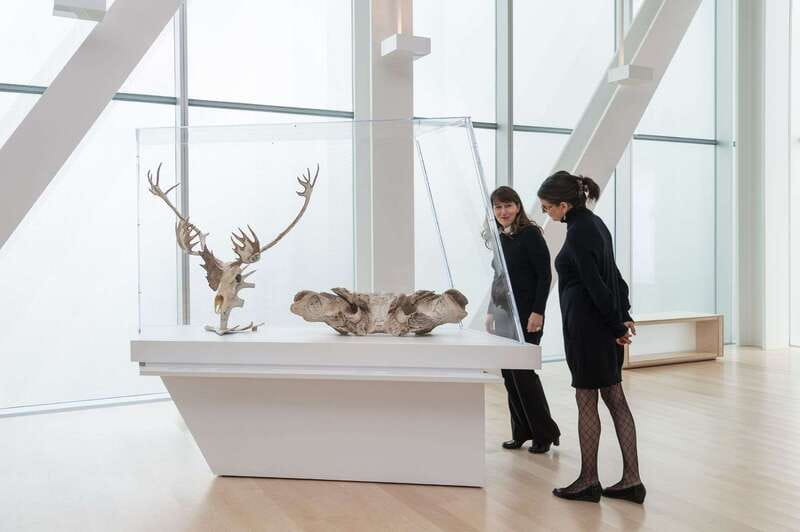
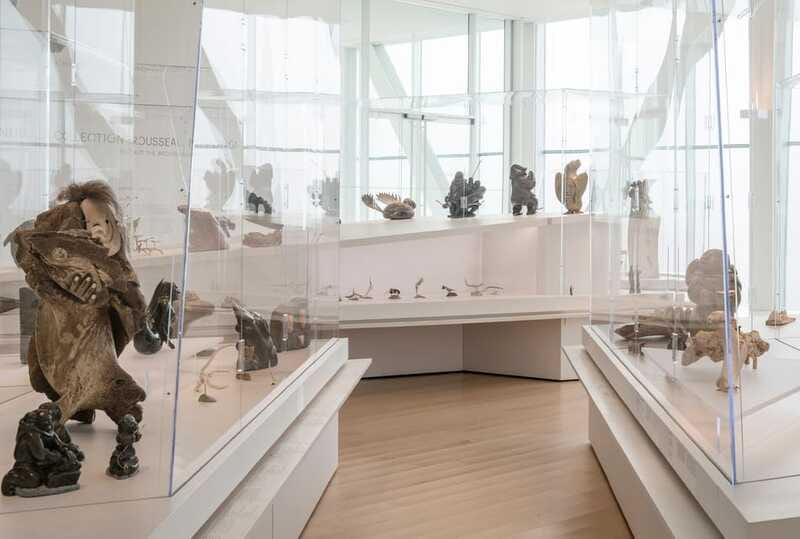
The Inuit art displays are among the museum’s most distinctive features. The Brousseau Collection and Illipunga provide an exclusive focus on Inuit art within this Quebec institution. That matters because the collection is not a small side room added to a general Canadian art display. It is one of the museum’s central subjects.
Give this section time. Inuit art can be approached through form, material, story, and connection to place, but the museum’s purpose is not just to offer attractive objects. I would use the audio guide here if one is available, since added context can help you understand what you are seeing without rushing from piece to piece.
This exhibition also broadens your picture of Quebec art. The museum is not limited to paintings from urban studios. It presents a wider view of artistic practice in Quebec and Canada, with Inuit work given its own room to speak clearly.
Contemporary Art in Quebec
The contemporary collection covers post-1960 work and gives the museum a sharper, more experimental edge. After the identity-focused Us display and the Inuit galleries, this section shows how artists respond to new materials, changing social questions, and modern life.
Expect a different rhythm here. Some pieces may be immediately clear, while others ask you to spend more time with their arrangement or idea. That variety is part of the point. If you prefer traditional paintings, this may be the portion you move through fastest, but I would not skip it. It shows how Quebec’s art scene continues beyond familiar historical styles.
The Pierre Lassonde Pavilion includes six galleries for post-1960 collections, along with temporary exhibition space. This makes the pavilion the museum’s most important area for modern and current work.
Decorative Arts and Design in Quebec
Decorative art rewards close looking. Furniture, objects, materials, and design connect art to ordinary life in a way that a gallery of paintings cannot. You can pay attention to craftsmanship, shape, use, and the choices that make an object both practical and beautiful.
I especially recommend this section to anyone who enjoys design, interiors, textiles, or the details of making. It also works well for families because objects can be easier to discuss than abstract ideas. Ask yourself what each piece was made to do, who might have used it, and how its design reflects Quebec culture.
Riopelle’s Tribute to Rosa Luxemburg
Jean Paul Riopelle’s Tribute to Rosa Luxemburg is one of the museum’s main visual events. The work is a monumental fresco, so it changes the scale of your visit. After smaller objects and individual artworks, you encounter something built to command a room.
Riopelle was a major Quebec artist, and the fresco connects his bold style with Rosa Luxemburg, the German-Polish revolutionary and political thinker. You do not need to arrive with a full biography to appreciate the work. First look at it from a distance, then move closer to study its marks, colors, and surface.
The fresco is in the Pierre Lassonde Pavilion, making it easy to include early in your route. I would not leave it for the final five minutes. Large works often need a pause, and this one gives you a strong visual anchor for the rest of the museum.
Temporary exhibitions worth timing your visit around
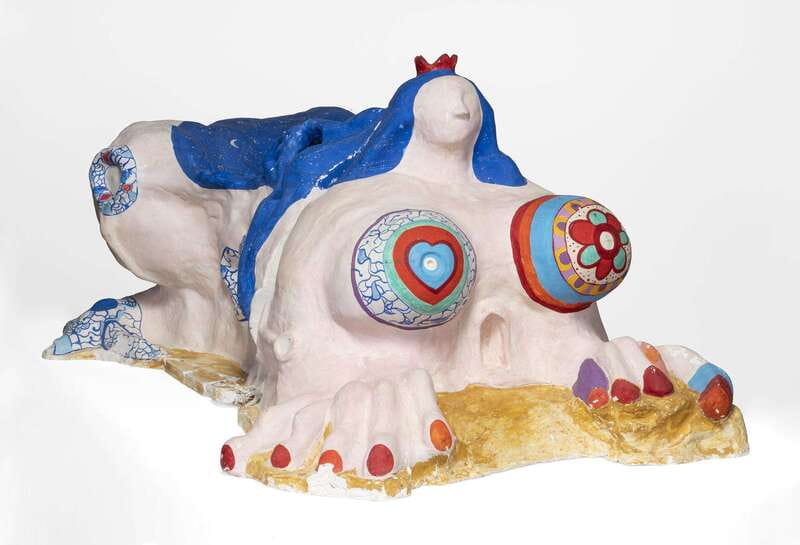
The MNBAQ regularly adds major exhibitions to its permanent displays. Admission information says special and blockbuster exhibitions are included, but dates matter, so check the schedule before booking.
Early Days runs from October 17, 2024, through April 21, 2025. It is described as the first exhibition of Canadian Indigenous art to circulate internationally and presents the variety and strength of Indigenous art in Canada. If your visit falls within those dates, this exhibition gives the museum’s Indigenous focus an even wider frame.
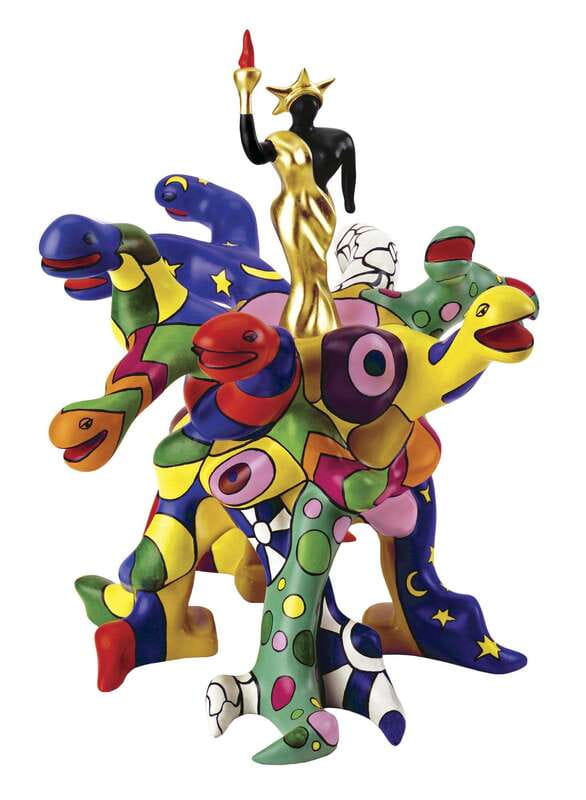
Niki de Saint Phalle runs from June 12, 2025, through January 4, 2026. It concentrates on the final two decades of the French-American artist’s life, beginning in 1978, when she started the monumental Tarot Garden in Italy. This should appeal to you if you like large-scale sculpture, color, and artists who work across public art and gallery settings.
Hyperrealistic Sculpture runs from February 26, 2026, through October 12, 2026. It brings together more than 30 sculptures by 25 international artists and follows the development of the human figure in sculpture since the 1970s.
These exhibitions change the value calculation. At $10, the museum is already a good buy for the permanent collection. A temporary show can make the admission especially strong, but only if its dates match your visit. Do not assume every named exhibition will be on display year-round.
Make the Plains of Abraham part of the visit
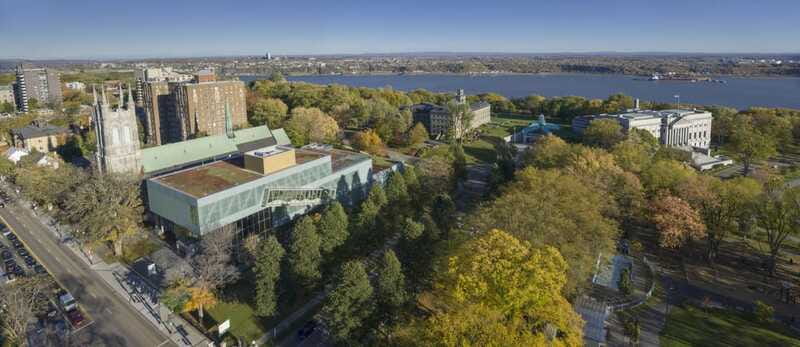
The museum’s location gives you a useful break from Quebec City’s denser historic streets. The Plains of Abraham cover 108 hectares, with open ground, trees, and gardens. You can combine art and fresh air without adding another admission or making a separate trip.
The back of the museum offers a view across the park and toward the St. Lawrence River. I would plan a short outdoor walk after the galleries rather than treating the park as a quick photo stop. On a clear day, it gives you room to reset after a crowded exhibition. On a rainy day, the museum itself remains the main reason to come, with the cloakroom making wet-weather visits easier.
The park also adds historical meaning. You are visiting a place tied to Quebec City’s battlefield history while seeing the province’s art in a modern museum complex. That contrast gives the day more depth than an indoor gallery alone.
Café Québecor and the museum shop
Food is not included in the $10 admission. Café Québecor is in the Pierre Lassonde Pavilion, along with a take-out counter and catering service for private events. The café is open to museum patrons and the general public, so you do not need to treat it as part of the ticket.
Its setting is the main draw. In the glass lobby, you get the sense of sitting outdoors while remaining inside, with views toward the Plains of Abraham and Grande Allée. The menu changes with the seasons and may reflect current museum programming. You can reserve a table before your visit if you want the café to be part of your plan.
The Librairie-Boutique is worth a quick stop even if you do not buy anything. It carries exhibition-inspired gifts, exclusive products, and a large selection of art books focused on Quebec and beyond. For a museum visit built around regional art, the shop is a better place to find a useful souvenir than a generic gift counter.
Access, parking, and practical timing
The museum is fully accessible, and wheelchairs are available as a courtesy. Baby strollers are also offered. The main practical issue is not accessibility but the current construction layout.
Parking behind the Charles Baillairgé Pavilion is open. From there, you must walk outside for several minutes to reach the Pierre Lassonde entrance at 179 Grande Allée Ouest. If you have heavy bags, a stroller, or limited mobility, plan that approach carefully and consider beginning directly at the Pierre Lassonde Pavilion when possible.
The ticket is valid for one day, and you should check availability for the starting times offered. This is not a guided group tour with a fixed sequence. You can set your own pace, take a café break, use the free audio guide, and return to a section that deserves another look during the valid visit period.
The activity is wheelchair accessible, and the museum provides practical services that make a longer visit less tiring. Still, the temporary pavilion closures mean you should allow extra time for orientation and outdoor movement between open areas.
Who will get the most from this ticket?
I would choose this museum for anyone who wants more than the standard Quebec City old-town sights. It suits art lovers, design fans, families looking for an indoor plan, and people who want a better understanding of Quebec’s cultural identity.
It is also a smart choice for a wet day. The museum offers enough variety for solo visitors, couples, and families, and the free cloakroom makes it easier to arrive with coats and umbrellas. The permanent collections are broad enough that not everyone in your group needs to like the same kind of art.
You may want to skip it if your schedule is extremely tight and you have only enough time for a quick look at one or two famous works. Construction has reduced access to parts of the complex, and the museum rewards a slower visit. If you can spare two hours or more, the $10 admission makes much better sense.
Should you book the MNBAQ ticket?
Yes, if you want an affordable, flexible museum visit with a strong Quebec focus. The four permanent exhibitions, Inuit art collection, Riopelle fresco, and Plains of Abraham setting give you more than a quick indoor attraction. The low price is particularly good when a scheduled special exhibition is included.
Before booking, check the exhibition dates, confirm the current pavilion route, and allow time to reach the Pierre Lassonde entrance from the parking area. I would book this for a rainy afternoon, a family day, or a morning when you want Quebec City culture without spending a great deal. It is less suitable for a rushed itinerary, but for a relaxed day of art and parkland, it is an easy choice.
FAQ
Where is the MNBAQ entrance?
The entrance is at the Pierre Lassonde Pavilion, 179 Grande Allée Ouest, in Quebec City.
How much does admission cost?
The stated price is $10 per person.
How long is the ticket valid?
The ticket is valid for one day. Check availability for the starting times offered.
What permanent exhibitions are included?
Admission includes Contemporary Art in Quebec, Us, Inuit Art, and Decorative Arts and Design in Quebec.
Is Jean Paul Riopelle’s Tribute to Rosa Luxemburg included?
Yes. The monumental fresco Tribute to Rosa Luxemburg is included with the museum admission.
Are special exhibitions included?
The activity includes special or blockbuster exhibitions scheduled during your visit. Exhibition dates and availability change, so check the current program before booking.
Where do I collect my ticket or bracelet?
You collect your bracelet at the ticket counter in the Pierre Lassonde Pavilion.
Is the museum wheelchair accessible?
Yes. The museum is fully accessible, and courtesy wheelchairs are available.
Is parking available?
The parking lot behind the Charles Baillairgé Pavilion is open. You must walk outside for several minutes to reach the Pierre Lassonde Pavilion entrance.
Are food and the café included in admission?
No. Café Québecor, its take-out counter, and other food services are separate from the museum admission.
Just added around Quebec City
- From Montreal: Quebec City & Montmorency Falls Full Day Trip★ 4.5 · 145 reviews
- Stoneham: Nordic spa Thermal Experience★ 4.9 · 20 reviews
- Quebec : Old Town Walking Tour With A Local Guide★ 4.5 · 38 reviews
- Quebec City’s History in Virtual Reality★ 4.5 · 141 reviews
- Quebec Interactive Street Theatre: “Crimes in New France”★ 4.6 · 175 reviews
- Quebec City: Winter Walking Tour in Old Quebec★ 4.9 · 30 reviews
- Québec: Fortifications-of-Québec Guided Walking Tour★ 4.7 · 60 reviews
- Quebec: Christmas Interactive Walking Tour of New France★ 4.3 · 7 reviews
Museums, compared.
Toronto: Royal Ontario Museum Admission Ticket
The full write-up →
Toronto: Art Gallery of Ontario General Admission Ticket
The full write-up →

Gatineau: Canadian Museum of History Admission
The full write-up →
Browse the lists this tour appears in