
Reviewed · MUSEUMS
Toronto: Bata Shoe Museum Entrance Ticket
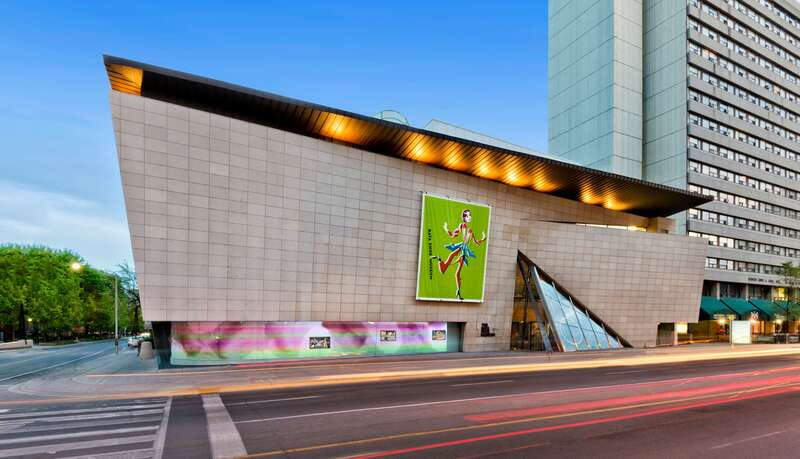
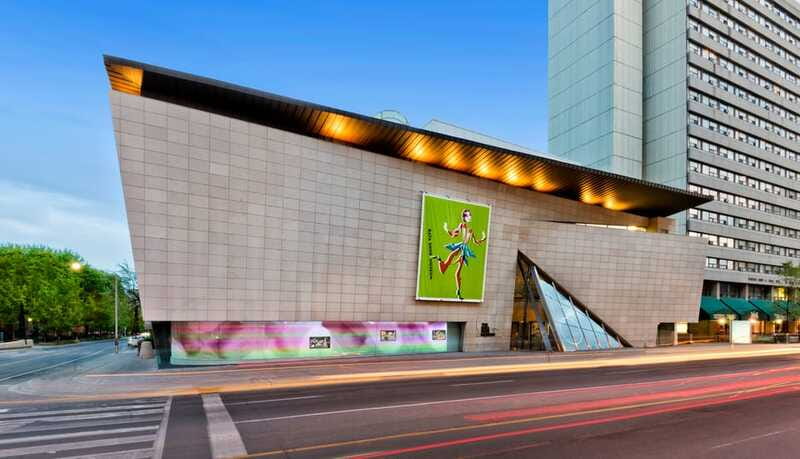
A museum about shoes could easily become a parade of pretty objects. The Bata Shoe Museum does more. Its collection uses footwear to explain 4,500 years of human history, from practical protection and traditional dress to fashion, status, and social change. The building itself looks like a giant shoebox, so the subject begins before you even reach the galleries.
I especially like two things here. First, the permanent All About Shoes display gives you a clear historical journey instead of leaving you to guess why each object matters. Second, the four gallery spaces keep the visit fresh with rotating exhibitions, including past displays devoted to designers such as Manolo Blahnik and traditional clothing from communities above the Arctic Circle. The main drawback is that some displays rely heavily on written information, and the museum does not provide an audio or visual guide as part of admission.
Key points to know before you go
- Four gallery spaces: You can move between permanent and rotating displays without committing to a long guided tour.
- A 4,500-year timeline: The basement exhibition explains how footwear changed across time and cultures.
- A striking Raymond Moriyama building: The shoebox-shaped design is a memorable part of the visit.
- Strong social history: Shoes are presented as clues to work, tradition, identity, fashion, and status.
- Good short-visit value: At $11, the museum works well as an hour-long stop, though shoe enthusiasts can spend longer.
- Easy downtown access: The museum is at 327 Bloor Street West and can be reached by subway, car, or rideshare.
The shoebox building on Bloor Street
The Bata Shoe Museum is at 327 Bloor Street West, in a part of Toronto that is easy to reach from downtown. You can arrive by subway, car, or Uber, though parking is not guaranteed. Street parking and paid parking may be available within walking distance, so public transit is the safer plan if you want a simple arrival.
The building was designed by Canadian architect Raymond Moriyama. Its contemporary form is shaped like a shoebox, but the interior is spacious and filled with light. I like this because the architecture gives the museum a clear personality without competing with the objects inside. It feels purpose-built, not like a temporary collection squeezed into an old office.
You receive general admission for the day, and complimentary WiFi is available on-site. The ticket has a listed price of $11 per person. That is a fair price for a museum visit of roughly an hour or two, especially if you take time with the historical displays and one of the changing exhibitions.
More Attraction Tickets in Toronto
- Toronto: Casa Loma Entry Ticket
★ 4.7 · 2,705 reviews - Toronto: Ripley’s Aquarium of Canada Entry Ticket
★ 4.7 · 1,748 reviews - Toronto: Royal Ontario Museum Admission Ticket
★ 4.6 · 1,237 reviews
Start with All About Shoes
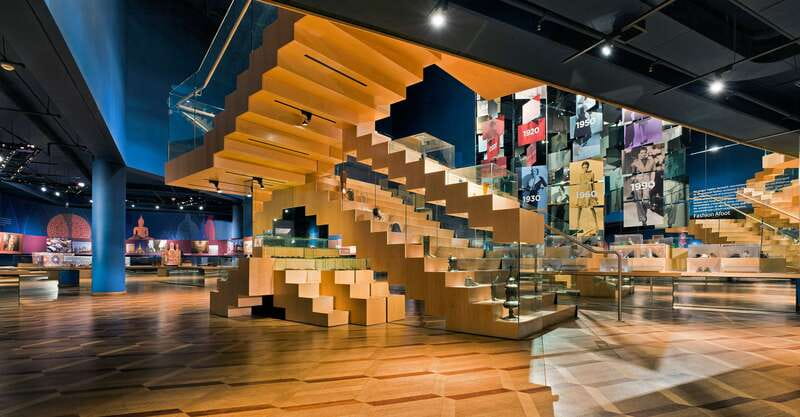
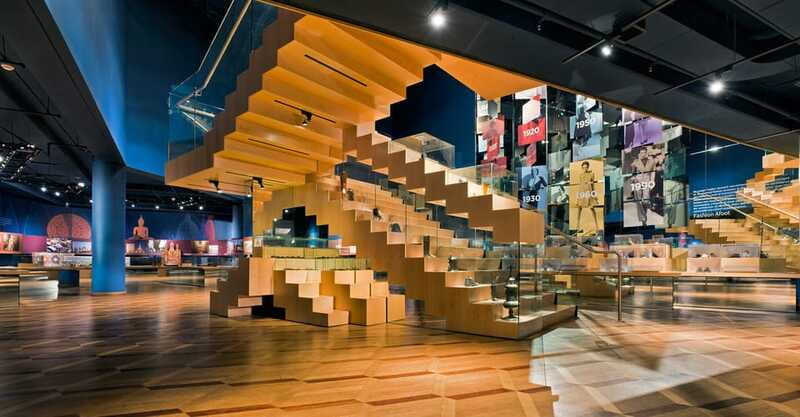
Begin with All About Shoes, the permanent exhibition. This is the museum’s main historical route and the best place to get your bearings. It presents footwear across 4,500 years, showing how shoes have been shaped by climate, work, religion, social customs, technology, and fashion.
The permanent exhibition is particularly useful because it turns a collection of individual shoes into a story. A shoe is not only something worn on the foot. It can reveal what materials were available, what kind of work people did, how a community dressed, or how a society marked rank and ceremony.
The oldest historical material is displayed on the lower level. Plan to spend real time there rather than treating the basement as an afterthought. The older artifacts and replicas provide the clearest explanation of how modern footwear developed. If you have limited time, this is the section I would not skip.
Some displays show the object itself, while others use replicas to help explain forms that are too rare or fragile to handle. That mix makes the collection easier to understand. You get the visual pleasure of unusual footwear, but you also receive enough context to see why it was made and worn.
The exhibit can feel text-heavy if you prefer audio or video interpretation. One visitor specifically wished for an audio and visual presentation, and that is a reasonable point. You should expect to read the labels rather than rely on a recorded guide.
Four galleries, four different ways to see footwear
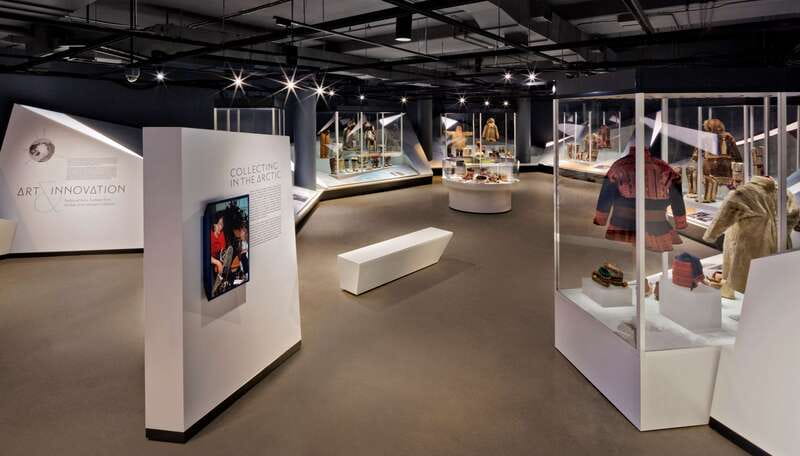
The museum’s four innovative gallery spaces allow it to show more than one kind of shoe story. The displays rotate, so the exact subjects can change. That is good news for repeat visits, but it also means you should check the current exhibitions if one particular designer, culture, or period interests you.
The galleries may include fashion displays, historic artifacts, social history, and objects connected with regional traditions. The museum’s collection was built from footwear gathered by founder Sonja Bata, and its scope reaches well beyond ordinary Western footwear.
One past exhibition focused on Manolo Blahnik. That type of display shows how the museum can present footwear as design and art, not only as an object of daily use. Another area has drawn attention to clothing and footwear traditions from peoples living above the Arctic Circle. These subjects give the visit a wider frame and prevent the collection from becoming only a display of luxury shoes.
I like the changing-gallery format because it gives the museum two speeds. You can make a quick visit centered on the permanent exhibition, or spend longer with the temporary rooms when a subject catches your interest. The tradeoff is that a display you hope to see may not be available on your date.
Why the social history matters
The strongest part of the museum is the way shoes open a door into ordinary life. Footwear tells you about movement, weather, occupation, ceremony, beauty, and power. A collection of shoes can therefore say a great deal about people who may be separated from you by time or geography.
That approach also makes the museum suitable for people who are not serious shoe collectors. You do not need to know designers or construction methods before arriving. The objects are visually easy to enjoy, while the labels help explain their wider meaning.
The museum also shows how footwear can become a marker of identity. Traditional shoes may reflect local materials and customs. Fashion shoes may signal status or a designer’s particular style. Work shoes can show the demands placed on the wearer. Seen this way, the subject becomes social history with a very practical starting point.
The collection includes both gorgeous specimens and replicas. That balance is useful, since a museum cannot display every fragile or significant object in original form. Still, if you are hoping to see every item held by the institution, do not expect a complete storage display. The public galleries present selected material rather than the entire collection.
More Museum Tours in Toronto
- Royal Ontario Museum Admission
★ 4.5 · 411 reviews - Toronto: Art Gallery of Ontario General Admission Ticket
★ 4.6 · 251 reviews - Museum of Illusions Admission in Toronto
★ 3.5 · 214 reviews - Toronto: Royal Ontario Museum Special Exhibits Voucher
★ 4.7 · 65 reviews
How long should you allow?
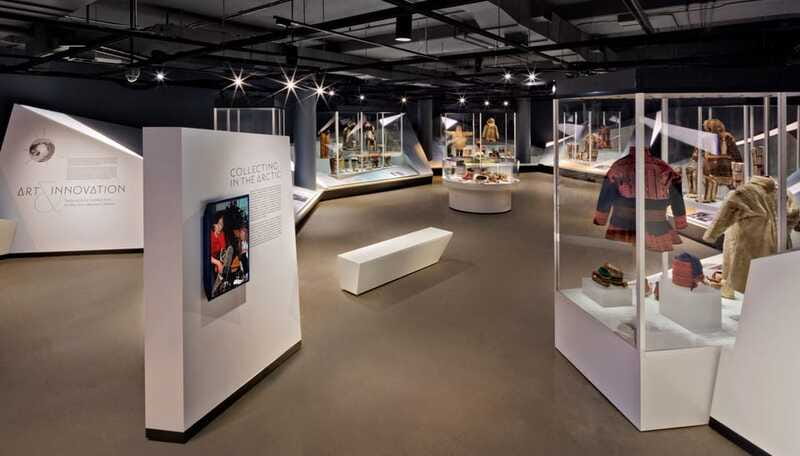
For a focused visit, allow about an hour. That gives you time to see the permanent exhibition and move through the gallery spaces without rushing. If you read most labels, study the older artifacts, and spend time with a temporary exhibition, plan on closer to two hours.
The ticket is valid for one day, so you have flexibility during your visit. The experience is not a guided tour with a fixed departure time. Instead, you explore at your own pace, with an English-speaking host or greeter available as part of the museum experience.
This makes the Bata Shoe Museum easy to add to a Toronto sightseeing day. It can fill a short gap between other Bloor Street stops, or it can become a more deliberate cultural visit. At $11, it is less of a financial commitment than many large attractions, and you do not need half a day to feel that you saw the main collection.
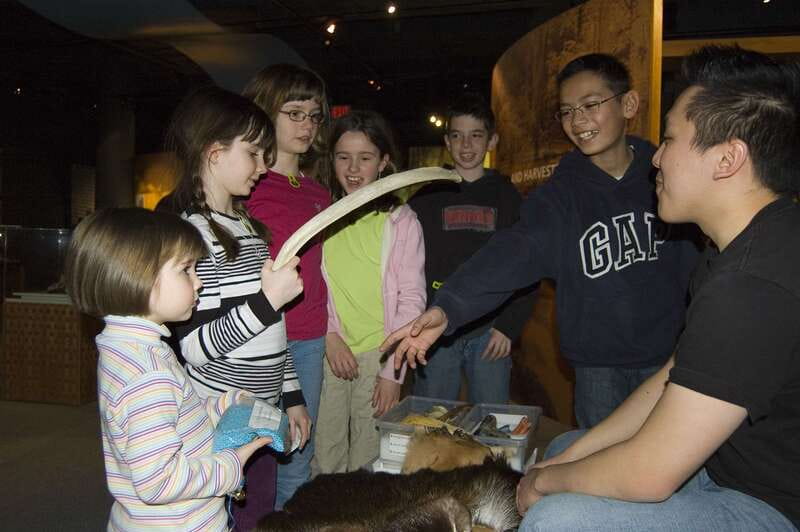
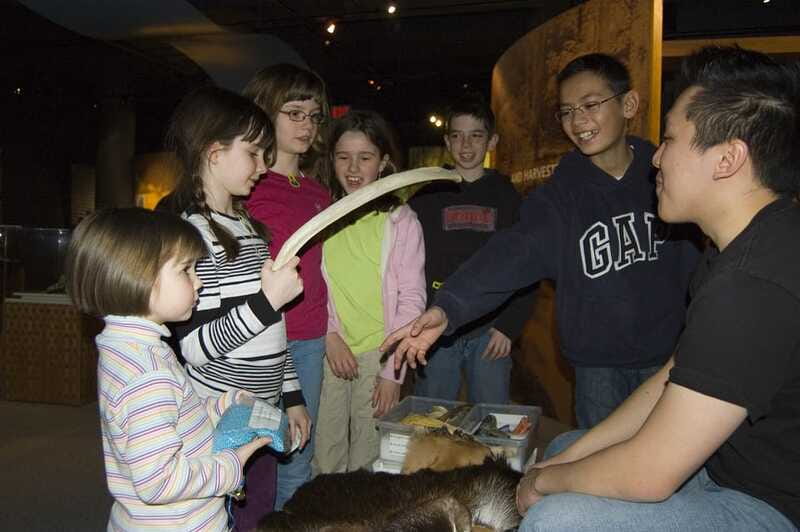
The visit is also suitable for a parent and child who enjoy looking at unusual objects together. The colors, materials, shapes, and historic examples give younger visitors plenty to notice, while the social context gives adults something more substantial to consider.
Practical comfort and access
The museum is wheelchair accessible, which is important for visitors who need step-free access. Smoking is not allowed. The provided information does not list food service, special child facilities, or a museum audio app, so do not plan the visit around those features.
Restrooms are available in the basement. That arrangement may be inconvenient if you need a facility during the middle of the visit, particularly if you are moving between galleries on another level. It is a small point, but useful to know before you begin.
The museum provides free WiFi. That is handy for checking current exhibition details or planning your next Toronto stop, although you should not confuse WiFi access with a digital tour. The standard admission does not include a dedicated audio or video guide.
The museum’s listed language is English. If you need French interpretation, confirm what is available before booking, as past displays have not always offered information in both of Canada’s official languages.
Value at $11 per person
At $11, the Bata Shoe Museum offers good value for a short cultural stop. You receive access to four gallery spaces, the permanent 4,500-year footwear display, and changing exhibitions. The value is strongest if you enjoy history, design, fashion, anthropology, or objects with a story behind them.
The price may feel less compelling if you only want a quick look at famous designer shoes. The museum is not simply a fashion display, and its best material requires some reading. You are paying for the interpretation as well as the objects.
The admission also works well as part of a museum day. One past visitor noted that the Bata Shoe Museum could be combined with the Textile Museum and the Gardiner Museum for a better overall deal. Even without a combined pass, the nearby cultural options make this a practical area for several smaller museum visits.
Free cancellation up to 24 hours before the visit and a reserve-now, pay-later option add flexibility. Those terms are useful if your Toronto schedule is still changing, but the main reason to book is the modest price and compact visit length.
Who will enjoy this museum most?
I would recommend the Bata Shoe Museum to:
- People interested in fashion and design
- Families looking for an unusual indoor activity
- Visitors who enjoy cultural history told through everyday objects
- Anyone curious about traditional clothing and footwear from around the world
- Museum fans who prefer focused collections to huge general museums
- Toronto visitors with one or two spare hours near Bloor Street
It is less suitable if you want a highly interactive attraction, a guided tour, or a large audio-visual production. The museum’s pleasure comes from looking closely, reading, and connecting objects to the people who used them.
You should also check the current exhibition schedule if you are visiting for a particular designer. A Manolo Blahnik display was a strong past attraction, but rotating exhibitions change. The permanent collection is the reliable reason to go.
Should you book the Bata Shoe Museum?
Yes, if you want an affordable and unusual Toronto museum visit. The permanent All About Shoes exhibition gives the museum a clear purpose, while the four rotating galleries add variety. I particularly value the lower-level historical display, the global reach of Sonja Bata’s collection, and the way shoes reveal social customs rather than serving only as decoration.
Book it if you can spare one to two hours and do not mind reading exhibit labels. Skip it if you need a fully guided, highly interactive experience or if your main interest is only current fashion. For most visitors, $11 is a sensible price for a focused museum with a memorable building and a subject that proves more revealing than it first appears.
FAQ
Where is the Bata Shoe Museum?
The museum is located at 327 Bloor Street West in Toronto, Ontario.
How much does admission cost?
The listed price is $11 per person for general admission.
How long is the ticket valid?
General admission is valid for one day.
How long should I spend at the museum?
Plan on about one to two hours, depending on how closely you read the displays and how much time you spend in the rotating exhibitions.
What can I see at the Bata Shoe Museum?
You can explore four gallery spaces, rotating exhibitions, and the permanent All About Shoes exhibition, which covers 4,500 years of footwear history.
Is the museum wheelchair accessible?
Yes, the museum is wheelchair accessible.
Is WiFi available?
Yes, complimentary WiFi is available on-site.
What language is used at the museum?
The listed language is English, including the host or greeter service.
Can I cancel my booking?
Yes. You can cancel up to 24 hours in advance for a full refund. The reserve-now, pay-later option also lets you book without paying immediately.
Just added around Toronto
- Toronto: Craft Brewery Tour★ 5.0 · 8 reviews
- Toronto Waterfront and Islands Guided Bicycle Tour★ 4.9 · 80 reviews
- Toronto: Toronto Raptors NBA Game Ticket at Scotiabank Arena★ 4.6 · 88 reviews
- Toronto: Must Do NonTouristy Street Art Tour by local Artist★ 4.9 · 30 reviews
- Toronto: Toronto Zoo Entry Ticket★ 4.1 · 68 reviews
- Toronto: Short Distillery District Segway Tour★ 4.8 · 55 reviews
- Toronto: Toronto Maple Leafs Game Ticket at Scotiabank Arena★ 4.6 · 43 reviews
- Toronto: Sailing Yacht Cruise of Toronto Harbor and Islands★ 4.7 · 12 reviews
Museums, compared.
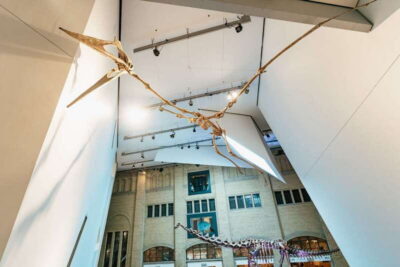
Toronto: Royal Ontario Museum Admission Ticket
The full write-up →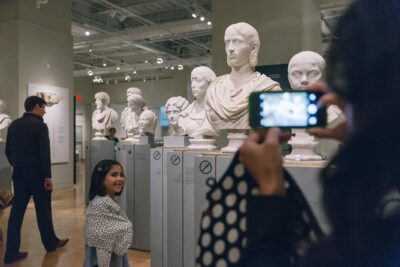
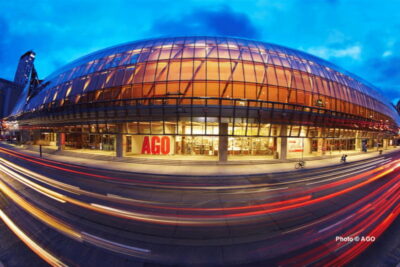
Toronto: Art Gallery of Ontario General Admission Ticket
The full write-up →

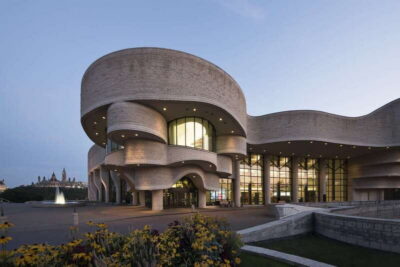
Gatineau: Canadian Museum of History Admission
The full write-up →
Browse the lists this tour appears in