
Reviewed · MUSEUMS
Oshawa: Canadian Tank Museum Admission
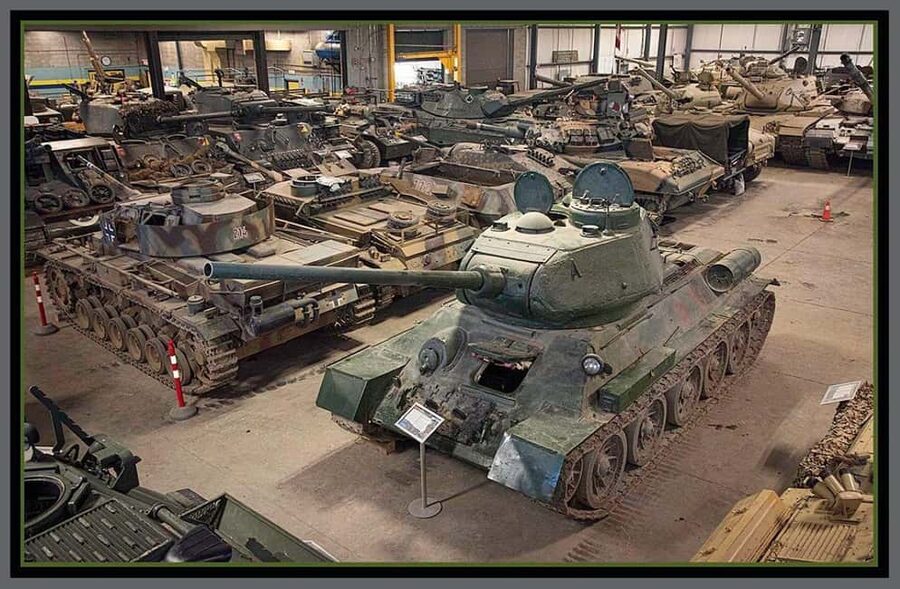
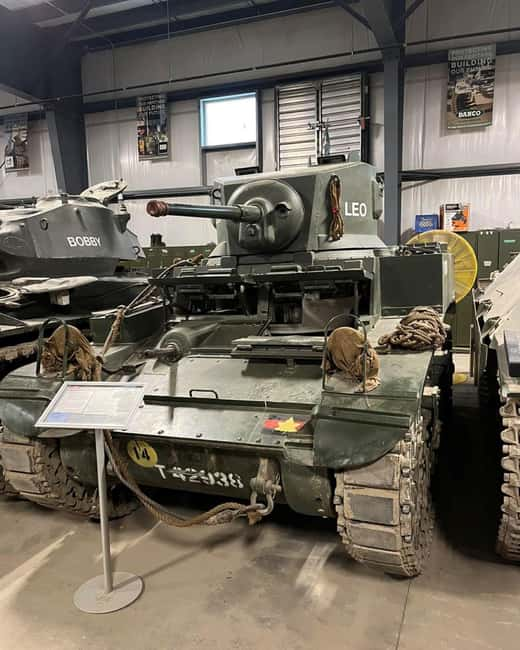
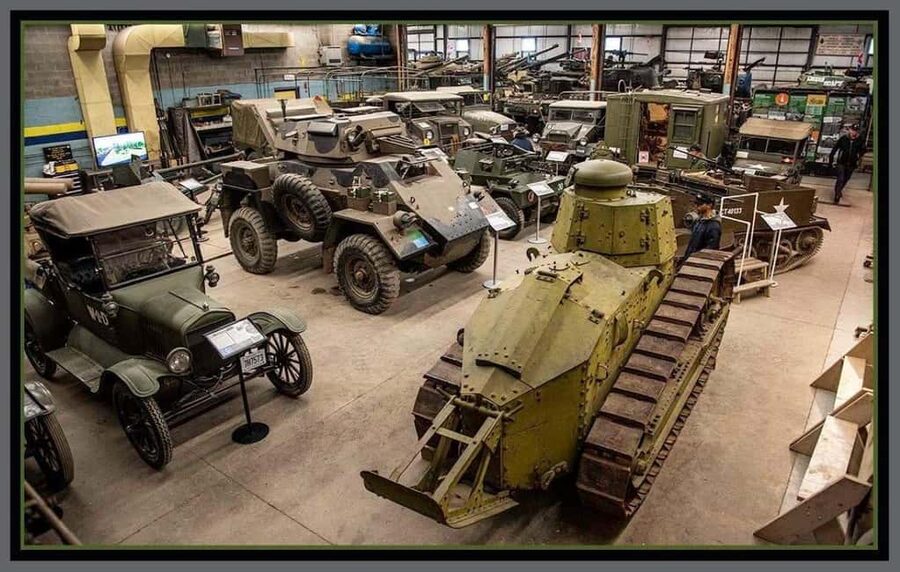
The Canadian Tank Museum puts you close to more than 170 military vehicles, many of them operational. That changes the visit from a quiet display of old machines into a place where history may rumble, turn, and move under its own power.
I like the chance to speak with veteran guides, who can connect the vehicles to the people who served them. I also like the active restoration work, since you see that preserving military history takes real labor, not just polished display cases.
The main consideration is that this is a museum admission rather than a scheduled ride or tightly timed tour. A vehicle may be on the move, but that is not guaranteed, and food and drinks are not included.
Key points to know before you go
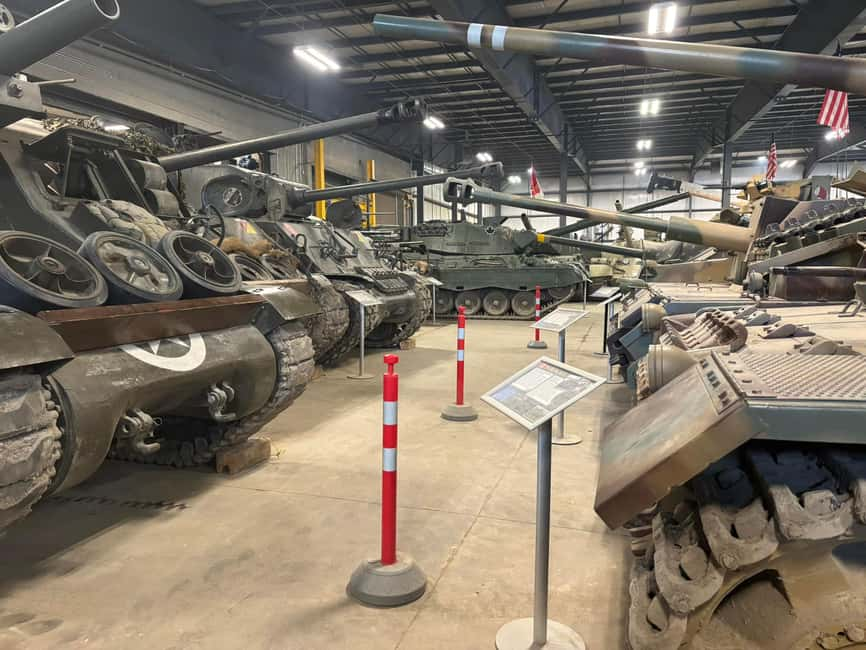
- More than 170 operational military vehicles: This is a working collection, not simply a row of static exhibits.
- Canada’s armoured forces take center stage: The museum tells the story of the Royal Canadian Armoured Corps and the Ontario Regiment RCAC.
- Veterans serve as guides: Ask questions and give yourself time for personal stories about military service.
- Restoration happens in view: You can see the ongoing work needed to keep historic vehicles running.
- A full day for $10: Admission covers the museum and permanent exhibitions, making it an inexpensive stop for a history-minded day in Oshawa.
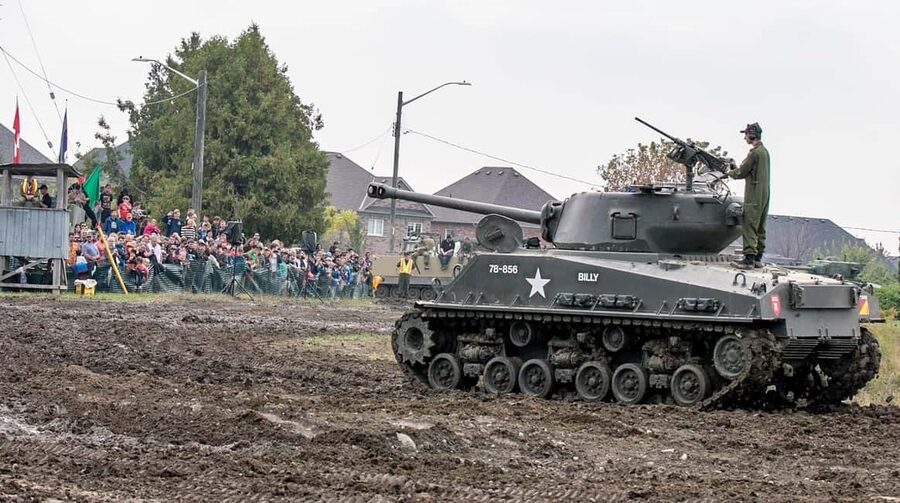
- Vehicle movement is possible, not promised: The museum may demonstrate a historical vehicle, but treat that as a bonus rather than the main plan.
Why the Canadian Tank Museum feels different
Many military museums ask you to look at old vehicles and imagine how they operated. Here, the collection includes the largest number of operational military vehicles in North America, with more than 170 machines in total. That gives the museum a practical edge: you are not only seeing the hardware, you are learning how it has been preserved and prepared for use.
Operational does not mean every vehicle will run during your visit. It does mean the collection has an active purpose beyond storage. Some vehicles are being restored, maintained, or prepared for demonstration. If you enjoy engineering, mechanics, or the working side of museums, this part may hold your attention as long as the finished exhibits.
The museum also tells a national story through a local institution. It is the official unit museum of the Ontario Regiment RCAC, the Canadian Army regiment based in Durham Region. That connection gives the displays a clear focus instead of turning the visit into a general survey of every conflict and every branch of the military.
More Museum Tours in Toronto
- Toronto: Royal Ontario Museum Admission Ticket
★ 4.6 · 1,237 reviews - Royal Ontario Museum Admission
★ 4.5 · 411 reviews - Toronto: Art Gallery of Ontario General Admission Ticket
★ 4.6 · 251 reviews
Following Canada’s armoured forces from 1866
The story begins with the formation of militia units in Canada and reaches back to 1866. The collection includes both large vehicles and smaller artifacts, allowing the museum to connect military equipment with the regiment and its people.
That date matters because it places tanks within a much longer military tradition. You are not looking only at the development of armoured vehicles. You are also seeing how Canadian militia units, regimental identity, and the Royal Canadian Armoured Corps developed over time.
The displays are especially useful if you know little about Canada’s armoured forces. The vehicles give you an immediate point of interest, while the smaller artifacts help explain the people and units behind them. If you already follow military history, you will likely spend more time comparing vehicle types, restoration details, and the changes in design across different periods.
The museum’s charitable role also shapes the visit. Its work includes restoration, display, and demonstration for the public and the Canadian Armed Forces. Your admission supports a place that is still doing preservation work, rather than a collection that is finished and simply waiting for visitors.
What you can expect during a one-day visit
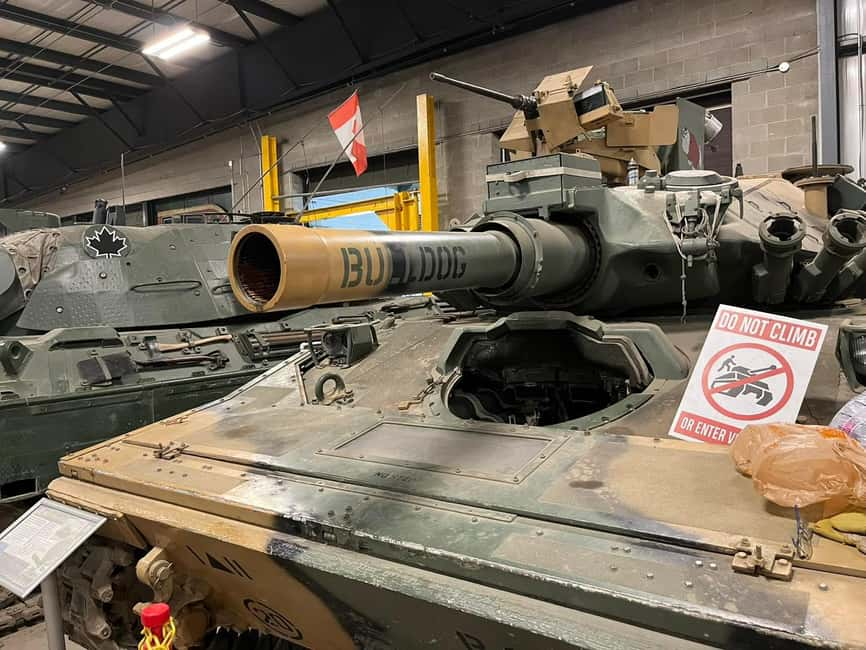
Your admission is valid for one day, so you can set your own pace. There is no fixed route or timed tour described for the experience. I would plan to move through the permanent exhibitions first, then return to the vehicles and restoration areas that hold your interest.
Start by getting a sense of the full collection. Large military vehicles naturally grab attention, but do not rush past the smaller objects. They provide the human and regimental context that a tank alone cannot convey.
Next, spend time with the vehicles themselves. Look at their size, shape, equipment, and signs of restoration. A static vehicle can tell you about design, but an operational collection also raises practical questions: how was it repaired, how is it stored, and what must be done to keep it safe to demonstrate?
The museum’s layout and daily activity may affect how long you spend in each area. Some visits will lean toward the exhibits, while others may center on conversations with volunteers and veteran guides. Since the admission lasts for the day, you do not need to treat the museum as a quick photo stop.
If a historical vehicle is being demonstrated, it may become the highlight of your visit. Still, the information provided does not promise a set demonstration schedule. Think of movement as an added possibility, not a service included at a particular hour.
Meeting veteran guides and hearing first-hand stories
The museum’s veteran guides are one of its strongest reasons to slow down. You can ask about the vehicles, the regiment, restoration work, and military service. This kind of conversation can add meaning that a label cannot provide.
I would prepare a few questions before arriving. You might ask how a vehicle was used, what makes restoration difficult, or how the Royal Canadian Armoured Corps fits into Canada’s military story. The guides can also help connect a machine to the people who operated and maintained it.
The personal side is important even if you arrive mainly for the hardware. Someone who begins the visit with only a mild interest in tanks may find the stories more engaging than expected. The museum works for couples and mixed-interest groups because one person can focus on military equipment while another connects with the human accounts.
Do not assume that a short chat will answer everything. Volunteers are generous with their time, but the quality of your conversation will depend partly on the questions you bring and who is available that day. That is a fair trade for an authentic, volunteer-led museum experience.
Same trip, a completely different kind of day out:
- Toronto: Casa Loma Entry Ticket
★ 4.7 · 2,705 reviews - Toronto: Harbor and Islands Sightseeing Cruise
★ 4.7 · 2,566 reviews - Toronto: City Sightseeing Hop-On Hop-Off Bus Tour
★ 4.3 · 2,544 reviews - Toronto: Ripley’s Aquarium of Canada Entry Ticket
★ 4.7 · 1,748 reviews
Watching restoration work in progress
The active restoration areas give the museum a useful sense of motion. Instead of presenting military vehicles as finished objects from the past, they show that preservation is ongoing.
Restoration can be slow and technical. A vehicle may need work on its structure, mechanical systems, surfaces, or smaller components before it can safely move. You might find a vehicle at different stages of that process, which means the collection can look different from one visit to the next.
For children and adults who like machines, this may be as interesting as the formal exhibitions. It shows why an operational collection costs time and money to maintain. A tank is not simply an oversized artifact. It is a complex vehicle that needs care if the museum wants to demonstrate it.
The drawback is that restoration areas do not offer the neat finish of a completed exhibit. You may see incomplete work, equipment, or vehicles that are not ready to operate. That is not a flaw in the museum. It is part of seeing conservation honestly, but visitors expecting every machine to look ready for a parade should adjust their expectations.
The value of a $10 admission
At $10 per person, this is an easy museum visit to add to an Oshawa day. Admission includes access to the Canadian Tank Museum and its permanent exhibitions. You are not paying separately for a short viewing window or a single special display.
The value comes from time as much as from the collection. A quick visit may make the price look inexpensive, but the one-day validity lets you take a slower approach. You can study the vehicles, talk with guides, watch restoration work, and return to displays without trying to finish everything in an hour.
The price is also attractive for mixed groups. A history enthusiast can spend serious time with the armoured vehicles, while a less committed companion can still find the scale of the collection and the veteran conversations worthwhile. One visitor arrived mainly to accompany a spouse with a passion for history and found the museum more engaging than expected. That is a useful clue for couples who do not share the same interests.
Food and drinks are not included. Plan for that separately, since the supplied details do not identify any food service or meal option at the museum. The admission is for the museum itself, not a packaged meal or vehicle ride.
Who will get the most from this museum
The obvious audience is anyone interested in tanks, armoured vehicles, Canadian military history, or mechanical restoration. You will have plenty to examine, and the operational focus gives the collection unusual energy.
It also suits families and couples with different levels of interest. The large vehicles create an immediate visual draw, while the veterans’ stories provide a more personal reason to stay. You do not need specialist knowledge to begin, and you can ask guides to explain the details that puzzle you.
The museum is a good choice for anyone who prefers working collections to polished attractions. You may see a vehicle being restored rather than presented as perfect. You may speak with a volunteer rather than follow an audio guide. You may see a vehicle move, but you may also spend the day with machines at rest.
It is less suitable if you want a guaranteed ride, a fixed military reenactment, or a tightly scheduled tour. The information available promises the possibility of a historical vehicle in motion, not a set demonstration at a specified time. Plan around the museum’s permanent displays first.
Practical planning for Oshawa
The museum is in Oshawa, Ontario, and the experience is sold as a one-day admission. Check availability for the starting time shown when you reserve, since the activity information asks you to check for current timing.
The booking terms allow you to cancel up to 24 hours in advance for a full refund. You can also reserve now and pay later, which is helpful if your Oshawa plans may change.
No transport is included in the admission details, so you should arrange your own way to the museum. Food and drinks are also outside the admission price. Those are small points, but they matter when you are planning a full day around a museum without a bundled meal or transport service.
The experience is provided by the Canadian Tank Museum, a charitable organization focused on education, preservation, and demonstrations. That mission helps explain why the visit combines exhibits, restoration, and conversations with veterans instead of offering only a standard gallery route.
Is the Canadian Tank Museum worth booking?
Yes, if you want an affordable and substantial museum visit with a strong Canadian focus. The $10 price gives you access to more than 170 military vehicles, permanent exhibitions, restoration work, and the chance to speak with veteran guides.
Book it especially if you appreciate machines that still work, museums with a local regimental connection, or first-hand stories from people who served. Go in with the right expectation: this is not a guaranteed tank ride or a fixed guided tour. It is a full-day museum visit where a moving vehicle may provide an extra thrill.
If you are unsure because you are not a military enthusiast, I would still consider it. The collection’s size, the scale of the vehicles, and the personal conversations can carry the visit beyond technical details. Bring curiosity, allow time to talk, and let the museum show you why preserving these machines matters.
FAQ
Where is the Canadian Tank Museum?
The Canadian Tank Museum is in Oshawa, Ontario, Canada.
How much does admission cost?
Admission costs $10 per person.
How long is admission valid?
Your admission is valid for one day.
What does admission include?
Admission includes entry to the Canadian Tank Museum and access to its permanent exhibitions.
Can I see military vehicles being restored?
Yes. The museum includes access to active vehicle restoration work.
Will I see a historical vehicle moving?
You might. The museum may have a historical vehicle on the move, but a demonstration is not guaranteed.
Can I cancel my booking for a refund?
Yes. You can cancel up to 24 hours in advance for a full refund.
Just added around Toronto
- Toronto: Craft Brewery Tour★ 5.0 · 8 reviews
- Toronto: Toronto Raptors NBA Game Ticket at Scotiabank Arena★ 4.6 · 88 reviews
- Toronto Waterfront and Islands Guided Bicycle Tour★ 4.9 · 80 reviews
- Toronto: Must Do NonTouristy Street Art Tour by local Artist★ 4.9 · 30 reviews
- Toronto: Toronto Zoo Entry Ticket★ 4.1 · 68 reviews
- Toronto: Short Distillery District Segway Tour★ 4.8 · 55 reviews
- Toronto: Toronto Maple Leafs Game Ticket at Scotiabank Arena★ 4.6 · 43 reviews
- Toronto: Sailing Yacht Cruise of Toronto Harbor and Islands★ 4.7 · 12 reviews
Museums, compared.
Toronto: Royal Ontario Museum Admission Ticket
The full write-up →

Toronto: Art Gallery of Ontario General Admission Ticket
The full write-up →


Gatineau: Canadian Museum of History Admission
The full write-up →

Browse the lists this tour appears in