
Reviewed · NIAGARA FALLS TOURS
Niagara Parks: Power Pass + Falls Incline Railway
The best part of this Niagara experience comes at the end of the tunnel, not the beginning. After descending 180 feet by glass elevator and walking roughly 10 to 15 minutes through the old tailrace tunnel, you reach an observation deck beside the river and look up at Horseshoe Falls from an unusual low angle. I especially like the rare view from the water’s edge and the freedom to visit the power station once by day and again at night.
I also like the restored machinery, interactive displays, and the included Falls Incline Railway, which connects the Fallsview area with Table Rock Centre. The main consideration is that this is self-guided, not a live tour, and some people may find $26 a little high for an attraction without a guide. Plan at least two hours, and closer to three if you want to take your time.
Key points to know before you go
- A 2,200-foot tunnel leads to the falls: The long underground passage ends at an observation deck beside the Niagara River.
- The glass elevator drops 180 feet: This gives you a clear sense of how far below the power station the tunnel sits.
- One ticket covers day and night visits: Explore the machinery in daylight, then return after dark for illuminated falls and the Currents show.
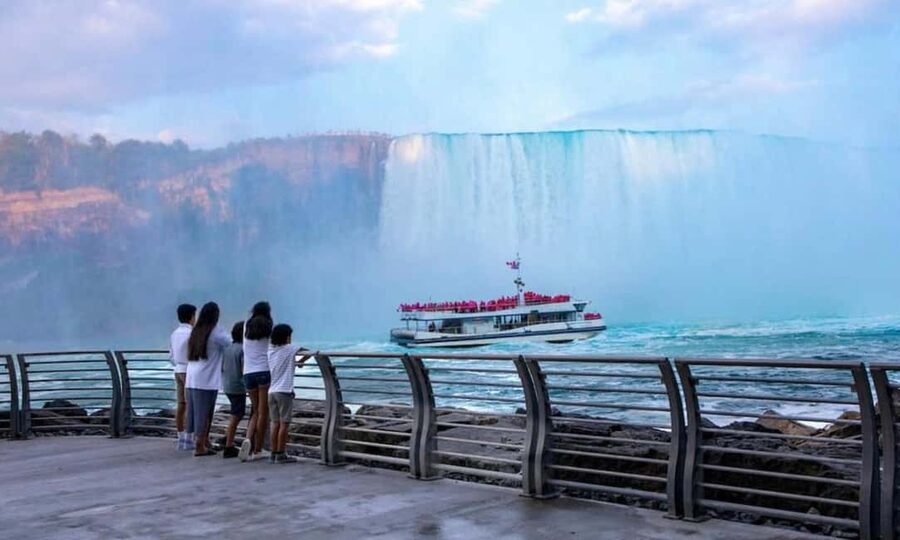
- The view is different from the usual lookout: You look up at Horseshoe Falls from river level rather than across from a standard viewing platform.
- The visit is self-guided: Audio tours and interactive exhibits explain the engineering, construction, and power-making process.
- The Falls Incline Railway is included: It offers a quick, climate-controlled link between the Fallsview Tourist area and Table Rock Centre.
Why the tunnel is the real payoff
Niagara Falls is easy to admire from the usual viewpoints. You see the water rushing over the brink, hear the roar, and feel the spray. The Power Station experience gives you something different: a look behind the falls’ power and a route toward a low observation point that most casual sightseeing does not provide.
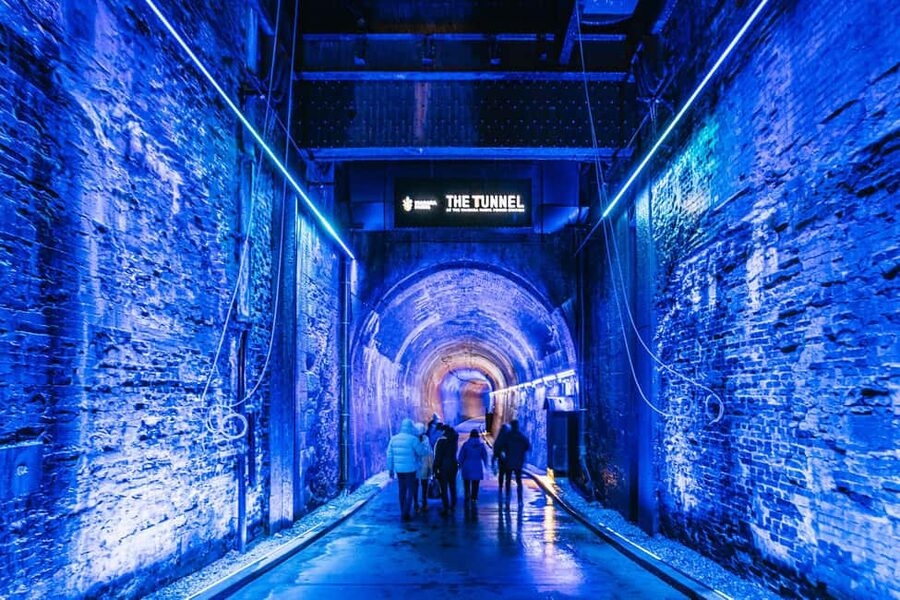
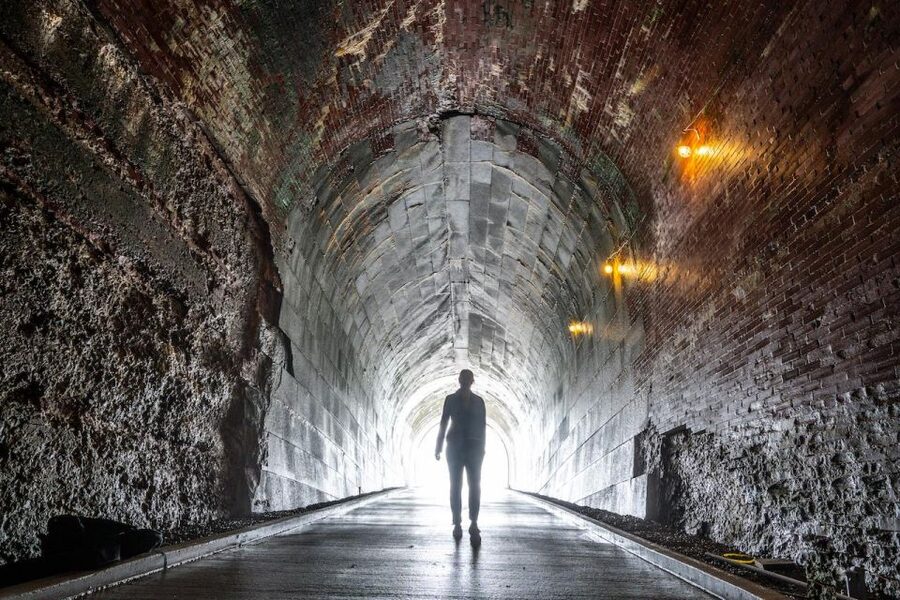
The tunnel is about 2,200 feet long. It was built with basic tools, including lanterns, pickaxes, shovels, and rudimentary dynamite. That detail matters because the walk is not simply a passage to a viewing platform. It shows how workers once directed Niagara’s water through a huge industrial system.
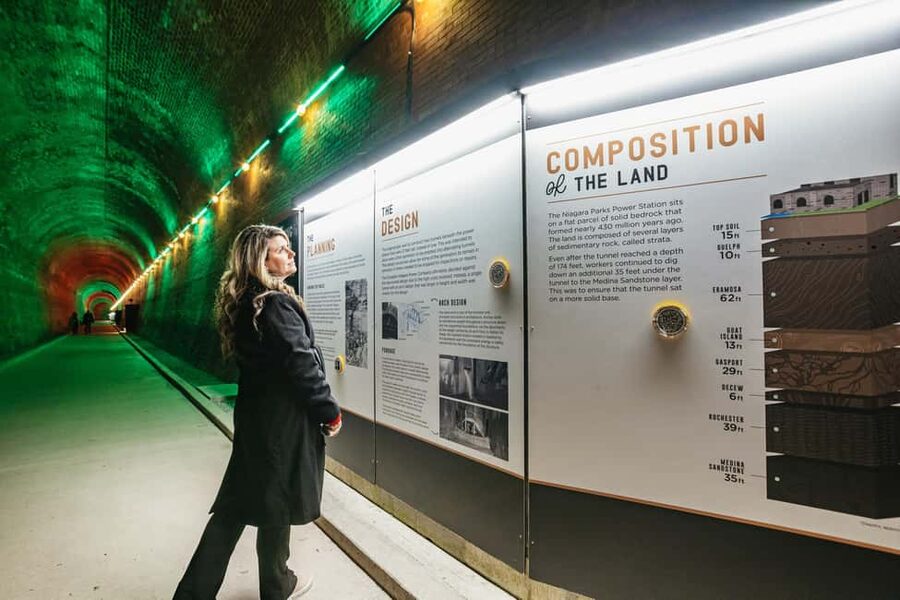
You’ll walk through a broad underground route rather than a tight cave. The tunnel is self-guided, so you set your own pace and use the provided audio material to learn about its construction and purpose. If you like engineering, old machinery, or the practical story behind major public works, allow time for the explanations instead of hurrying to the falls.
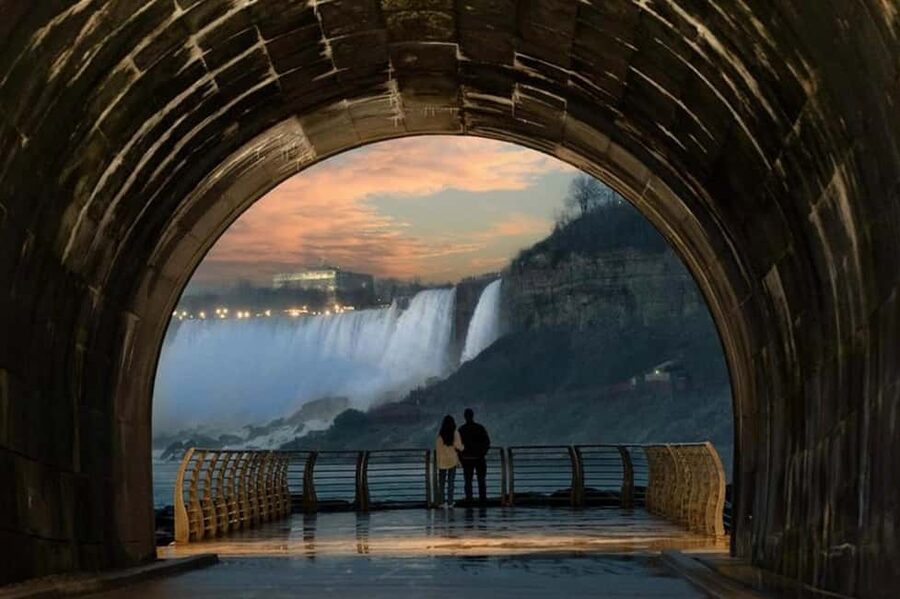
At the far end, step onto the observation deck at the river’s edge. A poncho is provided, which is useful because the spray can be strong. The view is especially striking because you are looking upward toward the falls from below rather than simply facing the front of them.
This perspective is the attraction’s strongest visual moment. It does not replace the broad views from Table Rock or other Niagara viewpoints, but it adds a fresh angle. You feel closer to the force of the water, and the setting makes the old tunnel feel worthwhile.
More trips by rail from Niagara Falls:
- Bicyle Tour on Historical Kettle Valley Railway from Myra Canyon to Penticton
★ 5.0 · 62 reviews - Guided Bike Tour on Historical Kettle Valley Railway at Myra Canyon & Wine Tour
★ 5.0 · 19 reviews - Exporail, the Canadian Railway Museum
★ 4.2 · 5 reviews
Inside Niagara Parks Power Station
Begin in the former power station, located at 7005 Niagara Parkway between Table Rock Welcome Centre and the Floral Showhouse. This was the first major power plant on the Canadian side of the Niagara River, and the building is presented as both a museum and an operating story about electricity.
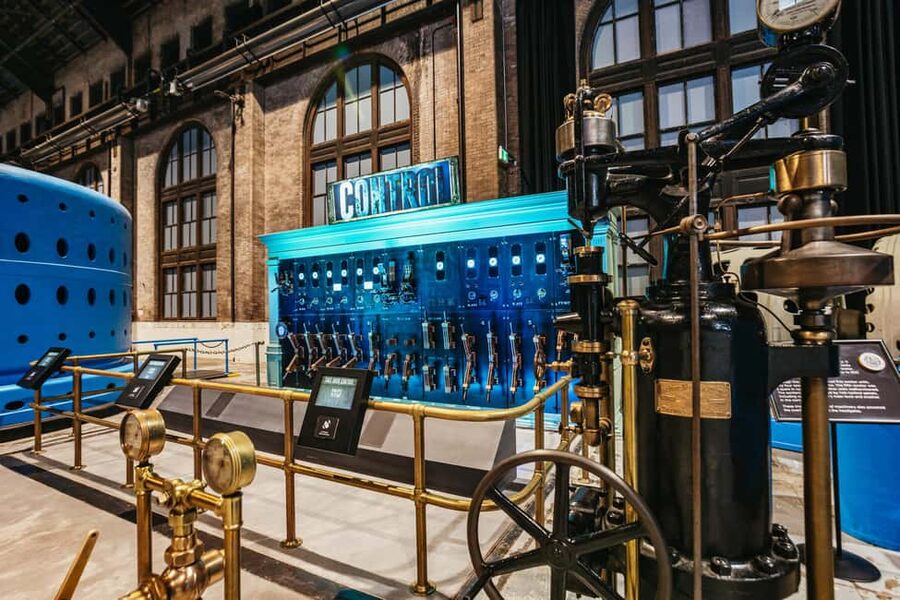
The displays lead you through the generator hall, where the scale of the equipment helps explain the work once done here. You’ll see restored artifacts, interactive exhibits, and material about the people and systems required to turn moving water into electricity.
I like that the attraction does not treat the machinery as background decoration. The information focuses on how the facility was built, how it worked, and what it took to keep such a plant running. The story gives context to Niagara Falls itself. You are not only looking at a natural wonder. You are seeing why its water became such a valuable source of power.
The audio guide helps fill in the details. It is complimentary and self-guided, with English information available. Since there is no live guide leading a group, you can pause at displays that interest you and move past sections that feel less important.
That freedom is useful, but it also creates the main weakness. A good live guide can answer questions and connect the machinery to the larger story. Here, you need to rely on the audio content and displays. The attraction works best for people who enjoy setting their own pace and reading or listening as they go.
Descending 180 feet by glass elevator
The elevator ride changes the character of the visit. You descend 180 feet in a glass-paneled elevator toward the tailrace tunnel. The clear walls make the vertical drop part of the experience rather than a hidden transfer between floors.
Once below, the tunnel gives you a sense of the power station’s physical scale. The plant is not just a grand hall with old machines. It extends underground toward the river, where water once played a direct role in the plant’s work.
I would not rush through this section. The elevator and tunnel help connect the modern attraction to the original infrastructure. You can better understand the distance between the generator hall and the river, and why the construction required so much effort.
The walk to the observation deck takes roughly 10 to 15 minutes. The total tunnel visit can fit into a two-hour stop, though three hours is a better allowance if you want to study the exhibits, listen to the audio, walk slowly, and spend time at the falls.
The route is wheelchair accessible, and the attraction is open year-round. The included poncho is a practical touch at the deck, especially when spray reaches the platform.
The daytime visit and the nighttime return
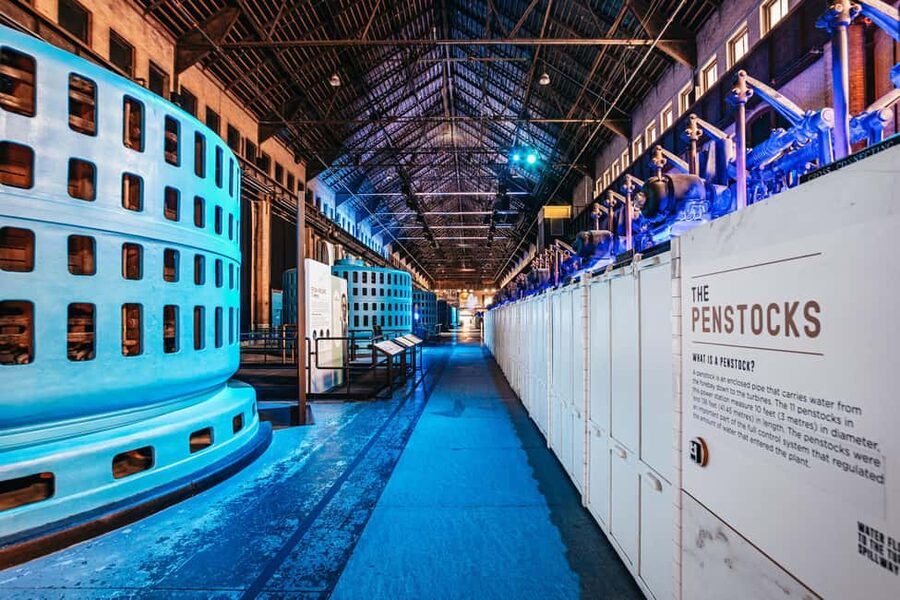
The Power Pass is designed around two visits in one day. Start in daylight, when it is easiest to examine the machinery and follow the station’s industrial story. Then return after dark for a different presentation of the same building and tunnel.
That flexibility is one of the ticket’s best features. You do not have to choose between learning about the power station and seeing the falls under lights. You can split the experience around lunch, other Niagara sights, or an evening meal.
At night, the tunnel is illuminated, and Horseshoe Falls is lit from the observation platform. The changing light gives the underground route a different mood, while the falls become a bright focal point beyond the river.
The evening visit also includes Currents, a sound and light show in the generator hall. It runs continuously during the nighttime experience, so you can choose when to watch it rather than being tied to one fixed performance time. New lighting effects in the generator hall and tunnel add to the after-dark visit.
This arrangement is particularly useful if you want an evening activity close to the main falls area. You can spend the day seeing Niagara in natural light, then return for a more theatrical version without buying a second admission.
The night visit is not simply a repeat. In daylight, you can study the building’s structure and historic equipment. After dark, lighting and sound change the way you read the same spaces. Still, if your schedule is tight, the daytime Power Station and tunnel are the essential parts. The night experience is an added reason to buy the pass, not a requirement for understanding the attraction.
A few more Niagara Falls days worth comparing
- Niagara Falls: Premium Tour, Boat & Journey Behind the Falls
★ 4.8 · 4,207 reviews - Toronto: Niagara Falls Day Tour with Optional Boat Cruise
★ 4.6 · 3,178 reviews - Best of Niagara Falls Canada Premium Tour: Behind Falls and Boat
★ 5.0 · 3,139 reviews - Niagara Falls Day Tour from Toronto
★ 5.0 · 2,889 reviews
Using the Falls Incline Railway
The ticket includes the Niagara Parks Falls Incline Railway. This climate-controlled railway links the Fallsview Tourist area with Table Rock Centre, making it useful as transport as well as a short attraction.
The railway runs along an inclined track and gives you a different view of Horseshoe Falls as you rise or descend. It is not a substitute for the tunnel observation deck, but it helps connect two important parts of the Niagara sightseeing area.
I would use it when moving between the Fallsview area and Table Rock rather than treating it as a separate major stop. It can save effort, especially if you are making several stops around the falls. It is open year-round and fully accessible.
Because it is included, it adds value to the $26 price. Even if the ride itself is brief, it reduces the need to walk the full route between the two areas and gives you another angle on the falls.
Is $26 good value?
At $26 per person, this is not the cheapest way to see Niagara Falls. You can view the falls from several public areas without paying an admission fee. The price makes sense only if you want the industrial story, the underground tunnel, the river-level deck, and the return visit after dark.
For me, the value rests on three elements:
- The observation platform provides a view you cannot get from an ordinary promenade.
- The pass allows both day and night admission instead of forcing one short visit.
- The Falls Incline Railway is included, along with the audio guides and poncho.
The price may feel high if you walk through quickly or skip the exhibits. It is also less appealing if you want a live guide explaining each stop. The attraction is better suited to a self-directed visit, where you take time with the machinery and audio commentary.
The strongest practical advice is simple: do not squeeze it into a spare hour. The listed visit can take about two hours, and the tunnel alone includes a 10 to 15 minute walk to the observation deck. If you add a second visit at night and watch Currents, the pass becomes much better value.
Children aged two and under enter free with an accompanying adult. Food and drinks are not included, so plan those separately around the visit.
Parking and fitting it into your day
Parking is available beside the Power Station in the Falls Parking Lot. Daily parking passes can also cover unlimited parking at several Niagara Parks lots, which may help if you are visiting other nearby attractions.
The location between Table Rock Welcome Centre and the Floral Showhouse makes it easy to combine with a wider day around the Canadian side of Niagara Falls. You can visit the Power Station in the morning, see other sights during the afternoon, and return for the nighttime program.
The pass is for Niagara Parks on the Canadian side, not the American side. Keep that in mind when planning your route and border crossing. The activity is open year-round, so the basic format works in every season, though the outdoor observation deck will feel different in changing weather.
You can stay as long or as briefly as you like. That is helpful if you are traveling with children or have mixed interests in your group. Someone fascinated by engineering can spend extra time with the exhibits, while someone focused on the waterfall can move more quickly toward the tunnel.
Who will enjoy this experience most?
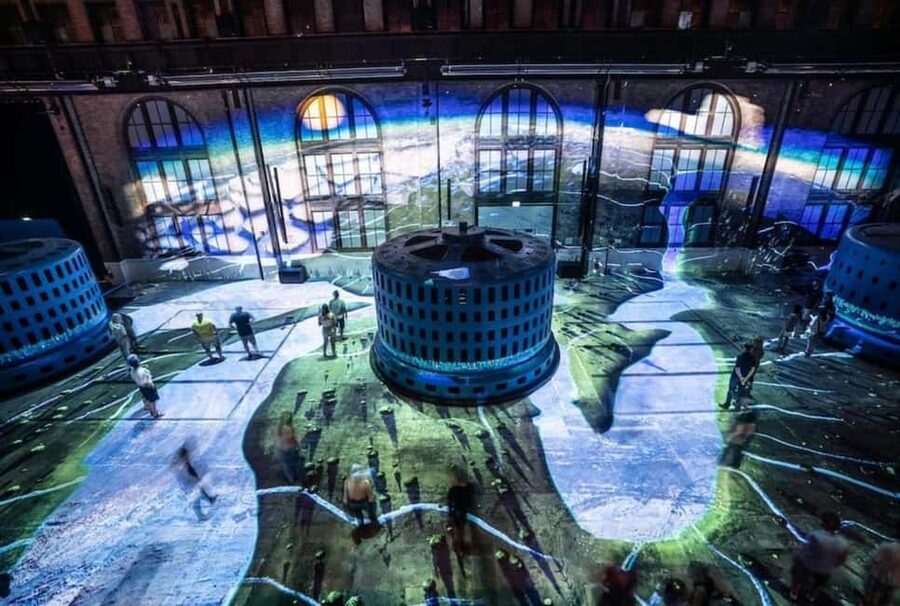
I would recommend the Power Pass to anyone who wants more than a standard falls viewpoint. It suits people interested in engineering, historic machinery, hydroelectric power, and the practical work behind Niagara’s famous water.
It is also a good fit for photographers and anyone collecting different views of the falls. The river-edge platform is the most distinctive angle included here, and the illuminated view offers a second chance to see it under different conditions.
Families can benefit from the elevator, tunnel, lights, and falls. The self-guided format lets you adjust the pace, though younger children may not care about every technical display. The observation deck and nighttime lighting are likely to hold their attention better than the longer explanations.
This is less suitable for anyone seeking a traditional guided tour. There is no live guide leading the route, and the experience depends on the audio content and exhibits. It is also not ideal if your Niagara schedule is so packed that you can spare less than two hours.
Should you book the Niagara Power Pass?
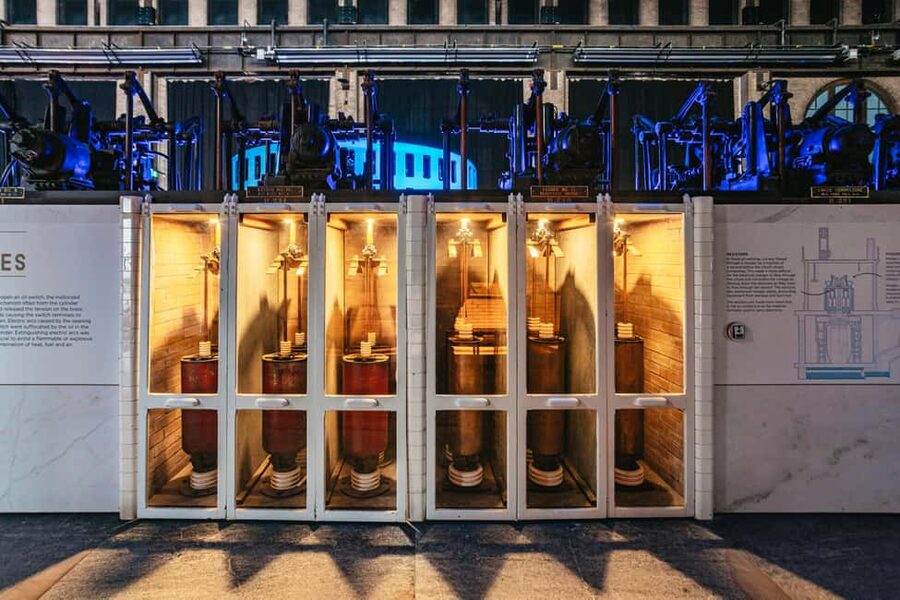
Book it if you want a close, unusual view of Horseshoe Falls and enjoy learning how Niagara’s water was used to make electricity. The 2,200-foot tunnel, 180-foot elevator drop, and river-level deck give the attraction a clear purpose beyond simply looking at the falls.
The pass is especially worthwhile when you can return at night for the illuminated tunnel, lit-up falls, and Currents show. That day-and-night flexibility is the feature that makes the $26 price easier to justify.
Skip it if you want only a quick waterfall view, require a live guide, or have less than two hours available. For most people with room in their schedule, though, this is a strong addition to a Canadian-side Niagara visit, particularly if you want to understand the machinery and human effort behind the spectacle.
FAQ
Where is the Niagara Parks Power Station?
It is at 7005 Niagara Parkway in Niagara Falls, Ontario, between Table Rock Welcome Centre and the Floral Showhouse.
Is this experience on the Canadian side of Niagara Falls?
Yes. Niagara Parks Power Station is located on the Canadian side of the falls.
How long should I allow for the Power Station and tunnel?
Plan for about two hours to explore the Power Station and tunnel. The walk from the tunnel entrance to the observation deck takes roughly 10 to 15 minutes.
Can I visit the Power Station during the day and at night?
Yes. The Power Pass includes general admission during both daytime and nighttime hours for the same day.
Is the tunnel guided?
No. The tunnel is self-guided. Complimentary immersive audio guides are included to explain the power station, tunnel, construction, and engineering.
Is the Falls Incline Railway included?
Yes. The pass includes the climate-controlled, fully accessible Falls Incline Railway between the Fallsview Tourist area and Table Rock Centre.
Is the experience wheelchair accessible?
Yes. The attraction is wheelchair accessible.
Are food and drinks included?
No. Food and drinks are not included in the pass.
Just added around Niagara Falls
- Beer and Wine Tour in Niagara-on-the-Lake★ 5.0 · 22 reviews
- All Inclusive Best Tour Ever Niagara Falls Canada Tour★ 4.5 · 92 reviews
- A Twilight Wine Adventure with 3-Course Dinner★ 5.0 · 51 reviews
- Amazing Scavenger Hunt: Hunt Along Niagara Falls★ 3.5 · 5 reviews
- Private Wine Tour in Niagara-on-the-Lake w/ cheese & charcuterie★ 5.0 · 102 reviews
- 8 Hour Ontario Wine Tour with Cheese and Charcuterie★ 4.5 · 15 reviews
- Afternoon Wine, Beer and Charcuterie Tour in Niagara-on-the-Lake★ 5.0 · 172 reviews
- 3 HR Supercar Experience★ 4.5 · 12 reviews
Niagara Falls Tours, compared.
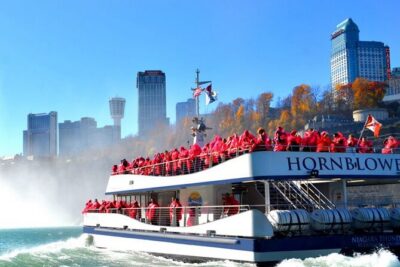
Premium Tour, Boat & Journey Behind the Falls
The full write-up →
Toronto: Niagara Falls Day Tour with Optional Boat Cruise
The full write-up →
Best of Niagara Falls Canada Premium Tour: Behind Falls and Boat
The full write-up →Niagara Falls Canada Day Tour From Toronto + Boat Cruise Option
The full write-up →
Niagara Falls from Toronto: Skip-the-Line Boat & Skylon Tower
The full write-up →
Niagara Falls, Canada: Evening Fireworks Cruise
The full write-up →Niagara Falls, Canada: Skylon Tower Observation Deck Ticket
The full write-up →Browse the lists this tour appears in