
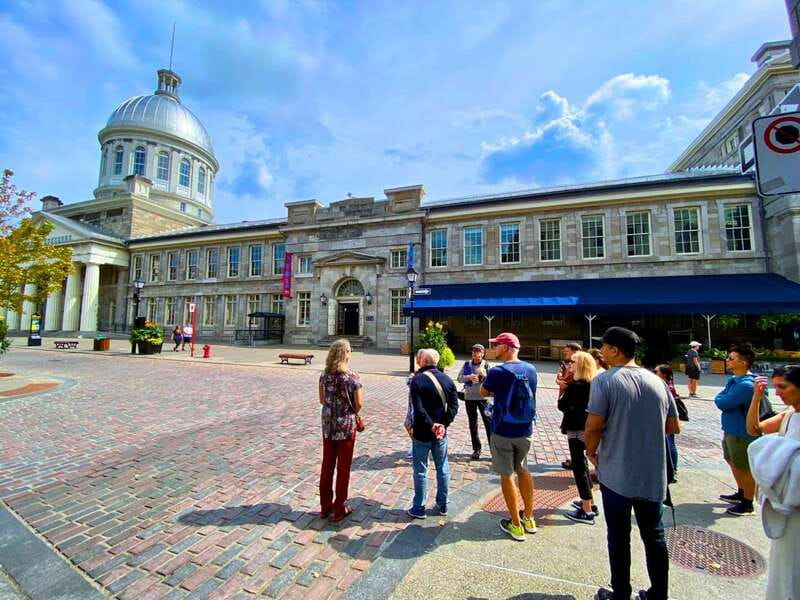
Reviewed · WALKING TOURS
Montréal: The Original Old Montréal Walking Tour
Old Montréal makes a strong first impression, but its streets can blur together if you do not know what you are seeing. This two-hour walking tour gives the district a clear shape, linking its architecture, French-inspired culture, founding stories, and modern city life through an entertaining local guide.
I like the way the tour mixes major sights with less obvious stops, including indoor pauses that can be a lifesaver in winter. I also like the useful orientation it provides: guides such as Sebastian, Sarah, Pierre, Thomas, and Caroline are praised for answering questions and suggesting places to eat and visit afterward. The main drawback is simple: you are on foot for two hours, so cold, rain, cobblestones, and limited chances to sit may matter if you have mobility concerns.
Key points at a glance
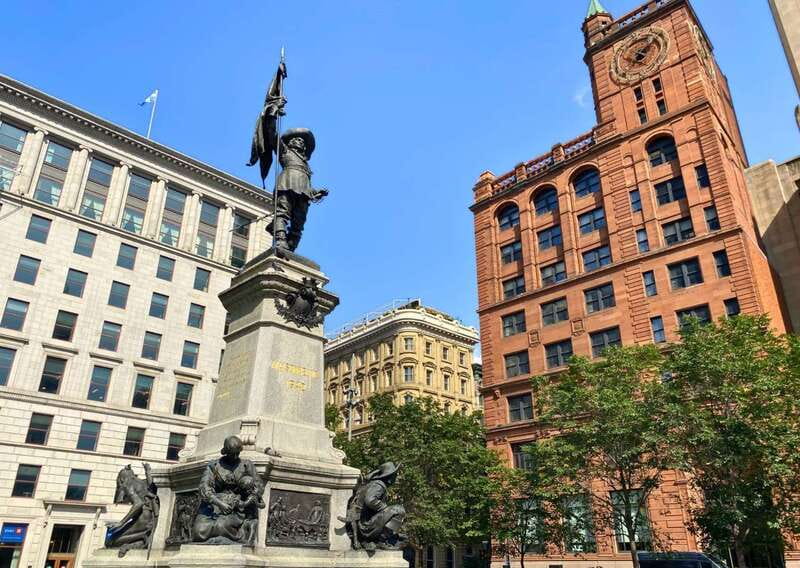
- A practical first look at Old Montréal: The route helps you understand the district before returning to the places you want to explore in depth.
- Stories, not just dates: Guides use amusing anecdotes, local characters, architecture, and present-day facts to make Montréal easier to understand.
- A route with useful variety: Expect old streets, historic buildings, areas near the Basilica and Old Port, and references to the underground city.
- Small groups can make a difference: Groups described in the feedback ranged from about 9 to 14 people, with a stated limit of around 20.
- Good in cold weather: Several guides used indoor stops or pauses to help people warm up.
- Worth considering at $25: You get two hours with a live French- or English-speaking guide, which is a fair price for a first orientation.
Why Old Montréal is easier with a guide
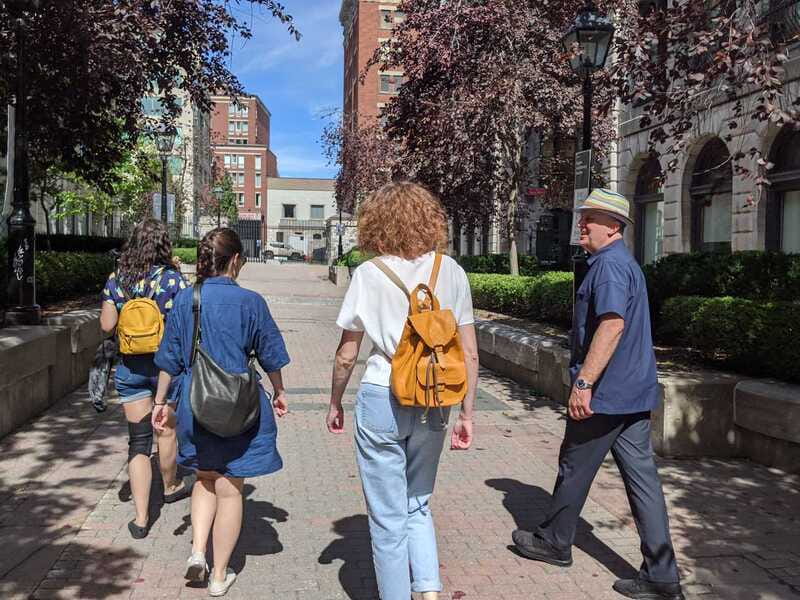
Old Montréal is compact, but compact does not mean simple. A short walk can take you from cobblestones and stone facades to busy streets, the Old Port, the Basilica area, and modern spaces below ground. Without context, it is easy to take a few photographs and miss the reasons the district looks and feels different from the rest of Montréal.
That is where this tour earns its keep. You are not simply led from one photo stop to the next. The guide explains how the city developed, points out details in the buildings, and connects older events to Montréal’s current streets and design.
The best guides also give you a sense of place rather than a pile of dates. Sarah is praised for making the city’s history follow a clear chronological line. Sebastian is noted for explaining how history relates to infrastructure and city design. Nicolas brings the perspective of a Montréal native, with attention to the city’s construction and cultural mix.
That variety matters because Old Montréal is not one single story. French origins, later changes, religious buildings, trade, immigration, architecture, and present-day city life all overlap here. A good guide helps you see those layers without turning the walk into a lecture.
More Walking Tours in Montreal
- The Original Old Montréal Walking Tour by Guidatour
★ 4.5 · 2,217 reviews - Old Montreal Small-Group Walking Tour | Max 10 | by MTL Detours
★ 5.0 · 2,088 reviews - Old Montreal: Traditional Ghost Walk of the Haunted City
★ 4.7 · 746 reviews
Starting at Place d’Youville
The meeting point is the obelisk in front of 206 place d’Youville. This is a useful starting location because you are already in the historic district, rather than spending the first part of the tour walking in from a modern neighborhood.
Give yourself time to find the obelisk and arrive ready to walk. You do not need hotel transport, since transfers are not included. Comfortable shoes are essential, and weather-appropriate clothing is not optional in Montréal. Winter feedback makes that especially clear: guides worked hard to keep the mood warm, but subzero temperatures still affect how much you can absorb.
The opening portion sets the tone. Your guide introduces the area and begins explaining why Old Montréal has such a distinct French character. The commentary is designed to be accessible, with humor and small stories mixed into the larger account of the city.
This is also a good moment to ask questions. Guides are available in French and English, and several have been praised for adapting their discussion to the interests of the group. If you are curious about food, architecture, museums, or what to do later in your stay, ask early. The walk is especially useful when you treat it as both a history lesson and a conversation with a local.
Cobblestones, facades, and the story behind the streets
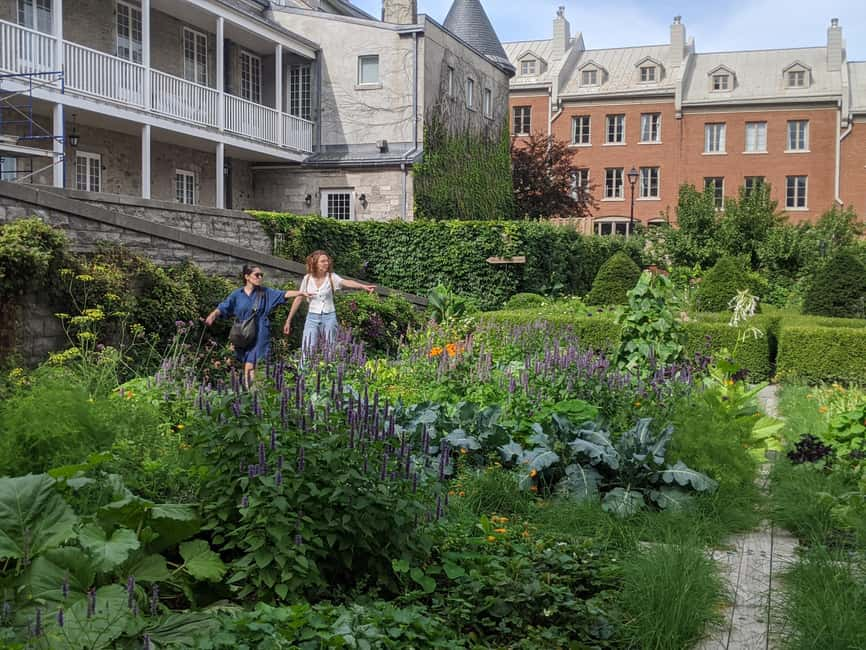
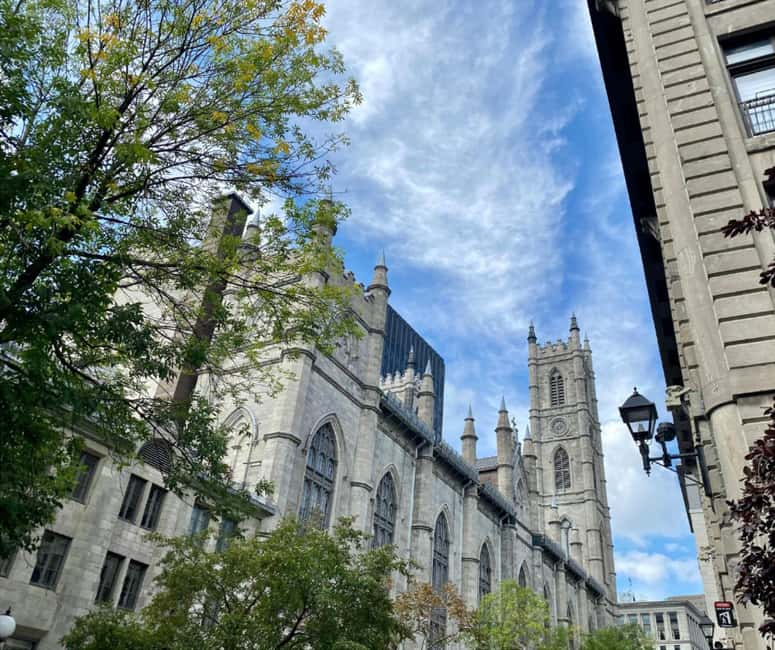
The streets of Old Montréal are the visual heart of the experience. You will walk through a district known for cobblestones and striking architecture, with frequent pauses to hear why a building, street, or public space matters.
This is where a guide adds more than a map. Architecture can look impressive without telling you much. A guide can point out how the city’s design reflects its past, how different groups shaped Montréal, and how the older district fits into the larger city.
Expect a balance of well-known locations and places you might otherwise pass without a second glance. The route is described as covering many historic sites, and the feedback points to stops near the Basilica, the Old Port and Wheel area, and the underground city. The exact order may vary, but the point is broad orientation rather than an in-depth visit to one attraction.
You should also expect pauses for photographs. One guide was praised for opening doors and showing places that were not obvious from the street. That kind of access can make the walk feel more personal, although you should not treat the tour as a substitute for visiting Montréal’s museums or major interiors on your own.
The architecture is one of the strongest reasons to book early in your stay. Once you know what you are looking at, you can return later with a better eye. Instead of seeing a handsome old facade, you begin to notice materials, scale, street layout, and signs of how the city changed over time.
Historic stops near the Basilica and Old Port
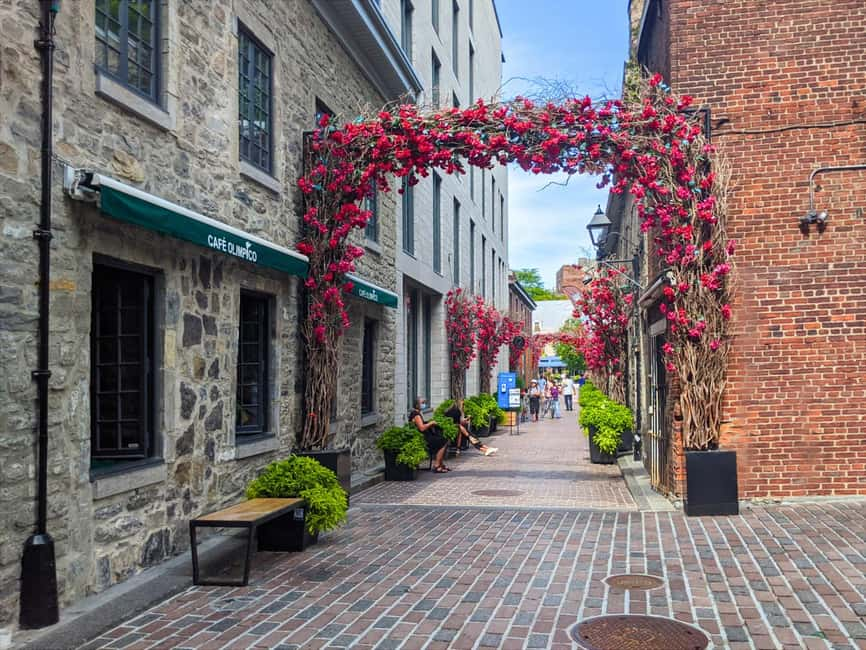
The tour reaches several of the areas most visitors associate with Old Montréal. The Basilica area gives you a chance to appreciate one of the district’s most recognizable settings, while the Old Port and Wheel area show how the historic quarter connects with Montréal’s waterfront attractions and public spaces.
These stops are valuable because they help you compare different sides of the district. Some parts feel tied to Montréal’s early identity, while others are set up for modern recreation and sightseeing. A guide can explain those contrasts while you are standing in the middle of them.
Do not expect a full guided visit inside every major attraction. The advertised experience is a walking tour, and the included items are the walk and guide. Some groups do enter historic locations or take indoor breaks, but admission to separate attractions is not included in the $25 price.
That distinction is important for planning. If the Basilica or another site is a priority, use the tour to understand the setting, then schedule a separate visit if needed. The tour gives you context and a route. It does not replace a dedicated attraction ticket.
Same trip, a completely different kind of day out:
- Montreal: Guided Bus Tour
★ 4.4 · 3,064 reviews - Montreal: Hop-On Hop-Off Double-Decker Bus Tour
★ 4.1 · 2,760 reviews - Montreal Mile End Authentic Food Tour with 7 Delicacies Tastings
★ 5.0 · 2,598 reviews - Montreal City Sightseeing Tour with Live Commentary
★ 4.0 · 1,953 reviews
The underground and the value of unexpected stops
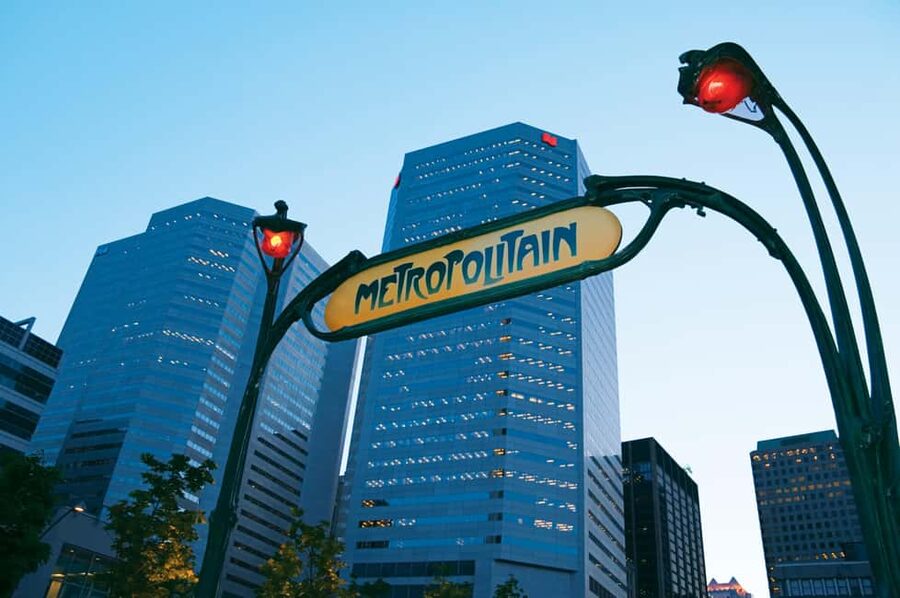
One appealing feature is the way the route can connect Old Montréal with less obvious parts of the area, including the underground. This broadens the experience beyond a standard walk past old stone buildings.
The underground is useful as a point of orientation because Montréal has both a visible historic district and a modern network below the streets. Seeing those two sides in one outing helps explain why the city can feel old-fashioned in one block and thoroughly modern in the next.
You may also receive recommendations for places you would not have found on your own. One guide directed a participant toward the Cold Room, while other guides suggested restaurants and additional sights. These tips are not a formal part of the itinerary, but they are one of the practical benefits of asking your guide what to do next.
I would book this tour near the beginning of your stay, ideally on your first day in Old Montréal. That way, you can mark places worth revisiting, choose a restaurant with more confidence, and understand later museum visits instead of encountering each subject cold.
The guide makes or breaks the two hours
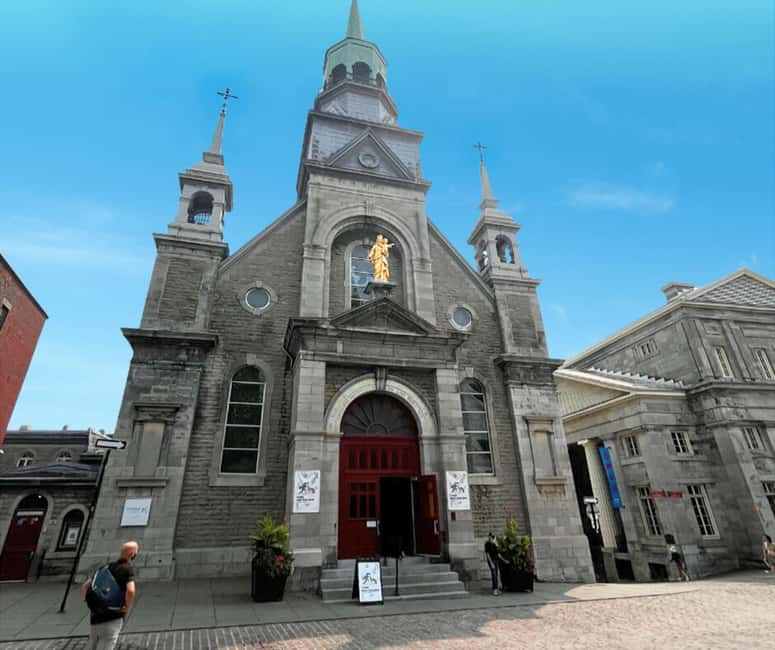
The strongest praise is directed at the guides. That is worth emphasizing because a walking tour can cover excellent places and still feel flat if the person leading it reads from a script.
The guide names praised most often include Sebastian, Sarah, Thomas, Pierre, Caroline, Christian, Frédérique, Sandrine, Luc, Nicolas, Angelina, David, and Joanne. Since guide assignments can change, you cannot book a particular personality unless the operator confirms it. Still, the range of names and repeated comments about humor, warmth, clear explanations, and local insight suggest a strong guide team.
Different guides bring different strengths. Sebastian is described as energetic and good at tying the city’s history to infrastructure and design. Sarah is praised for clear storytelling, a sensible chronological structure, and useful suggestions for the rest of a visit. Pierre combines humor with a thorough grasp of Old Montréal and helped people get out of the cold at intervals.
Thomas is described as funny and energetic, while Caroline is praised for mixing humor with history in a way that feels like a good classroom without the dull parts. Christian is noted for being easy to hear, an underrated quality on a street tour. Frédérique adjusted the pace for children, which is helpful for families.
The lesson for you is to participate. Ask questions, mention your interests, and tell the guide if someone in your group needs a slower pace. The walk is designed to be friendly and conversational, not a silent march.
Winter, children, and the physical side of the walk
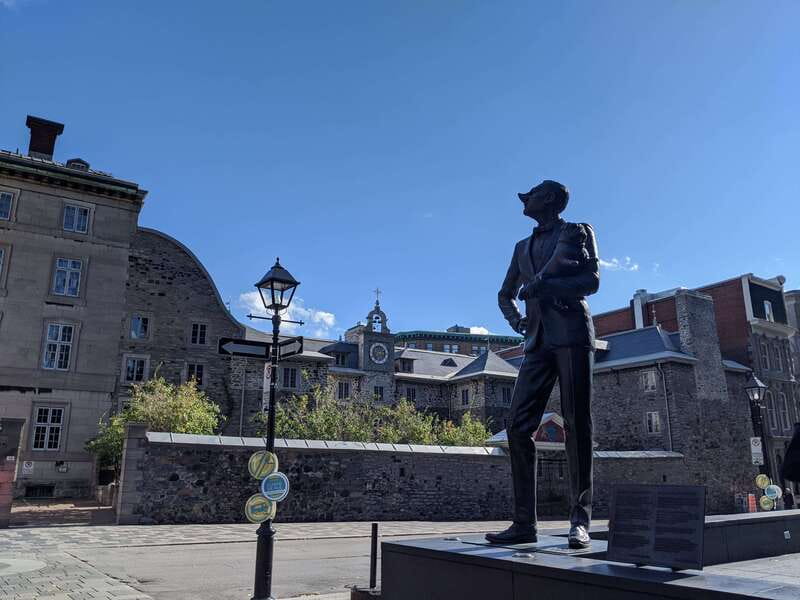
The tour is wheelchair accessible, but it remains a walking experience over historic streets. Cobblestones, winter conditions, and standing during explanations can affect comfort. One piece of feedback specifically suggested adding a restroom and sitting break for older people, while another noted that there were places to sit or perch along the route.
This is not a reason to avoid the tour, but it is a reason to plan sensibly. Wear supportive shoes, bring water, and dress for the forecast. In winter, gloves, a warm hat, and footwear with good grip matter more than style.
Cold-weather guides deserve credit for using indoor breaks when possible. Several groups appreciated pauses inside, and one guide was praised for keeping the group comfortable in subzero weather. Even so, indoor breaks are not a promise that you will spend much of the tour inside.
Families can do well here if children are interested in stories and city streets. Frédérique was praised for keeping a pace that suited children, and the two-hour length is manageable compared with a full-day outing. Younger children who dislike walking or standing may still tire, especially in bad weather.
The stated wheelchair accessibility is encouraging, but historic districts can have uneven surfaces. If you use a wheelchair, confirm the current route and any access details before booking, especially if weather has affected the streets.
Group size and pace
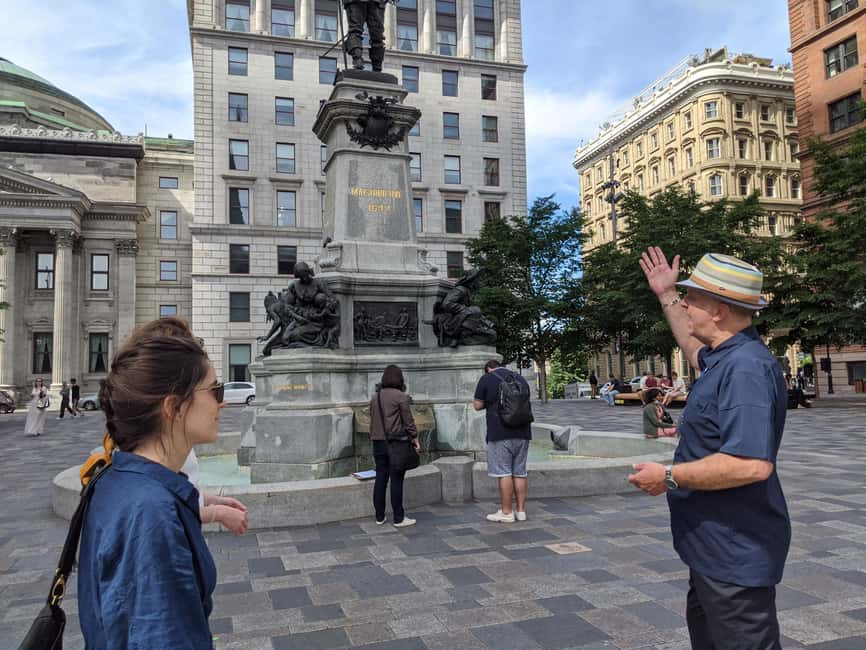
The stated group limit is around 20, and several groups were smaller, including groups of about 9, 12, and 14 people. That is a useful middle ground. You get the social feel of a group walk without the scale of a large crowd.
A smaller group also makes it easier to hear the guide and ask questions. It allows the guide to remember names and respond to individual interests. One group particularly appreciated how the guide made the experience personal by remembering participants during the walk.
Pace is another strength. The walk is described as easy to keep up with, and several comments praise the guides for keeping a good speed while leaving time for photographs and explanations. You are not expected to rush from one stop to another.
Still, two hours on foot is two hours on foot. If you want long visits inside buildings, lots of shopping time, or a slow photographic session at every corner, this tour may feel brisk. Think of it as an overview with pauses, not a private deep examination of each site.
Is $25 a fair price?
At $25 per person, this is a sensible value for a two-hour guided introduction to one of Montréal’s most important districts. You are paying for a live local guide, route planning, historic interpretation, and the chance to ask questions. For a first visit, that can save you time and prevent the district from becoming a collection of disconnected sights.
The value rises if you use the tour as a starting point. You can return to the Basilica area, the Old Port, the underground, restaurants, or other historic locations later. You also get practical suggestions that may shape the rest of your stay.
The price does not include hotel transfer, attraction admissions, food, or drinks. Keep those costs separate when planning your day. If you want a long interior visit at a major attraction, you will need to arrange that independently.
Free cancellation up to 24 hours before the start and the option to reserve now and pay later make the booking less rigid. That is helpful in Montréal, where weather can change your plans, but check the conditions at booking time.
Who should book this Old Montréal walk?
I would recommend it most strongly to first-time visitors, people staying near Old Montréal, families who want a manageable introduction, and anyone who enjoys learning through stories rather than reading every plaque.
It also suits visitors with only a short time in the city. The tour gives you a useful sense of the historic center in two hours, then leaves you free to continue exploring. English and French options make it accessible to a broad range of visitors.
You may want something else if you dislike group tours, need frequent seated breaks, or prefer to spend the whole day inside museums. The route is accessible, but the physical reality of cobblestones and weather still matters. And if you already know Old Montréal well, the general orientation may feel familiar unless you value the guide’s anecdotes and local recommendations.
Final call: book it early
Book The Original Old Montréal Walking Tour if you want a friendly, story-led introduction before exploring the district on your own. Its best features are the strong guide presence, manageable two-hour length, useful range of historic and modern viewpoints, and fair $25 price.
I would schedule it near the start of your stay, wear serious walking shoes, and arrive ready to ask questions. If you are visiting in winter, dress for the cold even though indoor pauses may be included. For most first-time visitors, this is an efficient way to get your bearings and turn Old Montréal from a pretty backdrop into a place you understand.
FAQ
How long does The Original Old Montréal Walking Tour last?
The tour lasts two hours.
How much does the tour cost?
The price is $25 per person.
Where does the tour meet?
Meet the guide at the obelisk in front of 206 place d’Youville.
Is the tour available in English?
Yes. Live guides are available in English and French.
Is the walking tour wheelchair accessible?
Yes, the activity is listed as wheelchair accessible.
What should I bring?
Bring comfortable shoes and clothing suited to the weather. The tour takes place outdoors and includes walking on Old Montréal’s streets.
Just added around Montreal
- Full Day Family Bike Rental★ 5.0 · 17 reviews
- Winter Express: Old Montreal Highlights Walking Tour★ 5.0 · 119 reviews
- In the Shadow of the Mountain: Montreal Jewish History Walking Tour★ 4.5 · 33 reviews
- Under the Surface of Montreal’s Chinatown: Guided Food Walking Tour★ 5.0 · 23 reviews
- The Ultimate Montreal Boat Tour – Fall Colors Apéro Edition★ 4.5 · 31 reviews
- Montreal Premium Driving Tour with River Cruise and Notre Dame★ 4.5 · 164 reviews
- Old Montreal: Self-Guided Tour from Place D‘Armes to Old Port★ 5.0 · 5 reviews
- Immersive Virtual Reality Game Activity★ 5.0 · 19 reviews
Walking Tours, compared.

Old Quebec City: Grand Walking Tour with Private Option
The full write-up →
The Original Old Montréal Walking Tour by Guidatour
The full write-up →
Old Montreal Small-Group Walking Tour | Max 10 | by MTL Detours
The full write-up →
Old Quebec Classique Walking Tour with Funicular
The full write-up →
Vancouver Lost Souls of Gastown Walking Tour
The full write-up →
Quebec: Crimes of New France Animated Walking Tour
The full write-up →Browse the lists this tour appears in