
Reviewed · MUSEUMS
Montreal: Art Center and Museum Audio Guided Tour
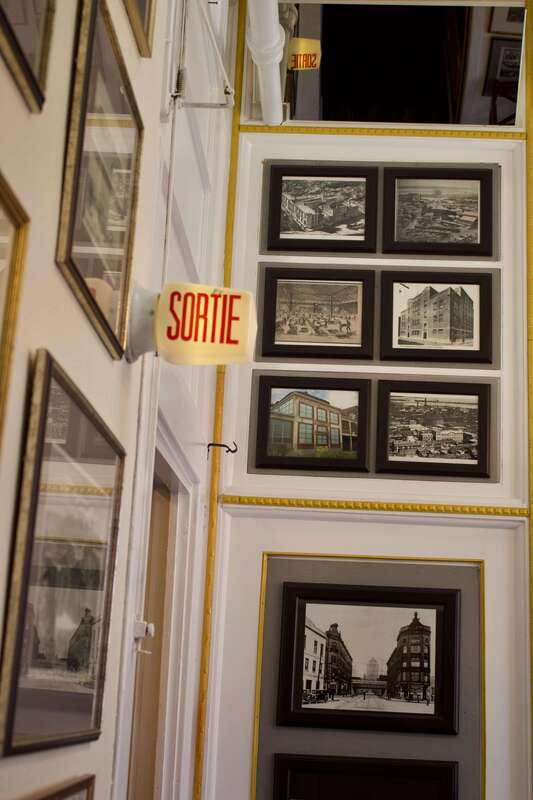
Montreal’s art center occupies a 1879 industrial building that once made parts for ship engines and trains. Inside, you move from working artist studios to European paintings, old safes, Douglas fir beams, and wax figures from the former Grévin Museum. I like the unusual mix of working art space and museum collection, and I like that the audio guide lets you set your own pace.
The $12 price is fair if you enjoy art and historic buildings, especially since it includes the galleries, studio spaces, museum map, and audio guide. The main drawback is practical: three floors with no elevator, so this visit is not suitable for wheelchair users or people with mobility impairments. The layout can also feel a little loose if you prefer a tightly organized museum route.
Key points to know before you go
- A 1879 industrial setting: The building began as the Caledonian Iron Works facility, giving the visit a strong connection to Montreal’s working past.
- Modern art beside older collections: You see work from more than 45 local artists alongside 19th-century European and international paintings.
- A self-paced format: The English or French audio guide lets you spend more time on pieces that catch your eye and less on those that do not.
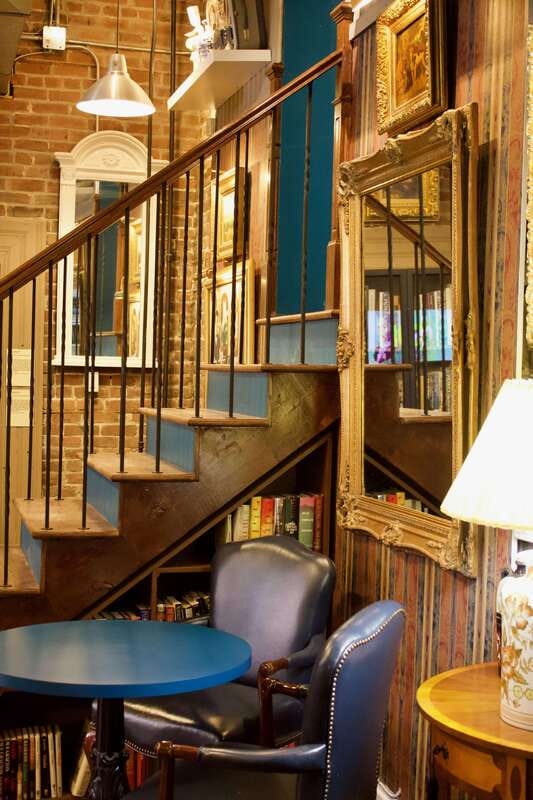
- Unexpected museum objects: Look for 140-year-old safes, antique furniture, Douglas fir structural elements, and wax statues from the former Grévin Museum.
- Three floors, no elevator: Wear comfortable shoes and consider your mobility before booking.
- A small-price art stop: At $12 per person, it works well as a low-cost addition to a day in Montreal’s Griffintown area.
A working building with an unusual past
The first thing that gives this visit character is the building itself. It was constructed in 1879 and originally belonged to the Caledonian Iron Works company, which produced parts for ship engines and trains. You are not entering a plain white gallery built only for displaying art. You are entering an old industrial structure that still carries visible traces of its former use.
That setting changes how the art feels. The building’s age, structural wood, old fixtures, and large historic rooms provide a rougher backdrop than you would find in a modern museum. I like this because the architecture is part of the visit, not just a container for paintings.
The center describes the building as having 140 years of history. The exact number naturally depends on the year you visit, but the point is clear: this is a historic property, and its age is one of the main reasons to come. If you care only about a large, polished collection with clear chronological displays, this may not be your ideal museum. If you enjoy unusual places where art and building history overlap, it offers more variety for a modest admission fee.
More Museum Tours in Montreal:
- Museum of Illusions Montreal – 70+ Illusions to Explore
★ 4.0 · 103 reviews - Montreal: Museum of Illusions Entry Ticket
★ 4.6 · 25 reviews - McCord Stewart Museum – Admission
★ 4.5 · 17 reviews
Start with the local artists’ studios
A central part of the experience is the tour of the artist studio spaces. More than 45 resident artists work in the building, and the visit gives you a chance to see an active art center rather than a museum that displays only finished works.
That distinction matters. In a traditional gallery, the artist is absent and the room is carefully controlled. Here, you may get a stronger sense of art as a working process. The studio areas also give the visit a local focus. Instead of seeing only famous names from the past, you can look at art being made in Montreal now.
The exact amount of interaction with artists can vary, so you should not book this expecting a formal conversation or a scheduled workshop. The experience includes access to the studio spaces, but it does not promise that every artist will be present or available. Still, the studios are one of the most distinctive reasons to choose this center over a standard museum.
If a piece catches your eye, you can support the resident artists by purchasing artwork. That makes the visit more personal than simply walking through a collection. You can take your time, compare different styles, and decide if something speaks to you without feeling rushed through a fixed group itinerary.
Modern work meets 19th-century paintings
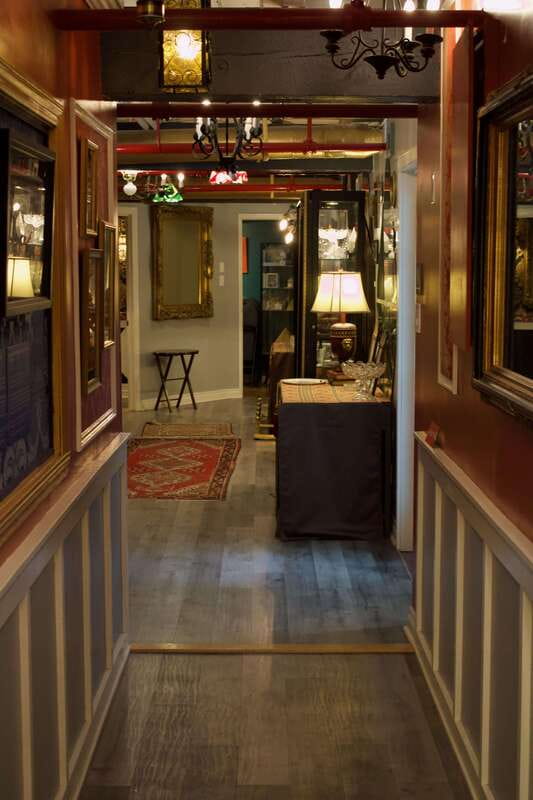
The art collection shifts from current local work to a permanent collection of European and international 19th-century paintings. This contrast is one of the strongest features of the visit.
You can move from contemporary work created in Montreal to paintings from a very different period and artistic culture. That change may help you notice how materials, subjects, and artistic choices have developed over time. It also keeps the visit from feeling like a single-style gallery.
The collection includes 19th and 20th-century works on paper by Picasso, Monet, Rembrandt, and others. These names add weight to the museum portion, but you should keep expectations sensible. The information provided does not give the number, size, or display schedule of these works, so this is not a substitute for a major international art museum. The appeal is the combination of works on paper, paintings, local studios, and historic surroundings.
Works on paper often reward patience. You may need to stand close enough to notice line, texture, and detail, then step back to understand the whole image. The audio guide can help you decide which pieces deserve extra time. Since you are not locked into a timed group, you can linger when a drawing or print interests you.
The former Grévin wax figures add a strange turn
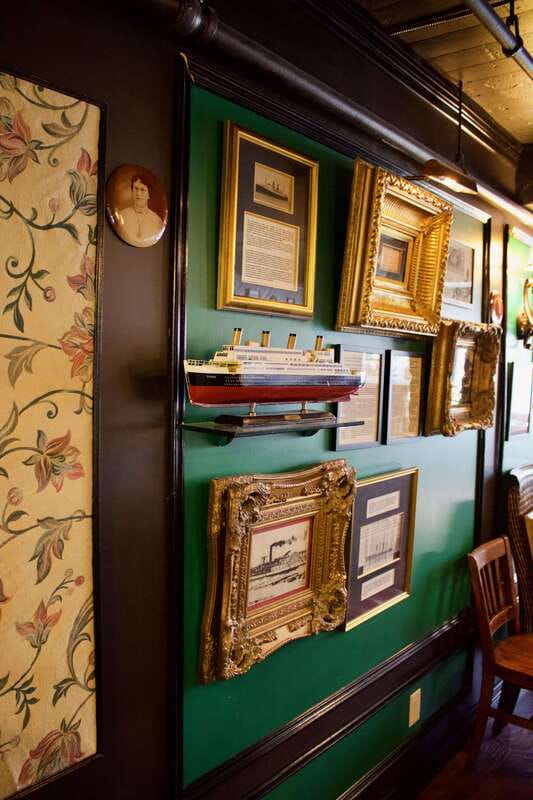
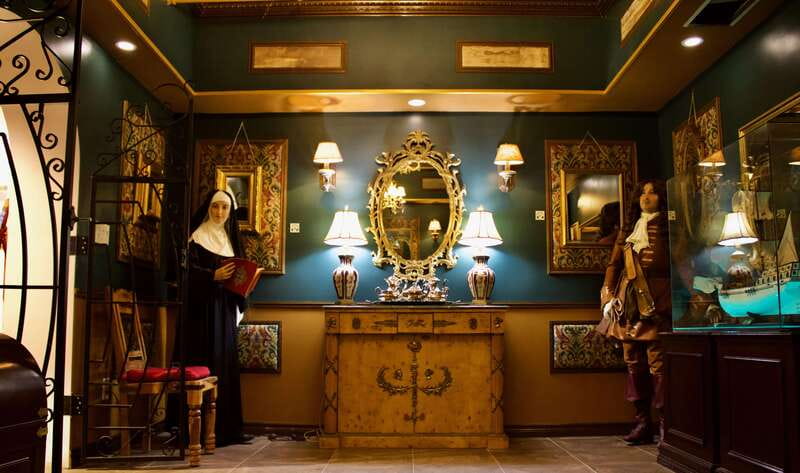
The wax statues from the former Grévin Museum are an unexpected part of the visit. They add a theatrical, historical note to a building otherwise focused on paintings, prints, studios, and industrial architecture.
These figures may appeal most to you if you like museums with odd corners and mixed collections. They are not simply another set of paintings to compare. They change the mood and give the center a sense of accumulated objects from different eras.
I would not book this experience solely for the wax figures, since the available information does not specify which figures are displayed or how large the collection is. Treat them as an extra feature that makes the center less predictable. Along with the antique furniture and old safes, they help explain why the building feels more like a series of historic rooms than a single-purpose gallery.
More audio-guided walks in Montreal:
- Icefields Parkway: a Smartphone Audio Driving Tour
★ 4.0 · 118 reviews - Cabot Trail: a Smartphone Audio Driving Tour
★ 4.5 · 118 reviews - Sea to Sky Highway: a Smartphone Audio Driving Tour
★ 4.0 · 32 reviews - A 7th-Gen Local’s View of Downtown Charlottetown: An Audio Tour
★ 4.5 · 27 reviews
Details to notice in the rooms
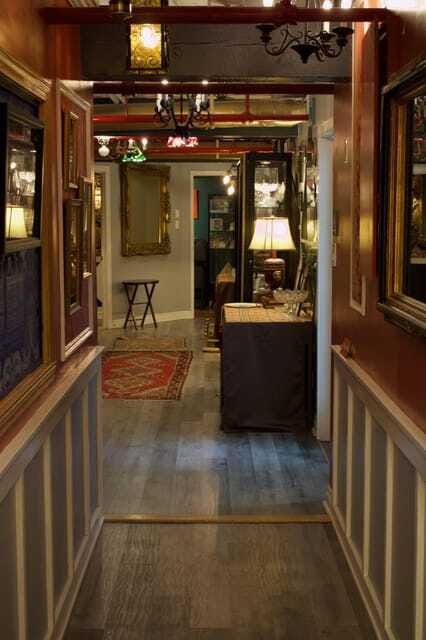
The large artworks may get your attention first, but some of the most memorable details are built into the property. Look for the 140-year-old safes, Douglas fir structural elements, antique furniture, and displays connected with the building’s past.
The safes are especially useful reminders that this was once a working commercial site. They are not decorative museum props in the usual sense. They connect the building to the practical business that took place there before the art center arrived.
The Douglas fir elements also deserve a look. Structural wood can be easy to ignore when you are focused on paintings, but it helps you read the building. Notice how the materials and old furniture create a different atmosphere from a newly renovated gallery.
The museum map is included, and it should help you get your bearings. One practical point is that the building’s presentation can feel somewhat loose. If you need a clear beginning, middle, and end, start with the map and use the audio guide as your main route. If you prefer wandering, the less formal layout may suit you better.
How the audio guide changes the visit
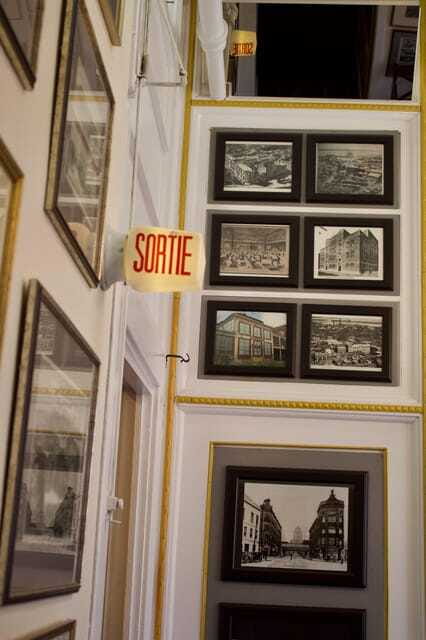
The audio guide is available in English and French. It gives you structure without turning the experience into a fixed, guide-led march from room to room.
That format is useful for different kinds of visitors. You can listen carefully to selected works, pause when you want to read or look around, and move on when a section does not interest you. Someone with a strong interest in modern art might spend more time in the studios, while someone drawn to older collections may focus on the European paintings and works on paper.
The listed host or greeter languages are also English and French. No individual guide names are provided, and this is not presented as a tour led continuously by a named art historian. Think of it as an independent museum visit with staff available at the start and recorded material to guide you.
The audio format also helps if you are visiting alone. You do not need to match another person’s pace. On the other hand, you may miss the back-and-forth discussion that comes with a live guide. If asking detailed questions is important to you, check what staff support is available when you arrive.
Plan around three floors and no elevator
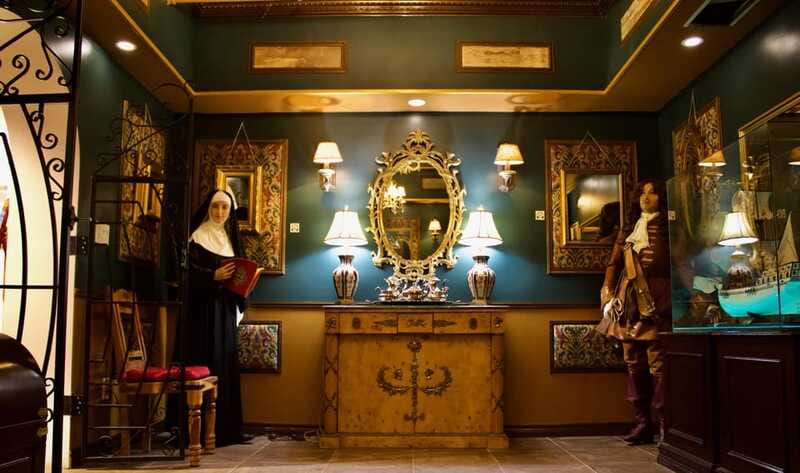
The building has three floors and no elevator. This is the most important practical limitation, and it should shape your booking decision.
The experience is not suitable for wheelchair users or people with mobility impairments. Even if you can manage stairs, consider how long you want to spend moving between levels and standing in galleries. Comfortable footwear will help, though it cannot remove the access issue.
The visit takes place rain or shine. That makes it a dependable indoor stop during changing Montreal weather, but you still need to reach the building and arrive prepared for the conditions outside. If the door is closed, call 514-667-2270 and a staff member will come to meet you.
The pass is valid for one day, with starting times based on availability. This makes the experience flexible, but the supplied information does not give a precise time needed to see every room. I would allow enough unhurried time for the studios, permanent collection, architectural details, and audio guide rather than treating it as a quick photo stop.
Is $12 a good value?
At $12 per person, the admission offers a fair amount: access to museum rooms and galleries, the artist studio spaces, a museum map, and an audio guide in two languages.
The value comes from variety rather than scale. You are paying for one experience that combines a historic industrial building, modern local art, 19th-century paintings, works on paper, wax figures, and architectural details. A visitor interested in only one of those categories may find the collection too mixed. Someone who enjoys a broad, slightly unconventional museum visit gets more for the price.
The center also gives you a chance to buy work from resident artists. You do not need to purchase anything, but the option adds meaning to the visit. Your admission supports a place where local artists work and display their art, while any purchase directly supports the artist whose work you choose.
Special events are not included in general admission. If you want to attend an extra event, you must buy a separate ticket through the website or at the front desk. Check this before assuming your $12 admission covers every activity taking place in the building.
Who will enjoy this art center most?
I would recommend this visit to you if you like historic buildings, working studios, mixed collections, and self-paced museum time. It is also a good low-cost choice if you want something different from Montreal’s largest and most formal museums.
It suits people who enjoy looking closely and making their own route. The experience rewards curiosity more than checklist sightseeing. You can spend time with an artist’s work, then shift to a wax figure or an old safe without having to follow a strict narrative.
Families and mixed-interest groups may also find the range useful, since not everyone needs to enjoy the same type of art. The unusual objects can break up a long run of paintings. Still, younger children may not get much from the audio content, and the stairs may make the visit tiring.
I would be more cautious if you want a polished museum layout, extensive labels, or a fully guided tour with constant explanation. One rating of the experience described it as interesting but somewhat disorganized, and that is a fair expectation to carry with you. The center’s loose character is part of its charm, but it can also make the route feel unclear.
Booking details worth checking
The activity is offered with free cancellation up to 24 hours in advance for a full refund, and you can reserve now and pay later. However, the practical information also says the tour is non-refundable. Because those statements conflict, confirm the cancellation terms shown at checkout before you finalize your plans.
General admission excludes special events. Alcohol and drugs are not allowed. The visit operates in English and French, with the audio guide available in both languages.
The stated overall rating is 4.3 out of 5 from 18 ratings. The most consistent strengths are the attractive art, the unusual mix of modern and older works, and the freedom to go at your own pace. The main concerns are the loose organization and the lack of elevator access.
Should you book it?
Book this experience if you want local artists in a genuine old building, not a large museum built around one famous collection. At $12, it is a sensible art stop for curious visitors who enjoy variety and do not mind finding their own way through three floors.
Skip it if stairs are a serious problem, if you need wheelchair access, or if you want a tightly scripted tour led by a named guide. For everyone else, the combination of studios, 19th-century art, works on paper, industrial details, and former Grévin wax figures gives you a pleasantly unusual hour or more of Montreal culture.
FAQ
Where does the Montreal Art Center and Museum experience take place?
It takes place in a 19th-century patrimonial building in Griffintown, Montreal, Quebec.
How much does admission cost?
The listed price is $12 per person.
How long is the ticket valid?
The admission is valid for one day.
Is an audio guide included?
Yes. An audio guide is included in English and French.
Is a live guide included?
The activity includes an English or French host or greeter, but the main tour format is an audio-guided visit rather than a continuously led tour.
What can I see in the building?
You can see museum rooms and galleries, modern art by resident artists, 19th-century European and international paintings, works on paper by artists including Picasso, Monet, and Rembrandt, antique furniture, old safes, Douglas fir structural elements, and wax statues from the former Grévin Museum.
Can I visit artist studios?
Yes. A tour of the resident artists’ studio spaces is included.
How many floors does the building have?
The building has three floors.
Is there an elevator or wheelchair access?
No. The building has no elevator, and the activity is not suitable for wheelchair users or people with mobility impairments.
Are special events included in admission?
No. General admission does not include special events. Separate tickets may be purchased through the website or at the front desk.
What should I do if the door is closed?
Call 514-667-2270. A staff member will come and meet you.
Can I cancel for a refund?
The booking information says you can cancel up to 24 hours in advance for a full refund, but it also describes the tour as non-refundable. Confirm the policy at checkout before booking.
Just added around Montreal
- Full Day Family Bike Rental★ 5.0 · 17 reviews
- Winter Express: Old Montreal Highlights Walking Tour★ 5.0 · 119 reviews
- In the Shadow of the Mountain: Montreal Jewish History Walking Tour★ 4.5 · 33 reviews
- Under the Surface of Montreal’s Chinatown: Guided Food Walking Tour★ 5.0 · 23 reviews
- The Ultimate Montreal Boat Tour – Fall Colors Apéro Edition★ 4.5 · 31 reviews
- Montreal Premium Driving Tour with River Cruise and Notre Dame★ 4.5 · 164 reviews
- Immersive Virtual Reality Game Activity★ 5.0 · 19 reviews
- Old Montreal: Self-Guided Tour from Place D‘Armes to Old Port★ 5.0 · 5 reviews
Museums, compared.
Toronto: Royal Ontario Museum Admission Ticket
The full write-up →
Toronto: Art Gallery of Ontario General Admission Ticket
The full write-up →

Gatineau: Canadian Museum of History Admission
The full write-up →
Browse the lists this tour appears in