
Reviewed · MUSEUMS
Calgary: Gasoline Alley Museum Admission
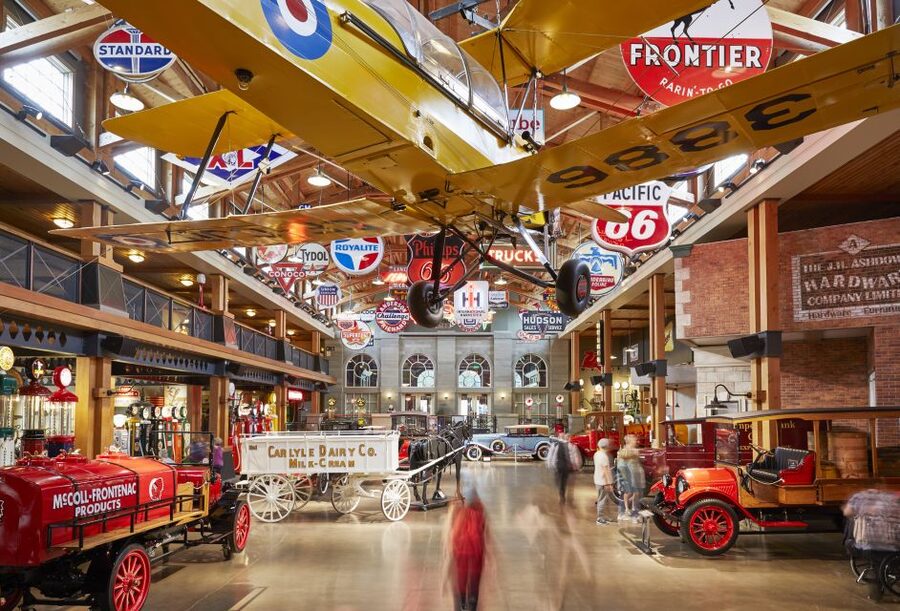
Gasoline Alley Museum puts the early motor age right in front of you: polished cars, sturdy trucks, old working vehicles, and an extraordinary wall-to-wall collection of gasoline pumps. I like the way the museum connects these machines to everyday life, showing how the move from horse and carriage changed travel, work, and society across North America. I also like that the collection reaches beyond cars into petroleum signs and station memorabilia, which gives the displays a strong sense of place.
The main drawback is that this ticket covers Gasoline Alley Museum only, not the other attractions at Heritage Park Historical Village. That is no problem if you want a focused museum visit, but it matters if you arrive expecting a full day at the larger historical park. In summer, the museum is included with general Heritage Park admission, so buying this separate ticket makes the most sense outside the main summer season.
Key things to know before you go
- Rare gasoline pumps: See an impressive range of antique pumps linked to historic petroleum companies.
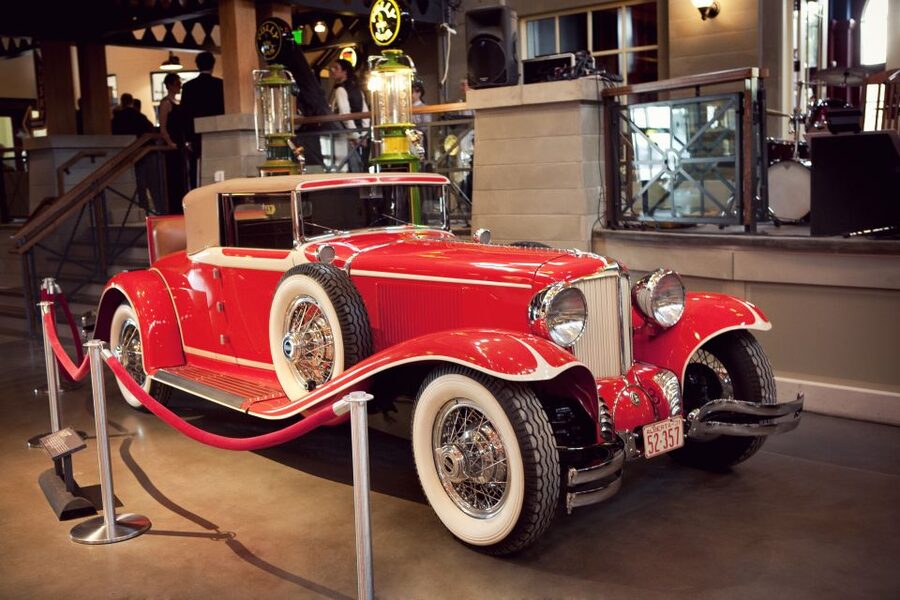
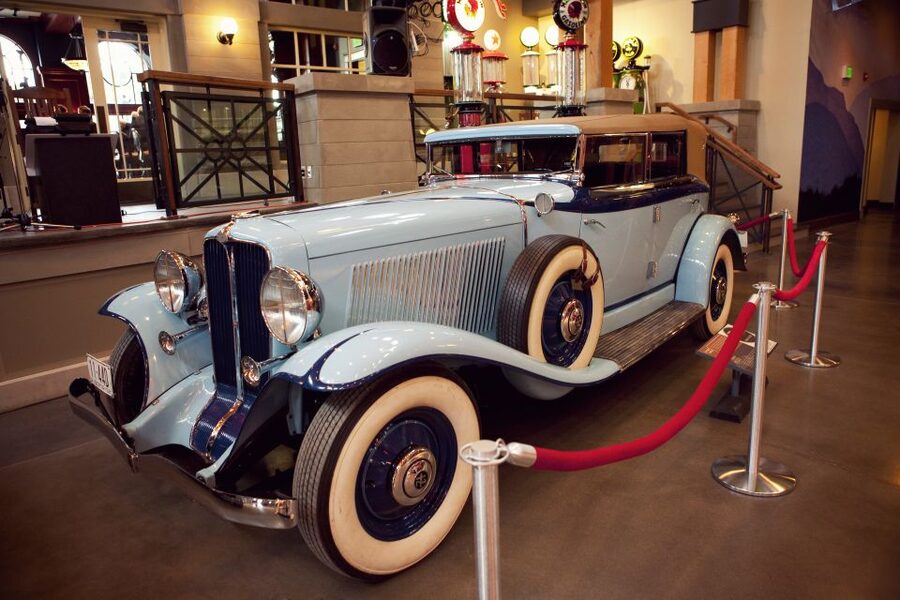
- Cars from the 1900s to the 1950s: The collection includes classic automobiles, trucks, and working vehicles, with some artifacts dating from before World War II.
- More than a car museum: Signs, company memorabilia, and equipment explain how fuel sales became part of North American life.
- Lower showroom: Make time for the lower level, where additional vehicles and artifacts are displayed.
- Year-round access: Gasoline Alley Museum is open throughout the year, even when many Heritage Park attractions close for the winter.
- Practical value: Admission is $10 per person, with on-site interpreters and wheelchair access included.
Why Gasoline Alley is more than a row of old cars
A collection of old automobiles can quickly become a parade of shiny paint and polished chrome. Gasoline Alley Museum aims at something broader. It shows how the automobile moved from a new invention for the wealthy into an ordinary part of North American life.
That change affected far more than transport. Roads, fuel stations, repair shops, work vehicles, advertising, and family travel all grew around the motor car. As you walk through the displays, you can look at the machines themselves and then consider the new habits they made possible.
I find that approach useful because it gives the cars a reason to be there. You are not only asking which model looks best. You are also seeing the equipment and signs that helped create a new kind of daily life.
The museum covers the period from the 1900s through the 1950s. That range lets you see the shift from early, unusual machines to more familiar cars and trucks. Some of the collection includes artifacts from before World War II, giving you a close look at a period when the automobile was still changing quickly.
More Museum Tours in Calgary:
- Calgary: 3.5-Hour Bus City Tour with Gasoline Alley Museum
★ 4.7 · 205 reviews - Calgary: Sam Centre Calgary Stampede Museum Ticket
★ 4.8 · 12 reviews - Toronto: Royal Ontario Museum Admission Ticket
★ 4.6 · 1,237 reviews
The main showroom, from early cars to working trucks
Start in the main showroom with the vehicles. You can expect classic automobiles, trucks, and working vehicles arranged to show the growth of motor travel over several decades.
The cars are the natural attention grabbers. Restored bodies, distinctive shapes, and older mechanical details make them easy to study, even if you are not an automobile expert. I recommend looking past the most polished examples and spending time with the trucks and utility vehicles too. They show how the automobile became a tool for business and work, not just a way to carry a family from one town to another.
The period before World War II is especially important here. Early automobiles can look strange compared with modern cars, and that is part of their appeal. They help you see how designers and drivers were still working out what a motor vehicle should be.
By the 1950s, the automobile had become more familiar as a part of everyday North American life. The museum’s collection lets you follow that shift without needing a technical background. On-site interpreters can add context when you want more than the basic display information.
The museum’s size also makes it workable for families. You can take your time with the vehicles, then move on when younger visitors need a change of pace. This is not a museum that requires a full day of close reading, but the displays reward a slower look if cars, road travel, or old advertising interest you.
The gasoline pump collection is the real surprise
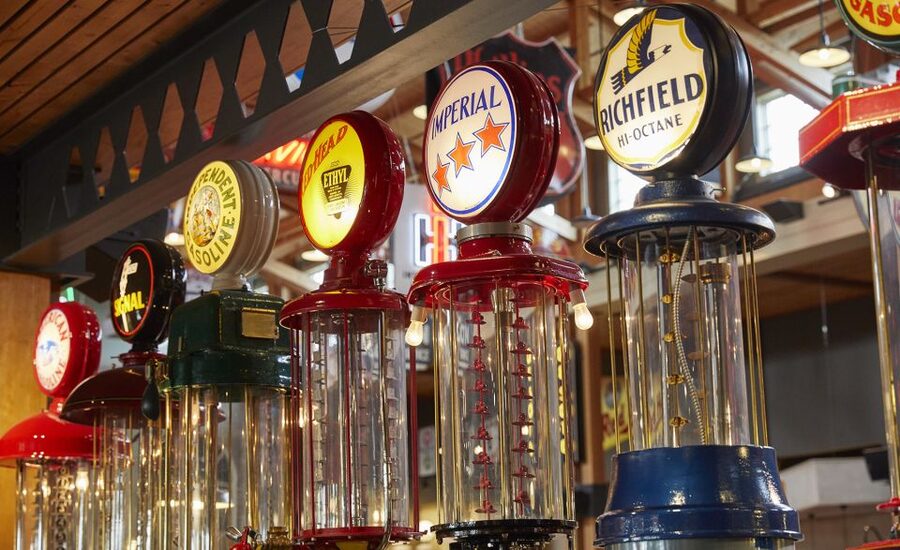
The antique gasoline pumps deserve special attention. They are among the most unusual parts of the museum, and they help explain what fuel service looked like before modern stations became standardized.
You will see pumps from a wide range of historic petroleum companies, along with signs and related memorabilia. Their shapes and branding make clear that selling gasoline was also a visual business. A pump had to be useful, but it also had to identify the company and attract drivers from the road.
This part of the collection adds color and variety to the cars. It also gives you a better idea of the changing roadside experience. Before fuel stations looked broadly alike, companies used their pumps, logos, and signs to create a recognizable identity.
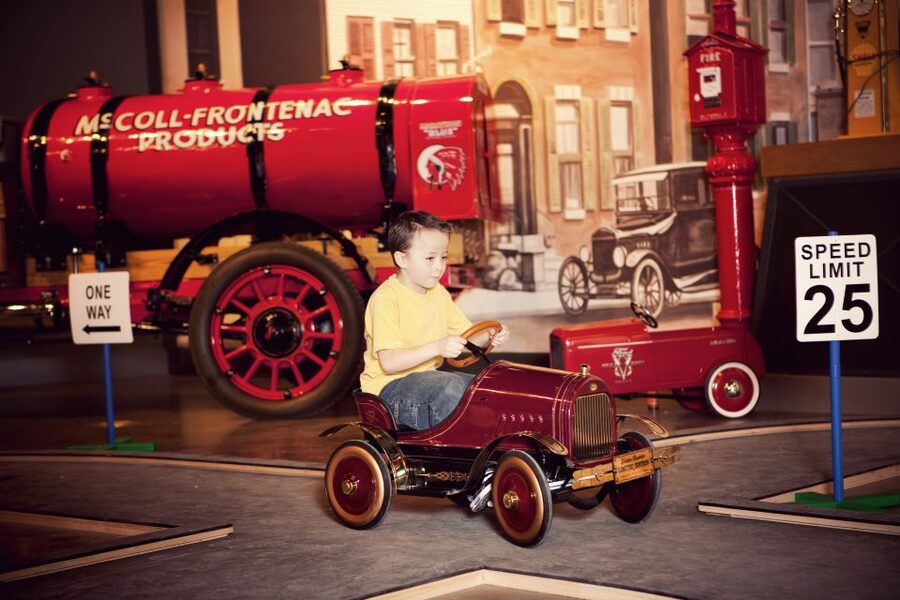
I would not rush through this section. The pumps may seem less glamorous than the automobiles, but they provide some of the clearest evidence of how the car changed commercial life. They also make good comparison points for children, who can see how different these old machines are from the equipment used today.
The museum has thousands of pieces of memorabilia, so the pumps are only one part of a larger story. Signs, petroleum-company material, and other artifacts help fill in the spaces between the vehicles. Taken together, they make the display feel like a record of motoring culture rather than a simple collection of cars.
Look down to find the lower showroom
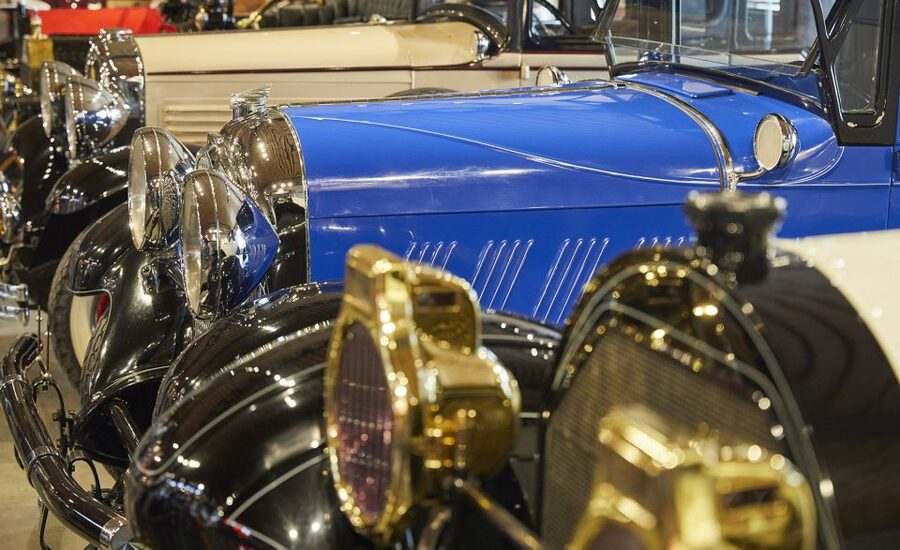
A common mistake would be to see the main displays and leave. The lower showroom offers more artifacts and deserves a place in your visit.
The available information does not provide a full item-by-item list of what is displayed downstairs, so I would treat it as an additional collection rather than plan around one specific vehicle. The useful advice is simple: check the lower level before you decide you have seen everything.
This extra space matters because the museum is not built around a single star exhibit. Its value comes from the range of objects. The lower showroom gives you another chance to see vehicles, equipment, and memorabilia that expand the story told upstairs.
If you are visiting with children, you can use the lower showroom as a second stage of the visit. If you are visiting alone or with someone who enjoys old machines, it is a good place to slow down and look at details that might be easy to miss in the main room.
A few more Calgary days worth comparing
- Calgary: 3-Hour Sightseeing Bus Tour
★ 4.7 · 940 reviews - Calgary City Highlights 3 Hour Walking Tour | Gratuity-Based
★ 4.5 · 378 reviews - Calgary: City Highlights Walking Tour | 3-Hour
★ 4.6 · 271 reviews - Calgary: Heritage Park Historical Village Admission Ticket
★ 4.7 · 236 reviews
Interpreters add context without turning this into a formal tour
Admission includes on-site interpreters. No individual interpreter names are provided, and this is not described as a scheduled guided tour with a fixed route.
That setup gives you flexibility. You can view the collection at your own pace, then ask for help when you want to understand a vehicle, pump, sign, or period of automobile history. This is particularly useful if you know little about early cars but still want the visit to have meaning.
The interpreters can also help connect separate parts of the museum. A car may show the technology, while a pump or sign shows the business that supported it. A question about one display can lead naturally into the larger story of roads, fuel, and changing travel habits.
The experience is therefore self-directed but not silent. You are free to browse, with staff available to add information. That works well for mixed groups, where one person wants detailed facts and another mainly wants to see the vehicles.
What the visit says about North American life
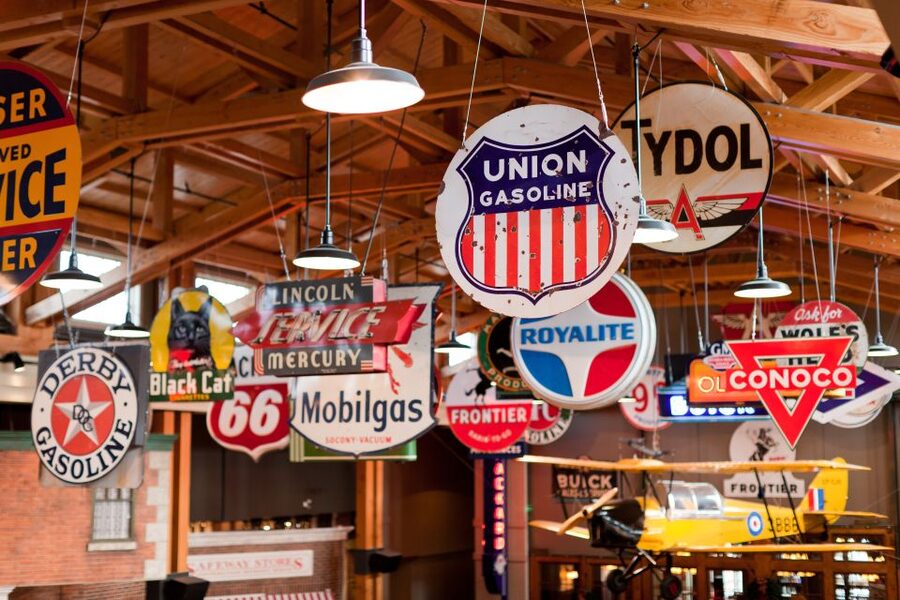
The museum’s most useful idea is that the automobile brought social change. The transition from horse and carriage to motor car altered the way people moved, worked, and thought about distance.
A vehicle could carry people farther and faster than a horse-drawn carriage. Trucks supported different kinds of work. Fuel stations created new roadside stops. Advertising and company signs helped form a new commercial culture around the road.
You can see those changes in the collection without needing a long lecture. The vehicles show the technology. The pumps show the fuel system. The signs show the business and public identity built around motoring.
That combination makes the museum a good choice for anyone interested in more than mechanical design. It also gives parents a simple way to explain social change to children. Ask what would be needed to travel before cars, then compare that with the pumps, trucks, and automobiles on display.
The prewar artifacts are especially useful for this. They show the automobile during its early development, before many features became familiar. You get a sense of a time when driving was still new enough to reshape expectations.
Planning the visit at Heritage Park
Gasoline Alley Museum is at 1900 Heritage Drive SW in Calgary. If you use public transportation, a shuttle bus is available from Heritage LRT Station.
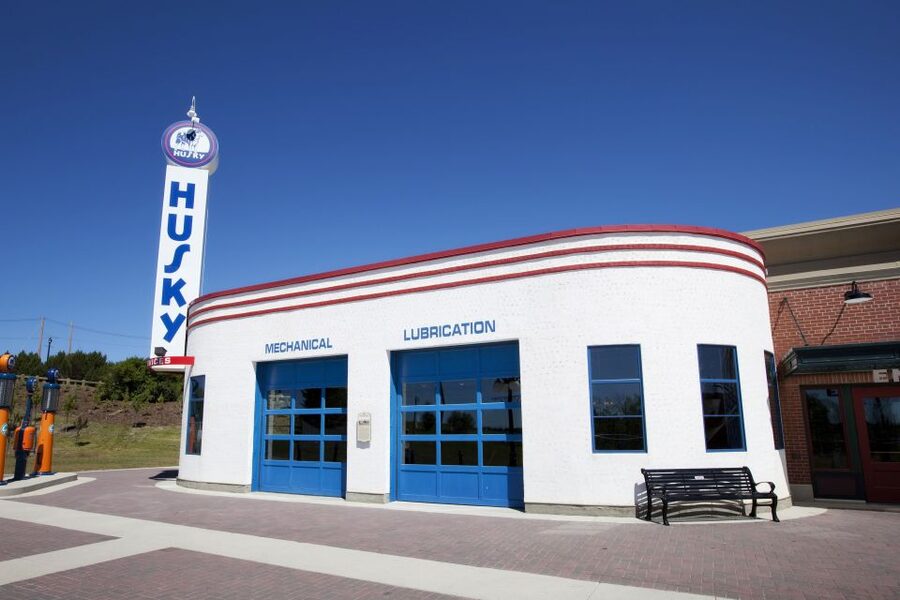
The museum is open year-round. That makes it a particularly practical winter stop, since the other attractions at Heritage Park Historical Village close from mid-October to mid-May. Gasoline Alley Museum and the Railway Café remain open during that period.
This seasonal detail affects the value of the ticket. Outside summer, the $10 admission gives you access to an indoor museum when much of the larger park is closed. It is a reasonable choice for a focused cultural stop, especially if you want a break from outdoor sightseeing.
In summer, Gasoline Alley Museum is included with general admission to Heritage Park Historical Village. If you already plan to visit the historical village, you should not pay separately for the museum. Instead, treat Gasoline Alley as one part of the larger day.
The museum itself is wheelchair accessible. Food, drinks, souvenirs, and access to the other Heritage Park attractions are not included with this admission. Pets are not allowed, and alcohol and drugs are prohibited.
Is $10 good value?
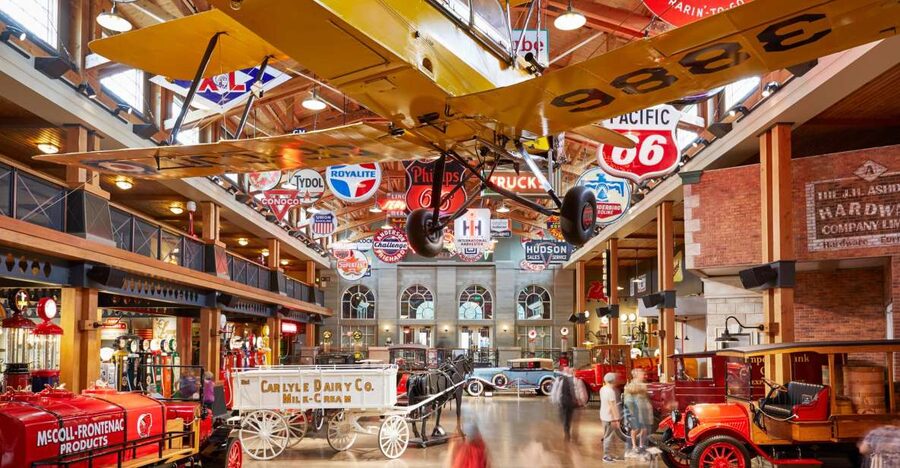
At $10 per person, the museum offers solid value for anyone interested in cars, transport, advertising, or social history. The collection includes restored automobiles, trucks, working vehicles, antique pumps, historic signs, and thousands of additional artifacts. That is a lot of material for a modest entry price.
The value is strongest when you give yourself enough time to see both showrooms and speak with an interpreter. A quick walk through the main room will show you the best-known objects, but it will not give you the full sense of how the automobile changed North America.
The ticket is less useful if you expect access to the whole Heritage Park site. The other attractions require separate admission when they are operating, unless you buy general Heritage Park admission in summer. Read the ticket scope carefully before booking.
For families, the price can work well because the museum combines visual displays with an easy subject to discuss. For serious car enthusiasts, the antique pump collection and rare older vehicles are the strongest reason to visit. For casual sightseers, the museum is best added to a Calgary plan when you are already near Heritage Park or when the seasonal timing makes the indoor attraction especially useful.
Who should visit Gasoline Alley Museum?
I would recommend this experience to:
- Car and truck enthusiasts who want to see restored vehicles from the 1900s through the 1950s.
- Anyone interested in early motoring and the move from horse transport to motor travel.
- Families looking for an educational indoor activity.
- Visitors who enjoy old advertising, company branding, and commercial artifacts.
- People visiting Calgary in the winter, when much of Heritage Park is closed.
- Anyone who appreciates a self-guided museum with interpreters available for questions.
I would be more cautious if you are looking for a broad Heritage Park experience in one ticket. This admission does not include the other historical village attractions. It is also a specialized museum, so someone with no interest in vehicles or transport history may finish sooner than expected.
The strongest praise in the available feedback focuses on the extraordinary gasoline pump collection, the rare cars and trucks, and the helpful volunteers. That matches the way I would plan the visit: spend time with the pumps, do not skip the utility vehicles, and ask the interpreters for context rather than simply photographing the most polished cars.
Booking flexibility and practical timing
You can cancel up to 24 hours before the activity for a full refund. A reserve-now, pay-later option is also available, which helps if your Calgary schedule may change.
The admission is valid for one day from first activation. You do not need to rush through the museum as part of a timed multi-stop tour, though the exact operating hours are not provided here, so checking the current schedule before setting out is sensible.
Since the museum is open year-round, it can fit into several kinds of plans. In winter, make it the main Heritage Park stop. In summer, use it as an indoor break within a broader Heritage Park visit. Public transportation is possible with the shuttle from Heritage LRT Station, while the meeting address gives drivers a clear destination.
Should you book Gasoline Alley Museum?
Book it if you want a focused, affordable look at North American motoring. The antique gasoline pumps, rare older vehicles, and petroleum-company signs give this museum more character than a basic classic-car display. The lower showroom and on-site interpreters add useful depth, while year-round opening makes it practical outside the summer season.
Skip the separate ticket if you are buying general Heritage Park admission in summer, since the museum is already included. Also think twice if you want the full historical village experience, because this admission covers Gasoline Alley Museum only.
For $10, I think it is an easy recommendation for families, car enthusiasts, and anyone curious about how the motor car changed daily life. Plan enough time for both showrooms, look closely at the pumps and signs, and use the interpreters to connect the objects into one larger story.
FAQ
Where is Gasoline Alley Museum located?
Gasoline Alley Museum is located at 1900 Heritage Drive SW, Calgary, Alberta, T2V 1R1, Canada.
How much does admission cost?
Admission costs $10 per person.
How long is the admission valid?
The admission is valid for one day from the time you first activate it.
Does the ticket include Heritage Park Historical Village?
No. This admission covers Gasoline Alley Museum only. Access to the other Heritage Park Historical Village attractions is not included.
Is Gasoline Alley Museum open in winter?
Yes. Gasoline Alley Museum is open year-round. Many of the other Heritage Park attractions close from mid-October to mid-May.
Is the museum included with Heritage Park admission?
In the summer months, Gasoline Alley Museum is included with general admission to Heritage Park Historical Village.
What can I see inside the museum?
You can see restored classic automobiles, trucks, working vehicles from the 1900s to the 1950s, antique gasoline pumps, historic petroleum-company signs, and thousands of other memorabilia items. The lower showroom contains additional artifacts.
Is the museum wheelchair accessible?
Yes. Gasoline Alley Museum is wheelchair accessible.
Can I reach the museum by public transportation?
Yes. A shuttle bus is available from Heritage LRT Station to the museum area.
Just added around Calgary
- Canyons and caves in the Rockies: Explore with us; From Calgary★ 5.0 · 27 reviews
- Airport Shuttle: Calgary Airport <—-> Downtown Calgary★ 5.0 · 19 reviews
- Western Classic – One Way Calgary To Vancouver Rockies Bus Tour★ 5.0 · 9 reviews
- From Calgary to Waterton National Park Nature History and Wonders★ 5.0 · 22 reviews
- An Epic Scavenger Hunt: Calgary Culture★ 4.5 · 6 reviews
- Waterton Lakes National Park Scenic Day Tour from Calgary★ 3.5 · 17 reviews
- Studio Bell General Admission: Home of the National Music Centre★ 4.5 · 48 reviews
- Calgary Street Art & Craft Beer 3 Hour Tasting Tour★ 5.0 · 44 reviews
Museums, compared.
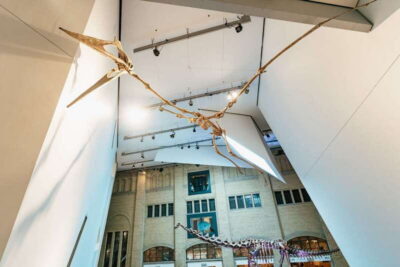
Toronto: Royal Ontario Museum Admission Ticket
The full write-up →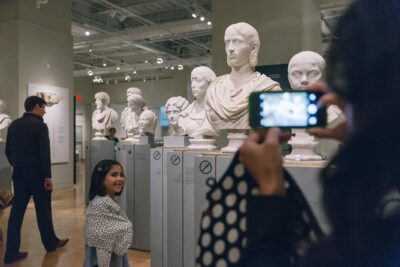
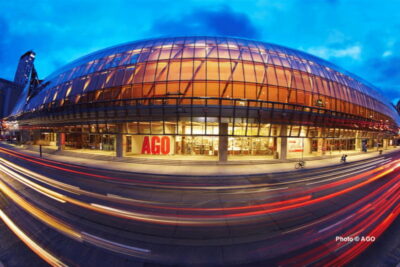
Toronto: Art Gallery of Ontario General Admission Ticket
The full write-up →

Gatineau: Canadian Museum of History Admission
The full write-up →

Browse the lists this tour appears in