
Reviewed · WALKING TOURS
Brothels of Old Toronto Walking Tour
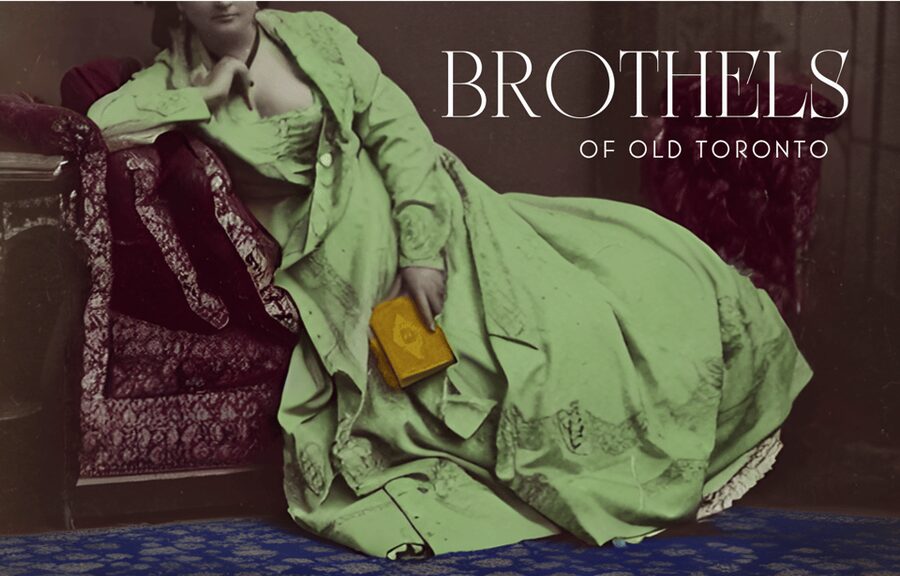
Old Toronto’s brothels were not tucked away from the city’s story. They were part of its growth, its politics, its streets, and its money. This walking tour uses a decade of archival research to trace more than 100 former brothel sites and explain how sex workers and madams helped shape 1800s Toronto.
I like the serious historical research behind the tour, and I like the way guides such as LK and Charlotte connect police reports, photographs, buildings, clothing, and everyday objects. The focus on women who are often missing from standard city histories gives the walk real purpose.
The main consideration is the subject matter. You will hear about sexuality, disease, assault, and violence, so this is not a family outing or a light ghost walk. The tour can also run closer to two hours, despite the usual 90-minute description.
Key details before you book
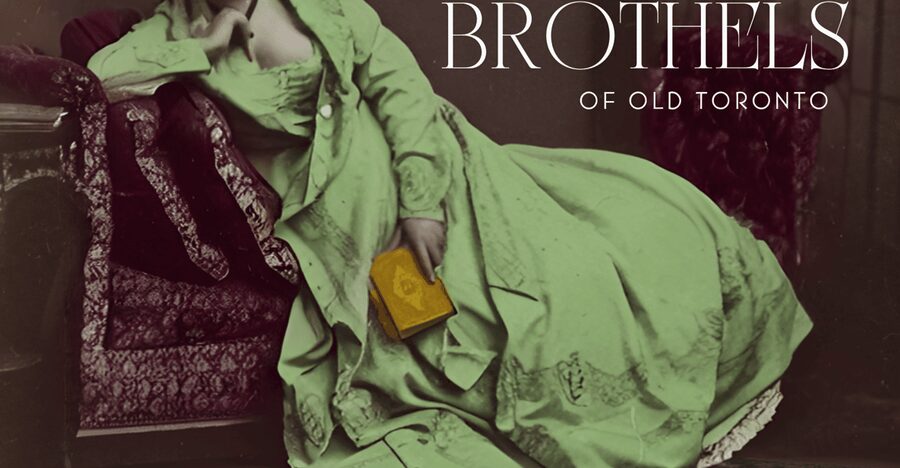
- More than 100 former brothel sites: The route is based on archival work that identified brothel locations across 1800s Toronto.
- Led by a history professor: Guides including LK and Charlotte teach through stories, images, questions, and historical evidence.
- A close look at women’s lives: The tour considers sex workers and madams as workers, business operators, and people navigating limited choices.
- Secret rules and visual clues: Learn about brothel codes, interior design, architecture, fashion, and the signs used to communicate discreetly.
- A 90-minute downtown walk: It begins and ends in St. James Park, at 120 King Street East.
- Adults only: The tour discusses mature themes and is intended for people aged 18 and over.
Why Toronto’s brothel story matters
Toronto often presents its early years through mayors, merchants, churches, railways, and grand civic buildings. This walk asks you to add another group to that picture: the women who worked in or ran brothels, along with the clients, police officers, landlords, and business owners connected to them.
That shift matters because sex work was not an isolated side story. The tour explains why sex workers and madams could be treated as essential workers in the growing city. Their work generated money, created informal networks, and occupied real commercial spaces. The people involved were part of Toronto’s social and economic life, even when respectable society tried to keep them out of public memory.
I appreciate that the tour does not present the past as a string of naughty anecdotes. The scandals are part of the appeal, but the larger question is how a city decides whose work deserves to be remembered. The result is a more complete look at Old Toronto, including people whose names and lives were often pushed aside by shame.
The subject also requires care. Historical sex work involved agency, but it also involved danger, poverty, disease, coercion, assault, and violence. A useful tour has to hold those truths together. This one aims to show the choices some women made while also explaining the limits placed on those choices.
More Walking Tours in Toronto
- Show me the City! A Small Group Walking Tour of Toronto
★ 5.0 · 621 reviews - Toronto Distillery District Walking Tour
★ 5.0 · 327 reviews - Toronto: City Highlights Walking Tour | 3-Hour
★ 4.6 · 306 reviews
Meeting in St. James Park
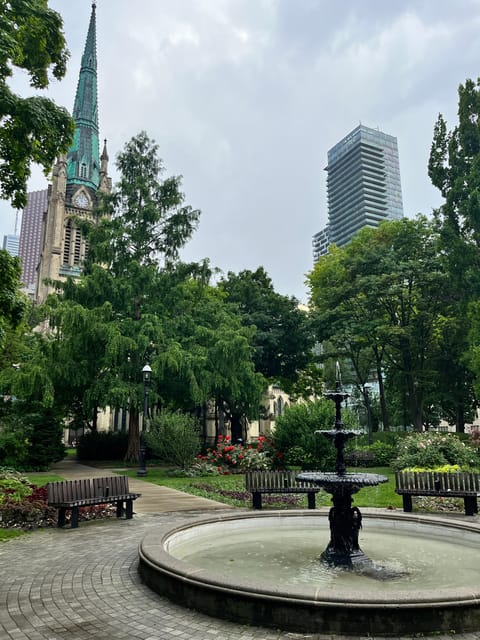
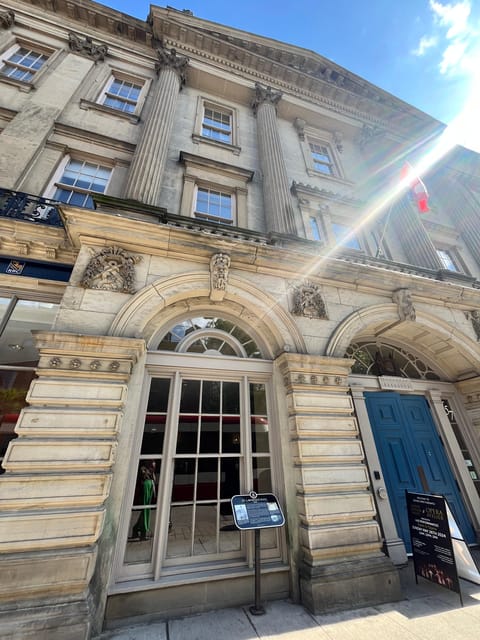
The walk starts in St. James Park, at 120 King Street East. Meet your guide just north of the black swan fountain. This is a practical meeting point in the old city, and the tour both begins and ends there, so you do not need to arrange a separate ride back from another part of Toronto.
Arrive ready to walk. Comfortable shoes matter more than smart clothes, and a bottle of water is sensible. Bring clothing for the weather, since the tour operates in rain and other conditions rather than moving indoors when the sky turns sour.
The guides have made a point of preparing groups for wet weather. One group continued through thunder and heavy rain, which tells you two useful things: the storytelling can hold attention outdoors, but you should not treat the weather advice as a formality.
The meeting area also helps set the tone. You are not entering a recreated brothel or a theatrical set. You are meeting in the present-day city and then learning how to read streets, buildings, and public spaces through their older uses.
Reading the streets of Old Toronto
The route visits former brothel locations and streets connected with the sex trade in the 1800s. Some sites are likely to look ordinary now. That is part of the point. A modern building or familiar intersection can conceal a past that is not obvious from its current appearance.
You will hear about lost streets, forgotten photographs, and buildings that once housed brothels. The guide uses these places as evidence, not just scenery. Standing where people once worked, walked, spent money, and tried to avoid police attention gives the information a physical anchor.
I find this kind of urban history more useful than a list of dates. When a guide connects a surviving street pattern with a vanished address, you begin to see the city as layered rather than fixed. The route can change your view of places you already know, especially if you live in Toronto and pass through the area often.
There is a practical limit. The tour does not offer a complete architectural survey of every former site, and the information must be delivered while the group moves through active downtown streets. Stay alert at crossings, listen for directions, and expect the guide to balance storytelling with group safety.
Stories of sex workers and madams
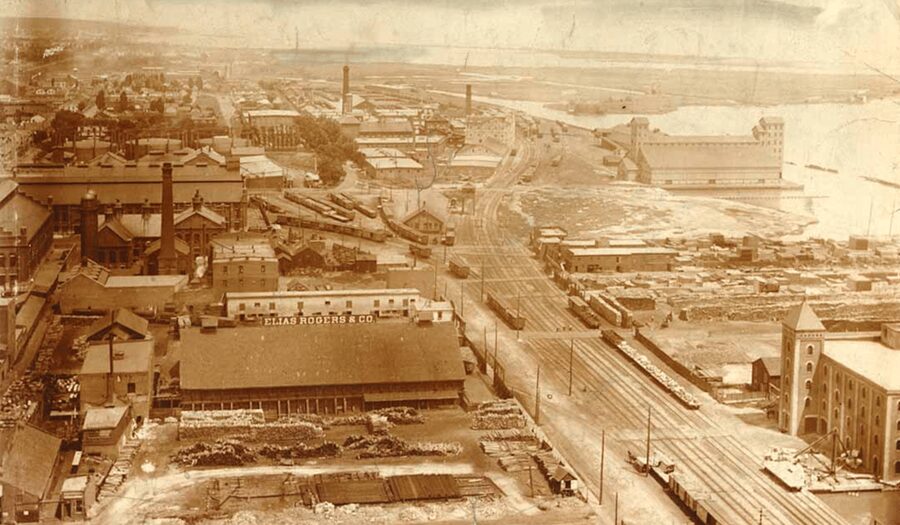
The heart of the tour is its attention to individual women. Instead of treating sex workers as anonymous figures in a moral tale, the guide discusses their work, their clients, their money, and the ways they operated within Victorian Toronto.
Madams receive particular attention. The tour explains how they ran establishments, used rules and codes, and managed relationships with workers and clients. That makes the brothel less like a vague symbol of vice and more like a workplace with systems, risks, and business decisions.
You also learn about what some women did with their money. These details matter because they challenge the narrow image of women in the 1800s as people with no financial or social power. The tour does not suggest that sex work was easy or safe. It shows how some women used the income and independence available to them, even within a harsh set of choices.
The stories are built from small records and material evidence. Police reports can reveal an argument, an address, a name, or a relationship. Interior details, photographs, clothing, and objects can then help explain how people lived and presented themselves. This focus on ordinary people is one of the tour’s strongest features.
The guide also leaves room for questions. LK is described as an engaging teacher who welcomes discussion, and Charlotte has been praised for taking time with questions and making participants feel safe. That matters here, since the subject can raise difficult points about gender, class, sexuality, race, power, and historical judgment.
Same trip, a completely different kind of day out:
- Toronto: Casa Loma Entry Ticket
★ 4.7 · 2,705 reviews - Toronto: Harbor and Islands Sightseeing Cruise
★ 4.7 · 2,566 reviews - Toronto: City Sightseeing Hop-On Hop-Off Bus Tour
★ 4.3 · 2,544 reviews - Toronto: Ripley’s Aquarium of Canada Entry Ticket
★ 4.7 · 1,748 reviews
Codes, interiors, fashion, and quiet signals
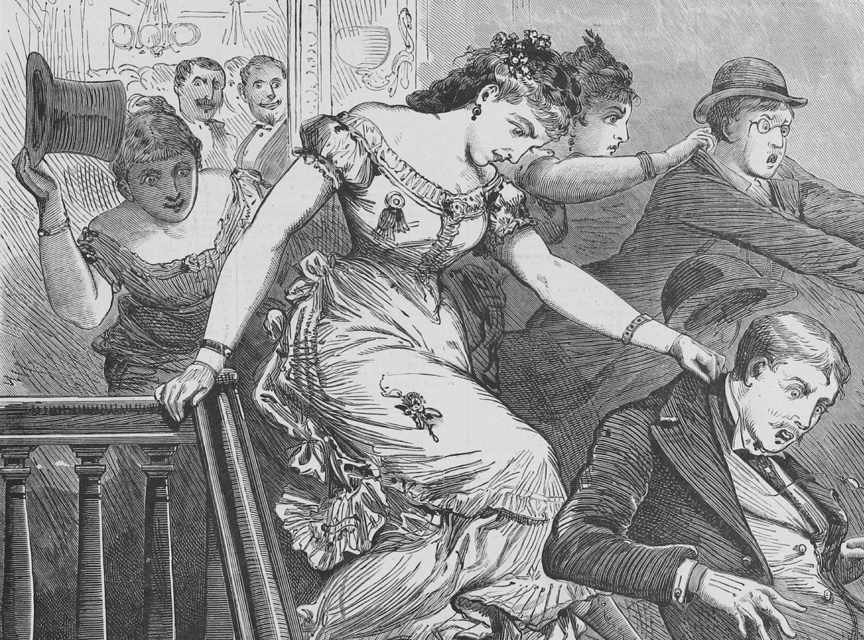
One of the more unusual parts of the experience is the explanation of secret brothel codes and rules. These codes helped people communicate discreetly and organize the business without spelling everything out in public.
The architectural discussion adds another layer. You will look at how buildings and interiors could support privacy, movement, work, and supervision. The details help explain how a brothel functioned in practice, rather than leaving it as a shadowy place in the background of a scandal.
Fashion is also part of the story. Clothing was not only about style. It could signal status, occupation, respectability, or intent, and it shaped how women moved through public spaces. The guide uses historical fashion to show how appearance could work as a social tool.
You may be shown rare photographs and hands-on artefacts during the tour. These items give the stories a material feel. A written report tells you what happened; an object or image can show how people presented themselves and what sort of rooms or clothing formed part of their daily lives.
Photography is allowed, but audio and video recording are not. Take still photographs of places and permitted materials, but do not plan to record the entire talk for later. That rule keeps the walk focused on listening and helps protect the presentation of sensitive material.
The clients, scandals, and spy rings
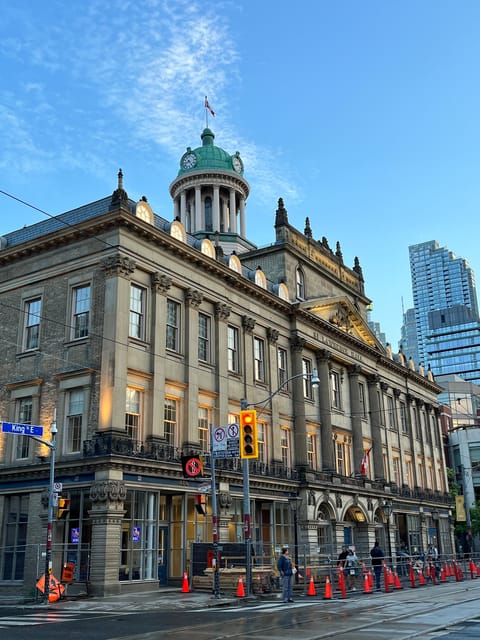
The tour does not look only at the women who worked in brothels. It also asks who paid for their services and what those connections reveal about Old Toronto.
Clients could come from different parts of society. The scandals connected with them help show how public respectability and private behavior could coexist. A city might condemn brothels in public while people with money, influence, or social standing used them in private.
The stories also touch on spy rings and the scandals that shook Toronto. These accounts add political and social tension to the walk. They show that brothels could function as places where information, gossip, money, and personal connections crossed paths.
I would not book this expecting a neatly arranged list of famous names. The value is in the links between people and institutions. A police report, a business address, a client, and a building can reveal how the city worked beneath its respectable surface.
The strongest moments are likely to come when the guide connects a scandal to a real street or surviving structure. The city becomes easier to question. You may start asking what else is missing from the standard plaques and official accounts around you.
A guide-led history lesson, not a costume show
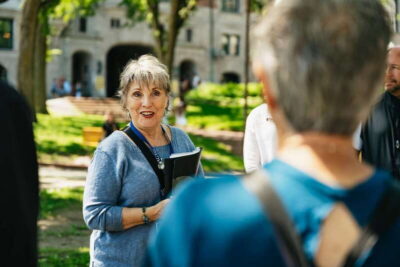
The tour is led in English by a live guide, with history professors among the guides. LK’s teaching background comes through in the way the material is presented, with room for questions, context, and further reading. Charlotte is another named guide associated with the experience.
That academic grounding is useful, but the walk is not meant to feel like a classroom lecture. The best descriptions of the experience point to a guide who can explain complex social structures in plain language and keep the stories moving.
You should expect a mixture of spoken storytelling, photographs, artefacts, and stops at relevant locations. The guide’s enthusiasm is a major part of the experience. This is not a self-guided route where you simply follow a map and read dates from a phone.
The format also means quality can depend on the guide on duty. The tour has earned a 4.9 rating from 71 reviews, and the strongest praise centers on the guides’ preparation, warmth, and ability to tell stories. If you prefer a quiet walk with little group interaction, this may feel more social than you want.
How much value do you get for $19?
At $19 per person, this is a good-value Toronto activity if you want a focused local history experience. The price is modest for a live, research-based walk lasting about 90 minutes, and the subject is far more specific than a standard downtown orientation tour.
You are paying for interpretation rather than entry to a museum or a restored building. There is no indoor exhibition, meal, transport, or hotel pickup. The value comes from the guide’s research, the route through former sites, the photographs and artefacts, and the connections between individual stories and city development.
The price also works well for locals. Several people who had lived in Toronto for many years found that the tour changed how they saw familiar streets. That is a useful test for any city walk: it should offer more than facts you can pick up from a quick search.
The possible drawback is timing. The stated duration is 90 minutes, but the experience can run as long as two hours. If you have a tight dinner reservation or a connecting activity, leave extra room. The longer run time may mean more questions and fuller stories, but it can make the schedule less predictable.
Who should take this walk?
I would recommend it to adults interested in social history, women’s history, LGBTQ history, urban development, labour, policing, architecture, or the less polished side of Victorian Toronto.
It also suits people who already know the downtown core. Familiar streets become useful evidence, and the walk can give you a new reason to return to places you have seen many times.
You should be comfortable with direct discussion of sex work and historical violence. The tour is not recommended for children under 18, and the mature themes are not softened into harmless entertainment.
This is also a good choice for visitors who have already covered Toronto’s most familiar attractions. It offers a distinct way to understand the old city without requiring a full-day commitment.
The tour is wheelchair accessible, but it remains an outdoor walking experience. If you use a wheelchair or have specific mobility needs, checking the route details and current start time before booking is still sensible, especially in poor weather.
Practical advice for the day
Wear shoes you can walk in for at least 90 minutes. Bring water, a camera, and clothing suitable for the forecast. Since the walk runs in all weather, a rain layer is more useful than hoping for a clear evening.
Photography is permitted, but audio and video recording are not. Keep your phone available for photographs and directions, not as a substitute for listening.
The tour starts and ends near the black swan fountain in St. James Park. There is no hotel pickup or drop-off, so plan your own way to King Street East.
You can cancel up to 24 hours before the start for a full refund, and the reserve-now, pay-later option allows you to hold a place without paying immediately. Those terms are helpful if your Toronto plans are still shifting.
Should you book the Brothels of Old Toronto tour?
Book it if you want a serious, unusual look at the people and businesses left out of standard Toronto storytelling. The strongest reasons are the archival research, the focus on real women and madams, the use of photographs and objects, and the guides’ clear enthusiasm for the subject.
Skip it if you want a short, lighthearted walk with little discussion of violence or sexuality. Also allow up to two hours rather than planning your day around a strict 90-minute finish.
For $19, this is an unusually focused way to see Old Toronto. You will not simply hear scandalous tales. You will learn how sex work connected with money, architecture, fashion, policing, and the growth of the city. That makes the tour worthwhile for visitors and locals alike.
FAQ
How long does the Brothels of Old Toronto Walking Tour last?
The listed duration is 90 minutes. Tours may run from 90 minutes to two hours, so leave extra time in your schedule.
Where does the tour begin and end?
The tour begins and ends in St. James Park at 120 King Street East. Meet the guide just north of the black swan fountain.
Is the tour suitable for children?
No. The tour is for people aged 18 and over and discusses sexuality, disease, assault, and violence.
What language is the tour offered in?
The tour is offered in English with a live guide.
Is the tour wheelchair accessible?
Yes, the activity is listed as wheelchair accessible.
What should I bring?
Bring comfortable shoes, water, a camera, and clothing suitable for the weather. The tour operates in all weather conditions. Photography is allowed, but audio and video recording are not.
Just added around Toronto
- Toronto: Craft Brewery Tour★ 5.0 · 8 reviews
- Toronto Waterfront and Islands Guided Bicycle Tour★ 4.9 · 80 reviews
- Toronto: Toronto Raptors NBA Game Ticket at Scotiabank Arena★ 4.6 · 88 reviews
- Toronto: Must Do NonTouristy Street Art Tour by local Artist★ 4.9 · 30 reviews
- Toronto: Toronto Zoo Entry Ticket★ 4.1 · 68 reviews
- Toronto: Short Distillery District Segway Tour★ 4.8 · 55 reviews
- Toronto: Toronto Maple Leafs Game Ticket at Scotiabank Arena★ 4.6 · 43 reviews
- Toronto: Sailing Yacht Cruise of Toronto Harbor and Islands★ 4.7 · 12 reviews
Walking Tours, compared.
Old Quebec City: Grand Walking Tour with Private Option
The full write-up →
The Original Old Montréal Walking Tour by Guidatour
The full write-up →
Old Montreal Small-Group Walking Tour | Max 10 | by MTL Detours
The full write-up →
Old Quebec Classique Walking Tour with Funicular
The full write-up →
Vancouver Lost Souls of Gastown Walking Tour
The full write-up →
Quebec: Crimes of New France Animated Walking Tour
The full write-up →Browse the lists this tour appears in