
Reviewed · CANOES & KAYAKS
Algonquin Park: Canoe Camping Safari
Algonquin’s best moments often arrive quietly: a loon calling across the water, a bull moose feeding near the shore, or wolves singing after dark. This three-day canoe camping safari gives you time to notice those things, with a guide handling route choices, meals, permits, and camp routines. Moose watching and fishing are major draws, with the operator citing a 90 percent success rate for both.
I like the small group size, limited to eight people, and the way the trip welcomes beginners from age seven upward. I also like the practical comfort provided in camp, including a sleeping bag with a fresh liner, air mattress, pillowcase, hammock, bug jacket, and cooked meals. The main caution is weather: rain can turn this into a damp, demanding trip, and one recent outing had tents that leaked during a storm.
Key points at a glance
- Moose spotting is a central goal: Guides take you toward productive wildlife areas, with a stated 90 percent success rate for moose photography.
- Beginners can join: You need no previous canoeing or camping experience, though paddling, carrying gear, and walking in shallow water take effort.
- The group stays small: A maximum of eight participants allows for close guidance and easier camp teamwork.
- Camp comfort is partly covered: Tents, sleeping gear, hammocks, bug jackets, meals, and permits are included.
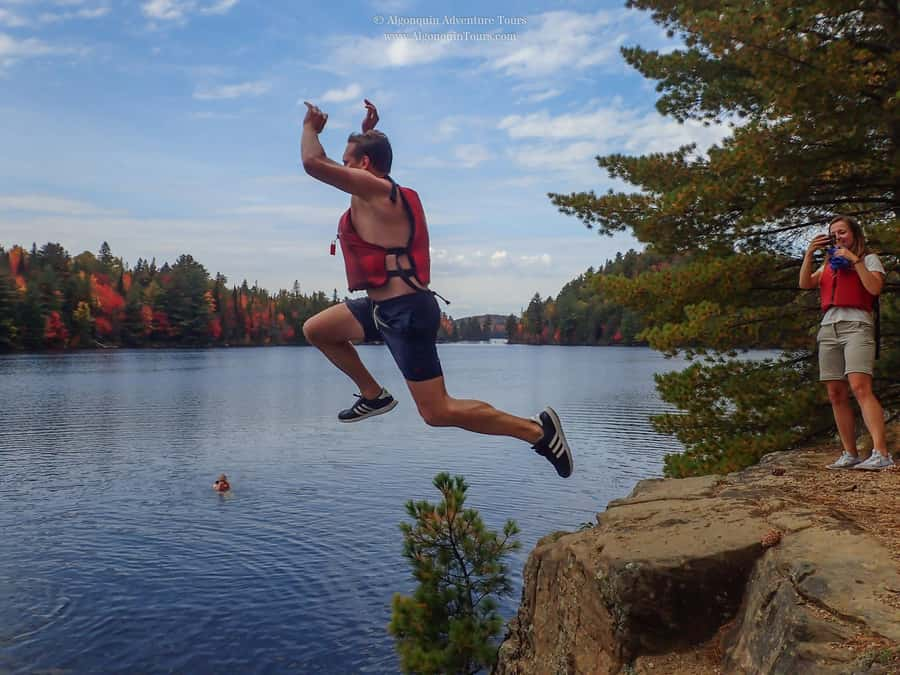
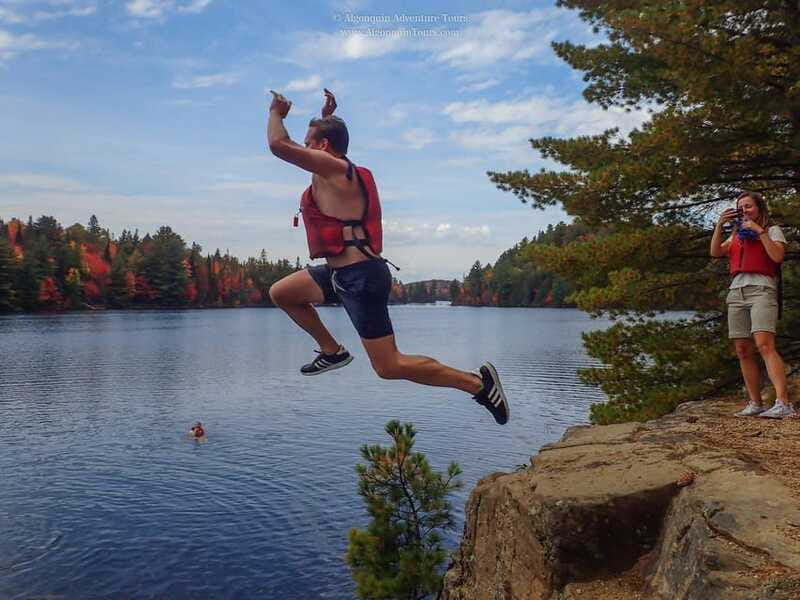
- The setting stays active: Along with canoeing, you can fish, swim, hike, and, where suitable, try cliff jumping.
- Rain gear is not optional: Bring proper wind and waterproof protection, plus shoes that can handle rocky, knee-deep water.
Why three days on Algonquin’s waterways works
Algonquin Provincial Park is made for slow travel. The canoe is not simply transport here. It is your way into quiet bays, narrow passages, wildlife areas, and campsites that are reached by water. Over three days, you have enough time to settle into the rhythm instead of rushing through a single scenic outing.
The trip is guided in English and limited to eight people. That matters in a canoe setting. You can ask questions without shouting across a large group, and your guide can give direct help with paddling, portaging, wildlife watching, and camp tasks.
You should still expect real work. You may step out of the canoe into water, walk over rocks and cut beaver wood, paddle against wind, and help manage your personal belongings. This is guided wilderness camping, not a lodge stay with a canoe ride attached.
More Canoe & Kayak Tours in Muskoka
- From Toronto: Algonquin Park Canoeing & Hiking Adventure
★ 4.6 · 291 reviews - 6 Hour Algonquin Park Canoe Trip
★ 5.0 · 86 reviews - Algonquin Park: Guided Canoe Day Tour
★ 4.8 · 71 reviews
Meeting at Canoe Lake, beyond Highway 60
The trip begins at Canoe Lake beach inside Algonquin Park. Watch for the small kilometre markers along Highway 60. From the west gate, take the Canoe Lake and Portage Store turnoff after kilometre 14. From the east gate, it is around kilometre 15.
Drive about 150 metres along Canoe Lake Road, park in the first lot, and carry your bags down to the beach. The meeting area is near the Ontario Parks building at the far end of the beach. Look for staff, canoes, or a van with a Canadian flag logo.
If rain is coming down hard, the meeting point moves to the outside deck of the Ontario Parks Canoe Lake permit building. You should arrive prepared to start outdoors. Closed-toe shoes, a change of clothes, a towel, and water shoes belong near the top of your packing list.
Parking for one vehicle per booking and camping permits are included. That saves you some planning, but the meeting instructions are specific, so it is worth checking your route before entering the park.
Day one: learning the canoe and finding your wilderness rhythm
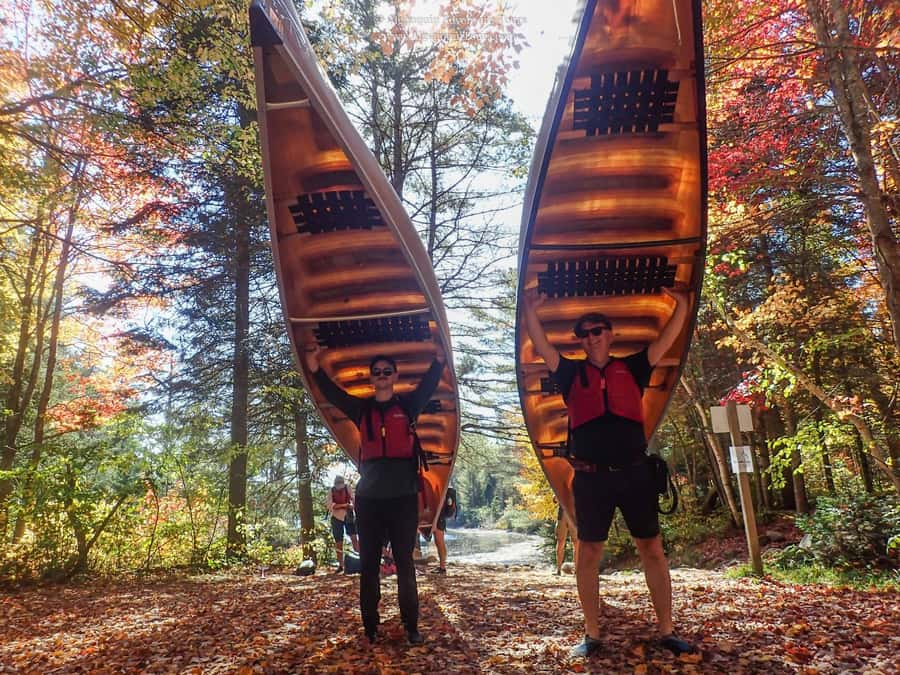
The opening hours are about getting comfortable on the water. Your guide gives instructions before you set off, then helps you learn the basics as the trip progresses. This works well for first-time paddlers because you are not expected to arrive with a complete set of canoe skills.
The group may be given small tasks or challenges along the way. On one trip led by Gill, these helped younger participants stay involved, while jokes and stories kept the mood easy. That is useful on a canoe trip, where a long quiet stretch can feel peaceful to one person and tiring to another.
The route itself is not fixed in the information provided, so you should not expect a named series of lakes or a guaranteed campsite. Instead, the guide chooses the day’s movement and wildlife opportunities within the park. The value is local judgment: knowing where to look, when to pause, and how much distance suits the group.
Wildlife viewing begins early. Algonquin is particularly known for moose, and the guide’s role is to steer you toward promising habitat while keeping the group safe and respectful. Bring your camera, but do not treat a photograph as the only measure of a good outing. Still water, bird calls, and a quiet shoreline are part of the experience.
Camp setup, hammocks, and meals by the fire
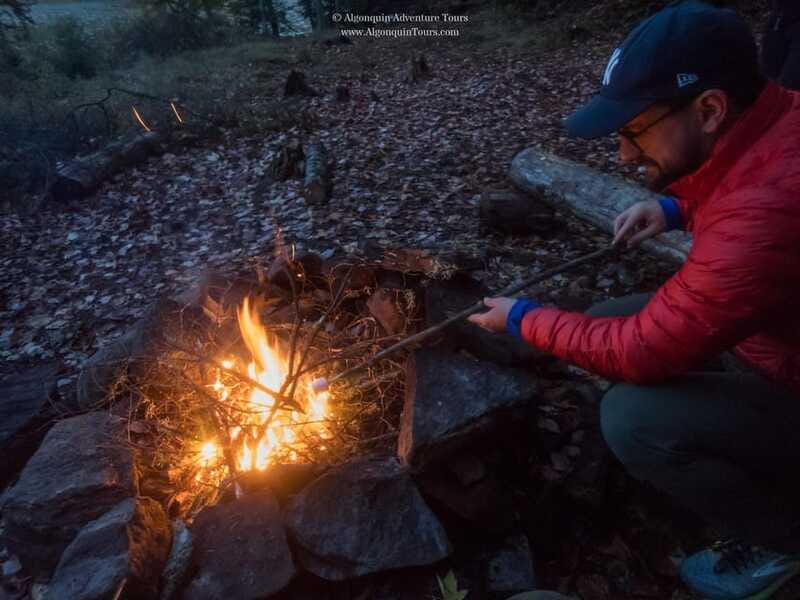
Once camp is established, the trip becomes less about covering distance and more about living outdoors. You receive a tent, air mattress, camping pillowcase, sleeping bag with a fresh liner, hammock, and bug jacket. The operator also supplies biodegradable soap for bathing.
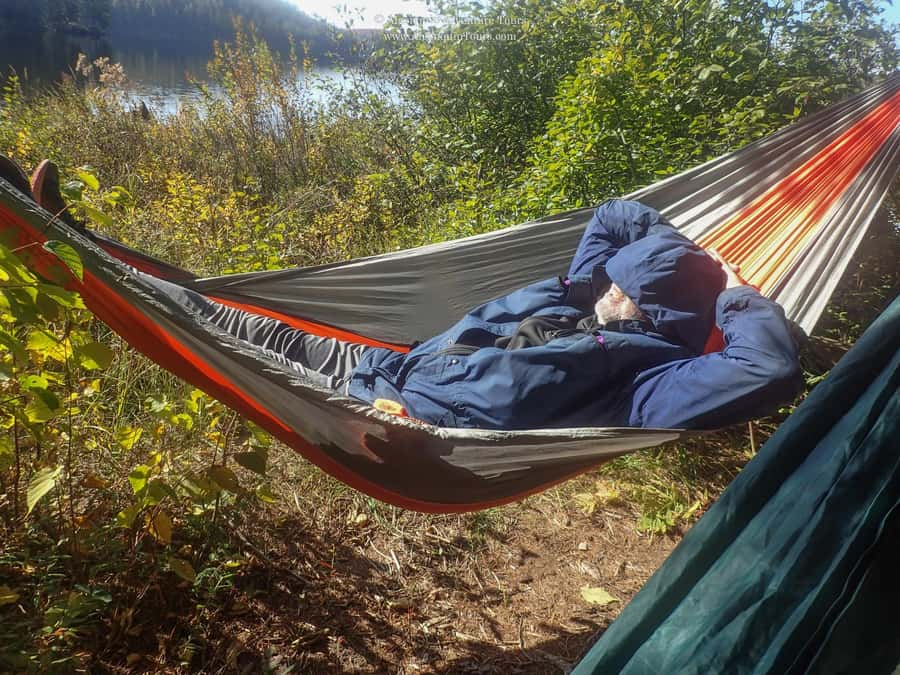
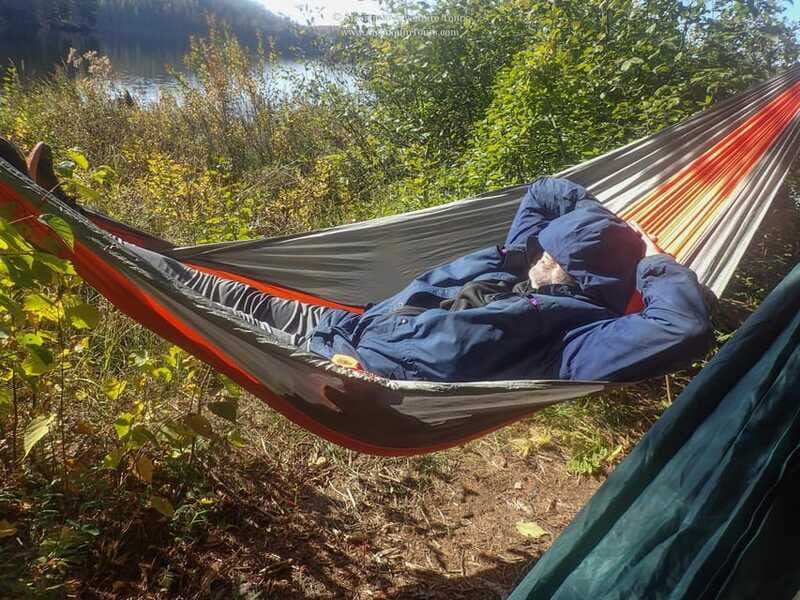
The hammock may be the simplest luxury of the trip. After paddling, it gives you a place to rest while listening for loons or watching the water. A campfire meal adds another useful touch. The food is described as gourmet and wholesome, and several outings received praise for the cooking. Jess was specifically credited with preparing excellent menus, while Gill handled meals and camp duties with care.
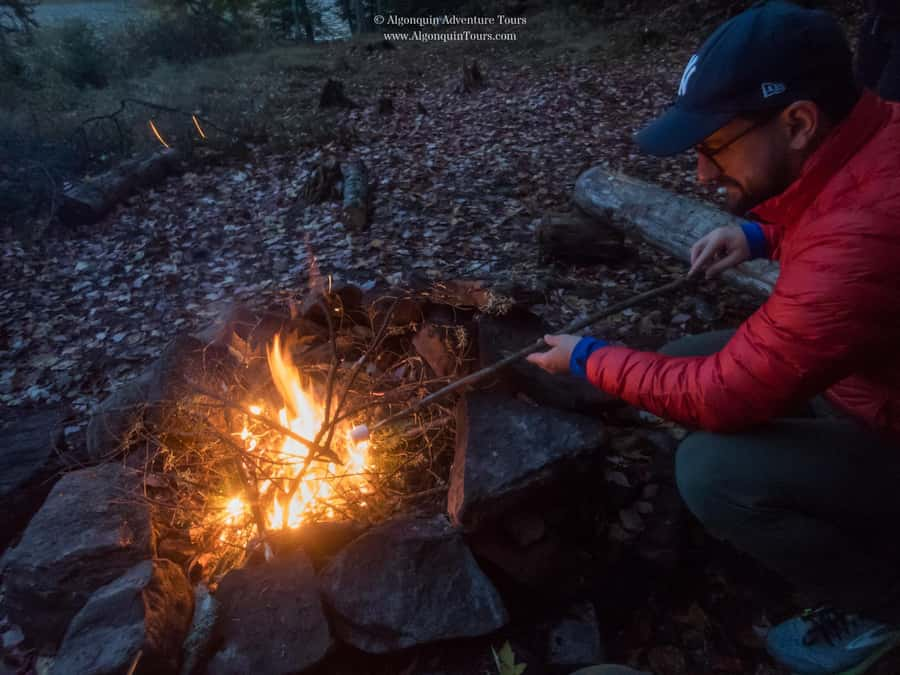
S’mores and Henrietta’s are included as treats. The exact meaning of Henrietta’s is not explained in the supplied details, so you should regard it as a camp specialty rather than expect a particular dish.
Do not bring extra camping gear. Space is limited, and personal tents, sleeping bags, cosmetics, food, and gum are not wanted. Scented items can attract bears, so keep toiletries to a toothbrush and toothpaste. The guide provides biodegradable soap.
Same trip, a completely different kind of day out:
- Toronto: Algonquin Park and Ragged Falls Day Trip
★ 4.8 · 86 reviews - Algonquin Provincial Park Day Tour from Toronto
★ 4.5 · 72 reviews - Algonquin Park 3-Day Deluxe Camping & Canoeing Adventure
★ 4.5 · 52 reviews - Algonquin Park 4-Day Deluxe Camping & Canoeing Adventure
★ 5.0 · 33 reviews
Moose, fishing, and the best reasons to bring a camera
Moose photography is one of the strongest reasons to choose this trip. The stated 90 percent success rate is unusually specific, though no wildlife sighting can be guaranteed in nature. Your guide’s local knowledge improves your chances, especially when combined with time on the water and a small group.
A moose sighting can be brief. Keep your camera ready, but also keep your eyes away from the screen often enough to see the animal properly. The chance to watch a bull moose from a canoe is more memorable than collecting a rushed photograph.
Fishing is also included, with the same advertised 90 percent success rate. The supplied information does not specify species, equipment, or whether a fishing licence is required, so ask the provider before departure if fishing is a major reason for your booking.
You may also pick berries in suitable spots, hike, swim, or try cliff jumping. These options make the trip more varied, especially for families with older children and mixed-age groups. They are activities to approach according to conditions and your own comfort. A swim or jump should never distract from the basic need to move safely around rocks, water, and boats.
Day two: more water, a hike, and time to slow down
The middle day is likely to feel like the heart of the trip. You are already familiar with the canoe, so attention can shift toward the park itself. The guide may take you toward wildlife areas, berry-picking spots, fishing water, or a hiking route.
The hike provides a change from sitting and paddling. It also gives you a different view of the forest and waterways, though the supplied details do not specify its length or difficulty. Wear closed-toe shoes that can get wet and dirty. Water shoes are recommended for entering and leaving the canoe, but sandals and flip-flops are not allowed.
This is also a good day for the hammock and a slower camp rhythm. The point is not to fill every hour. You can watch the shoreline, listen for loons, and enjoy a break from phones and schedules. At night, the park may offer the sounds of wolves, insects, and the fire. The experience is strongest when you allow some silence.
Day three: the paddle back may test you
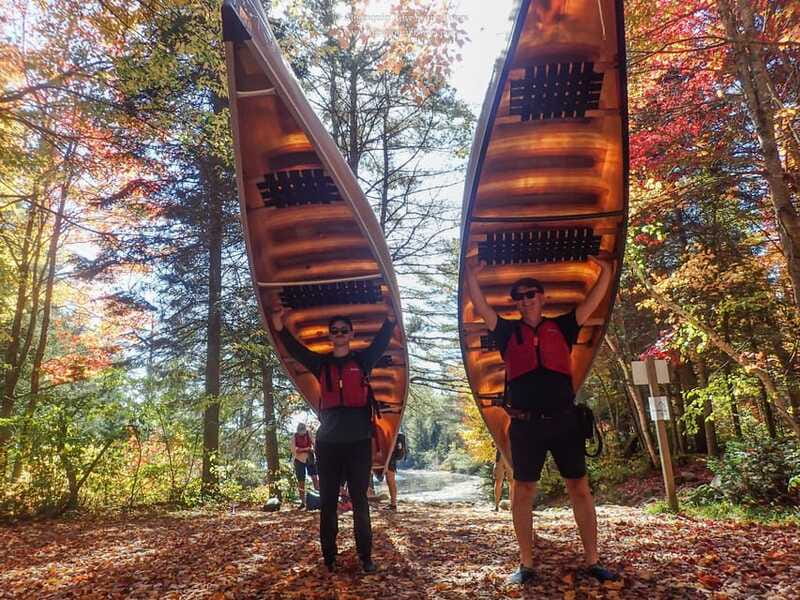
The final day brings the return journey, and wind can change the character of the paddle. One outing ended with a tiring push against the wind. That is a useful warning for anyone who imagines three days of effortless drifting.
Your guide sets the pace, but you should arrive with the fitness to paddle and manage wet-foot entries and exits. The tour suits people who accept a little discomfort as part of the reward. It is not a good match if you dislike physical effort, uncertain weather, or sleeping in a tent.
The return also gives you a chance to appreciate how much the group has learned. Beginners who were tentative on the first morning may feel more confident handling the canoe by the end. You finish with the included souvenir water bottle, but the real keepsake is the sense of having spent several days moving at wilderness speed.
What the $519 price includes
At $519 per person, this is not a cheap day trip. The price covers three days of guided access to the park, camping, canoe and paddle, life jacket, permits, one vehicle’s parking, sleeping equipment, hammock, bug jacket, meals, wildlife viewing, fishing, swimming, hiking, and the listed camp treats.
That bundle changes the value calculation. You are not paying only for instruction or scenery. You are also avoiding the cost and trouble of buying or transporting a canoe, tent, sleeping bag, cooking equipment, and camping permits. The guide handles meals and route decisions, which can make a first wilderness trip much less intimidating.
The price is less appealing if you already own all your camping gear and prefer to plan your own route. It is more attractive if you want a guided introduction without buying a full kit. The small group limit is another part of the value, since eight people is manageable for teaching and shared camp tasks.
Rain, bugs, and the gear you should bring
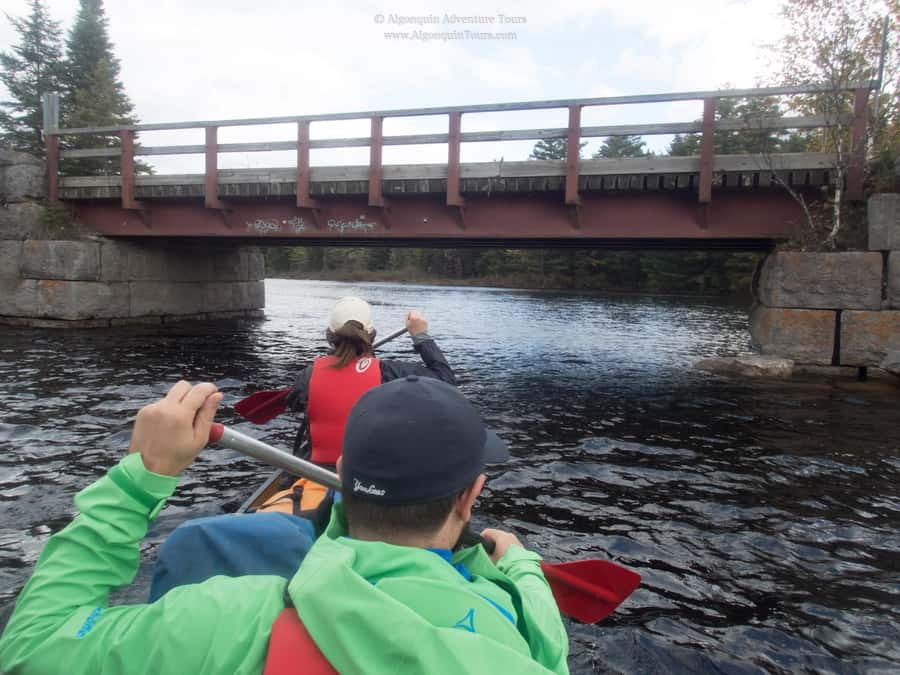
Good rain gear is essential. Pack a proper waterproof and windproof jacket and trousers, not just a light poncho. One trip had a rough experience with tents that were too small and failed during heavy rain, so you should be realistic about the limits of wilderness shelter.
Bring warm clothing, sunglasses, a sun hat, swimwear, a towel, sunscreen, a flashlight, a camera, water shoes, and closed-toe shoes. Bring a change of clothes because your feet and lower legs may get wet when entering the canoe.
Do not bring insect repellent, even though insects are part of summer camping. The operator supplies a bug jacket and has restrictions designed around the park environment and scent control. Smoking is not permitted. Up to four ounces of alcohol is allowed in a suitable container, but you must hand it to the guide for storage and only drink it after dinner and out of the water.
The no-food rule is important. Do not pack snacks, gum, cosmetics, or personal camping equipment. Space is tight, and scented products can attract bears. If you use nicotine or medical cannabis, the instructions allow non-polluting options such as a vaporizer, edible, or patch, but smoking anything is forbidden.
Who will enjoy this canoe camping safari
This trip works best for adults, families, and first-time campers who want expert support without giving up the feel of wilderness travel. Children aged seven and older can join, provided they are ready for paddling, wet entries, camp routines, and changing weather.
A guide such as Gill can make a big difference for a mixed-age group, using simple tasks and humor to keep younger participants engaged. Guides such as Jess also add value through park interpretation and meal preparation. The exact guide is not guaranteed, but the experience depends heavily on the person leading it.
You should book if you want moose watching, quiet water, campfire meals, and a chance to learn canoe camping without supplying the main equipment. You should think twice if you need hotel-level comfort, dislike getting wet, or want a tightly scheduled sightseeing program.
Should you book it?
I would choose this Algonquin canoe camping safari for the small group, strong wildlife focus, included gear, and three-day pace. The highly praised guides, especially Gill and Jess, appear to be a major part of the experience, adding safety, humor, natural history, and good food.
Book it if you can accept that rain, wind, bugs, and tired arms come with the deal. Pack serious rain protection, keep your personal gear light, and treat the moose sighting as a possibility rather than a promise. For a supported first step into Algonquin’s backcountry, $519 can be fair value.
FAQ
How long is the Algonquin canoe camping safari?
The experience lasts three days.
Where does the tour meet?
The meeting point is on the beach at Canoe Lake in Algonquin Provincial Park, near the Ontario Parks building at the far end of the beach. In heavy rain, the group meets on the outside deck of the Ontario Parks Canoe Lake permit building.
Is previous canoeing or camping experience required?
No. The trip is designed for beginners as well as experienced outdoor participants. You should still be comfortable with some physical effort, wet-foot entries, paddling, and sleeping in a tent.
What equipment is included?
The tour provides a tent, air mattress, camping pillowcase, sleeping bag with a fresh liner, hammock, bug jacket, canoe, paddle, life jacket, camping permits, and a souvenir water bottle.
What age group can join?
Participants must be at least seven years old.
What should I bring?
Bring warm clothing, sunglasses, a sun hat, swimwear, a change of clothes, a towel, a camera, sunscreen, water shoes, a flashlight, good rain gear, and closed-toe shoes. Do not bring sandals, flip-flops, food, alcohol or drugs, smoking materials, insect repellent, cosmetics, or personal camping gear.
Just added around Muskoka
- Guided Tours Algonquin Park★ 5.0 · 6 reviews
- 3 Hour Algonquin Park Bass & Trout Fishing (private- price is for 1 or 2 people)★ 5.0 · 5 reviews
- Toronto: Muskoka Cranberry Farm and Hardy Lake Hike★ 5.0 · 6 reviews
- Muskoka: High Falls, Hardy Lake, & Huckleberry Rock Tour★ 4.3 · 7 reviews
- From Toronto: Blue Mountain Day Trip Skiing Snowboarding★ 4.0 · 4 reviews
- Collingwood: Blue Mountains Wine and Cider Tasting Tour★ 4.3 · 4 reviews
- Algonquin Park: Deluxe 4-Day/3-night Canoeing/Camping★ 5.0 · 5 reviews
- Private Boat Tour at Fathom Five National Marine Park★ 5.0 · 24 reviews
Canoes & Kayaks, compared.
From Toronto: Algonquin Park Canoeing & Hiking Adventure
The full write-up →
Banff National Park: Big Canoe River Explorer Tour
The full write-up →
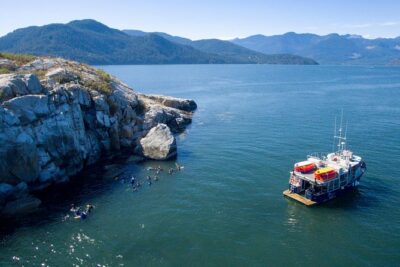
Snorkel, Kayak, and Seal Adventure: Vancouver Boat Tour
The full write-up →
Wild Current Canoe Adventure Join a small group
The full write-up →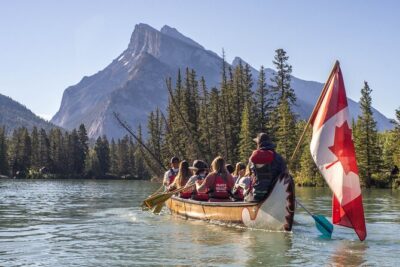
River Explorer | Big Canoe Tour in Banff National Park
The full write-up →
Browse the lists this tour appears in