
Reviewed · FOOD TOURS
A Wok Around Chinatown: Culinary and Cultural Walking Tour Led by a Chef
Vancouver’s Chinatown comes into focus through food on this four-hour walk led by chef and guide Bob Sung, with Thomas also leading some departures. You begin at the Dr. Sun Yat-Sen Classical Chinese Garden, then move through shops, food stops, cultural sites, tea, and a full dim sum lunch.
I like the personal connection. Bob brings family and local ties to the neighborhood, and he links each dish to Chinese Canadian culture and history. I also like the small group, which makes it easier to ask questions and gives the food stops a friendly, informal feel.
The main consideration is pace. Some food is prepared while you wait, and the guide’s long explanations may feel slow if you prefer a quick tasting tour. Vancouver’s Chinatown also has empty storefronts and visible street disorder, realities this tour does not avoid.
Key points at a glance
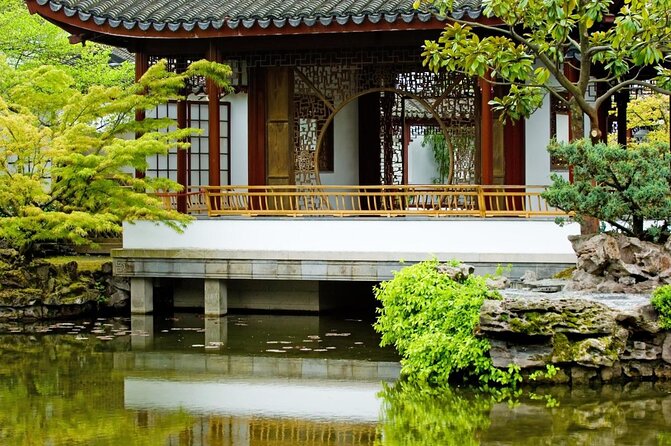
- The garden sets the tone: Start with the Dr. Sun Yat-Sen Classical Chinese Garden and its traditional Chinese ideas, rocks, water, and design.
- Food comes with context: Tastings, tea, and dim sum are explained as part of Chinese culture rather than treated as isolated snacks.
- Chef-led guidance: Bob Sung and, on some departures, Thomas bring cooking experience and personal insight to the walk.
- A proper lunch is included: You receive a sit-down dim sum meal, not just a string of small samples.
- Small groups help: The maximum is 14 people, with many departures running at a more intimate size.
- Allow four hours: This is a slow, talkative neighborhood tour, not a fast restaurant crawl.
A food tour that also explains Vancouver Chinatown
The best reason to book this walk is that it treats food as a way into the Chinese Canadian story. You are not simply handed a bun, dumpling, or sample and sent to the next shop. The guide explains what you are eating and places it within the story of Chinese immigration, work on the railroads, discrimination, community life, and the continuing role of Chinatown in Vancouver.
That approach gives the tour more weight than a standard tasting walk. I like learning why a food matters, how it fits into a meal, and what its preparation or presentation can say about culture. The tour also leaves room for personal questions, which is useful if you want more than a memorized list of dates.
Bob’s style is warm and conversational. Several parts of the tour are designed to feel like a local showing you favorite places rather than a formal lecture. That can make the experience engaging, though you should expect plenty of talking. If you prefer a tightly timed route with food waiting at every stop, this may feel leisurely.
The tour begins at 11:00 a.m. and returns to the garden meeting point after about four hours. That makes it a substantial morning and early afternoon activity. You will likely want a light breakfast, since the included tastings and dim sum lunch are described as generous.
More Food Tours in Vancouver
- Gastown Historic Walking Food Tour
★ 5.0 · 1,863 reviews - Granville Island Market Food Tour by Vancouver Foodie Tours
★ 5.0 · 552 reviews - Vancouver: Gastown Historical Walking Food Tour
★ 4.8 · 539 reviews
Beginning at the Dr. Sun Yat-Sen Classical Chinese Garden
The first stop is the Dr. Sun Yat-Sen Classical Chinese Garden at 578 Carrall Street. Admission is included, so you do not need to arrange a separate visit for this part of the experience.
The garden provides a calm opening before the city walk begins. The guide uses its design to introduce traditional Chinese values and ideas, including the symbolic role of rocks, water, and the relationship between heaven and earth. That context helps you notice details you might otherwise pass without a second look.
This is also one of the strongest parts of the route for visitors who want culture as well as food. You get a quiet urban setting, then a guide-led explanation of how the garden’s elements fit together. The garden changes with the season. In warmer months, leaves give it a fuller appearance, while late fall and winter reveal a spare, sculptural quality.
You should not rush this opening stop. The garden is not simply a pretty backdrop for a food tour. It establishes the themes that return later when the guide discusses symbolism, etiquette, and the role of food in Chinese life.
Walking through Chinatown’s shops and food stops
From the garden, the tour becomes a walking route through Vancouver’s Chinatown. You may enter cookware and herbal medicine shops, visit food businesses, and stop for sweet and savory samples. The exact order and selection can vary, since some food is arranged during the walk.
The cookware stop is useful because it connects shopping with cooking. Instead of seeing restaurant food as something separate from home life, you get a glimpse of the tools and habits behind Chinese cuisine. The herbal medicine shop adds another layer, especially if you have questions about traditional practices.
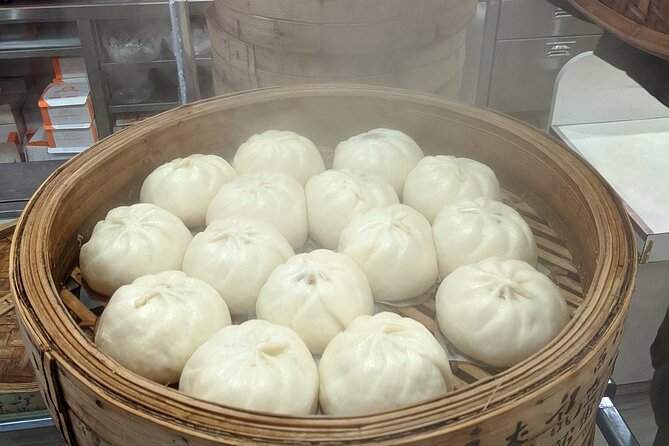
The food tastings can include Chinese barbecue, pork buns, dumplings, and other samples. One departure included jellyfish, so be prepared for a few items that may be unfamiliar. The guide’s job here is not only to point out what you like, but also to encourage you to try something outside your usual order.
A practical note: samples may be served from platters with toothpicks, and you may occasionally wait outside while food is prepared. That is the tradeoff for visiting working local businesses rather than moving through a prearranged display of food. If efficiency matters most to you, this part may feel less polished than a tour where every bite is ready on arrival.
The route also passes through a Chinatown that is changing. You will see empty buildings and street disorder in parts of the neighborhood. The tour does not present Chinatown as a spotless theme park. That honesty is valuable, but some people may find the surroundings uncomfortable or distracting.
The Chinese Canadian story behind the meal
The historical material is one of the tour’s strongest features. You learn about Chinese settlement in British Columbia, the work Chinese immigrants did in Canada, institutional racism, and the ways communities maintained language, customs, and food traditions.
The guide connects those subjects to places you are seeing rather than keeping them in the abstract. A museum or cultural site may document Chinese life in British Columbia, while family connections give the discussion a more personal edge. Bob has spoken about his own ties to the area, and one local museum visit included a connection to his family’s story.
I like this combination of public history and personal memory. It helps you understand Chinatown as more than a collection of restaurants. At the same time, the amount of explanation means this is not the right pick if you want a tour focused almost entirely on eating.
The historical discussion can also be serious. You may hear about exclusion, hardship, racism, and the struggle to build a life in Canada. That makes the food more meaningful, but it also gives the tour a reflective tone that may not suit someone looking only for a lighthearted afternoon.
More Walking Tours in Vancouver
- Vancouver Lost Souls of Gastown Walking Tour
★ 5.0 · 1,273 reviews - The Forbidden Downtown and Gastown Walking Tour
★ 5.0 · 476 reviews - Gratuity-Based Vancouver City Highlights 3 Hour Walking Tour
★ 4.5 · 320 reviews - Ancient Trees of Vancouver Walking Tour
★ 5.0 · 225 reviews
Dim sum lunch as the main event
The included dim sum lunch is the point where the smaller tastes become a full meal. You sit down and share a selection of dishes, with the guide explaining ingredients, meaning, and dim sum etiquette.
This is a major value advantage. Many food walks offer only a handful of bites, leaving you to buy lunch afterward. Here, the food samplings, tea, and dim sum are included in the price, so the meal is part of the planned experience rather than an extra expense.
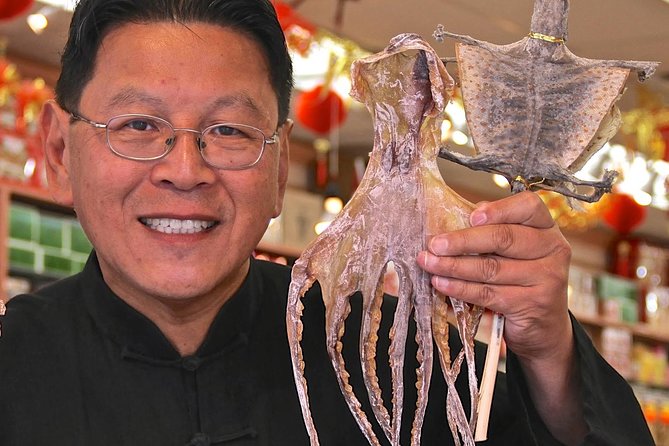
The lunch is also where the chef-led format matters most. Thomas is a retired chef, and the guide may discuss how dishes are prepared, how to approach the meal, and why certain foods have symbolic importance. The focus is not simply on filling your plate. You are shown how the meal fits into a broader social and cultural tradition.
Portions can be substantial. I would not schedule another major meal immediately afterward. The group may be asked to share dishes, making this a good fit for people comfortable trying several foods and eating communally.
There is one caution. At least one departure felt rushed during dim sum, while others found the pacing comfortable. Restaurant timing and the amount of explanation can affect how long you sit. If you want a relaxed, independent lunch with no schedule, a separate restaurant visit may suit you better.
Tea, symbolism, and the final stop
Tea is included and usually appears as an important part of the closing section. The tea service is not treated as a quick drink. You learn about its place in Chinese culture and the etiquette around serving and receiving it.
I like ending with tea because it slows the tour down after the walking and food. It gives you a chance to think about the cultural themes that have run through the day. The tea portion can feel almost ceremonial, depending on the guide and group.
Some people may find the tea stop less appealing if they are not interested in tea culture or if they dislike retail-oriented stops. The tour can include shops where you are encouraged to look at products, but purchasing is not part of the included price. You should feel free to browse without assuming you need to buy anything.
The final return to the garden meeting point makes the logistics simple. You do not need to find your way across Vancouver after lunch, and the start point is near public transportation.
What the $122.28 price includes
At $122.28 per person, this is not a cheap snack walk. The price makes more sense when you count what is bundled into the four hours: garden admission, multiple tastings, tea, a sit-down dim sum lunch, and a guide who handles the cultural and historical side of the visit.
You are also paying for access to a route you might not assemble easily on your own. It would be possible to visit Chinatown, eat dim sum, and enter the garden independently, but you would need to research the neighborhood, select food stops, and build the connections between them.
The value depends on what you want from a food tour. If you mainly want the largest number of tastings for the lowest cost, this may not be your best choice. Some stops involve discussion or waiting rather than constant eating. If you want a meal plus context and local interpretation, the price is easier to justify.
Alcohol is not included, though it may be available for purchase. Food allergies and dietary concerns should be provided when booking. The tour has a minimum of two people per booking and a maximum of 14 participants, so solo booking may not work unless the minimum is met through the booking arrangement.
Who will enjoy this Chinatown walk
I would recommend this tour to you if you like food with a story attached. It suits couples, families, and small groups who want to ask questions, try unfamiliar dishes, and spend a meaningful half day in one neighborhood.
It is especially useful on a first visit to Vancouver, since it gives you restaurant ideas, shops to revisit, and a clearer understanding of Chinese Canadian history. It can also work for repeat visitors who have already seen the main sights but have not explored Chinatown through food and community history.
Families should consider the long duration and the amount of walking. Most people can participate, but you should be comfortable standing, walking between stops, and remaining engaged during extended explanations.
This is less suitable for you if you want a fast-paced food crawl, dislike shared meals, or prefer to explore at your own speed. It may also disappoint if you expect every stop to be polished and tourist-ready. This is a working neighborhood, and the route reflects both its cultural importance and its present difficulties.
Practical details before you book
The meeting point is the Dr. Sun Yat-Sen Classical Chinese Garden, 578 Carrall Street. The tour begins at 11:00 a.m. and ends back at the same point after about four hours.
The activity is offered in English and uses a mobile ticket. Public transportation is nearby. The group maximum is 14, though smaller groups will feel more personal and make it easier to speak with Bob or Thomas.
Bring an appetite, comfortable walking shoes, and an open mind about unfamiliar food. Tell the operator about allergies or dietary restrictions before the tour. Free cancellation is available if you cancel at least 24 hours before the start time. Cancellations made later are not refunded.
Should you book A Wok Around Chinatown?
Book it if you want Vancouver Chinatown explained through food, family stories, gardens, tea, and a proper dim sum meal. The strongest feature is the connection between what you eat and the Chinese Canadian experience. Bob’s personal style, and Thomas’s cooking background on some departures, give the tour a human feel.
Skip it if you want a brisk route with no waiting, no long commentary, and only familiar dishes. The neighborhood’s visible problems are part of the setting, and the guide’s conversational pace will not suit everyone.
For the right person, this is a useful way to spend four hours: you leave full, better oriented, and more aware of why Chinatown matters to Vancouver.
FAQ
Where does the tour begin?
It begins at the Dr. Sun Yat-Sen Classical Chinese Garden, 578 Carrall Street, Vancouver, British Columbia.
What time does the tour start?
The tour starts at 11:00 a.m.
How long does the tour last?
It lasts approximately four hours.
Where does the tour end?
The tour ends back at the Dr. Sun Yat-Sen Classical Chinese Garden meeting point.
Is the dim sum lunch included?
Yes. The walking tour includes food samples, tea, and a dim sum lunch.
Is admission to the Chinese garden included?
Yes. Admission to the Dr. Sun Yat-Sen Classical Chinese Garden is included.
Are alcoholic drinks included?
No. Alcoholic drinks are not included, though they may be available to purchase.
How many people can join the tour?
The maximum group size is 14 people.
Can I report food allergies or dietary considerations?
Yes. You should provide food allergy and dietary information when booking.
What is the cancellation policy?
You can cancel for a full refund up to 24 hours before the experience begins. Cancellations or changes made less than 24 hours before the start time are not accepted for a refund.
Just added around Vancouver
- Daily SUP Paddleboard Rentals Package in Metro Vancouver★ 5.0 · 18 reviews
- Daily RTT Rooftop Tent Rental in Metro Vancouver★ 5.0 · 13 reviews
- The Ultimate Stanley Park E-Bike Tour★ 4.9 · 33 reviews
- Vancouver: The Supernatural TV Show Locations Tour★ 4.9 · 32 reviews
- The Haunting of Vancouver Film Tour★ 4.9 · 9 reviews
- Sunset Bus Tour: Stanley Park & English Bay Photostops★ 4.5 · 181 reviews
- Stanley Park EUC & E-scooters loop tour★ 5.0 · 4 reviews
- Stanley Park CarTour:SmallGroup/Comfort&CheaperThan BikeTour★ 4.9 · 46 reviews
Food Tours, compared.
Montreal Mile End Authentic Food Tour with 7 Delicacies Tastings
The full write-up →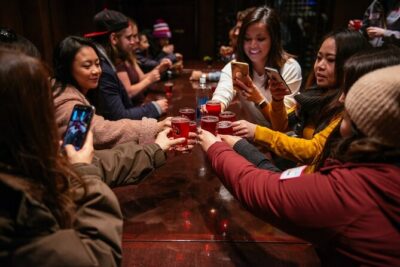
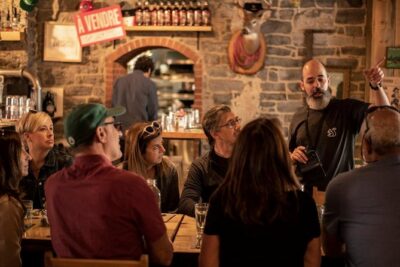
Old Quebec City Food Tour with 10+ Autentic Local Tastings
The full write-up →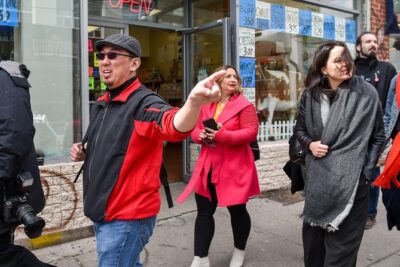
Toronto’s International Food Tour – Kensington Market
The full write-up →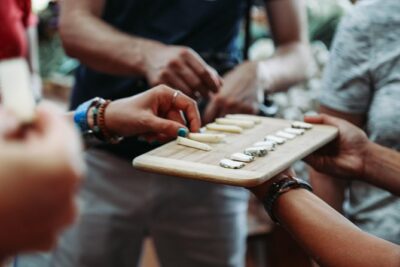
The Only Locally Owned Non-Touristy Food Tour by Spade & Palacio
The full write-up →
Toronto: St Lawrence Market Food Tour with 6 Food Tastings
The full write-up →
Granville Island Market Food Tour by Vancouver Foodie Tours
The full write-up →
Vancouver: Gastown Historical Walking Food Tour
The full write-up →Browse the lists this tour appears in