
Reviewed · CYCLING TOURS
Montreal: Downtown and Old Montreal Highlights Bike Tour
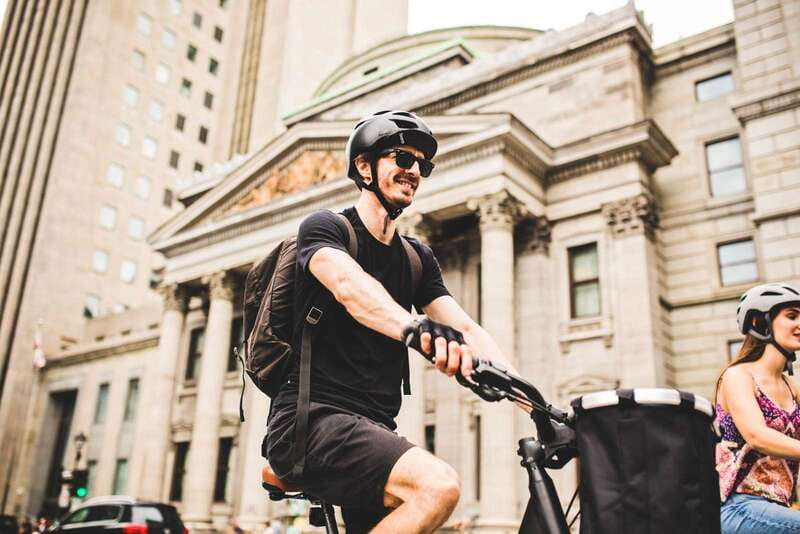
Montreal makes sense from a bicycle seat. This three-hour ride links Old Montreal and the Old Port with quieter streets, parks, laneways, and neighborhoods that are easy to miss on foot. You cover about 10 miles at a friendly pace, with regular stops for stories about First Nations heritage, French and British architecture, industry, food, and city life.
I like the mix of famous sights and less obvious corners, and I like the small groups, limited to 10 people. Guides such as Rod, JF, Rene, and Darren have been praised for making the history lively, helping riders feel safe, and offering useful ideas for meals and sightseeing afterward. The main consideration is that you need to be comfortable riding for about two hours, and sandals or flip flops are not allowed.
Key points at a glance
- A 15 km city sampler: Cover a broad stretch of Montreal in three hours, with about two hours on the bike.
- Old Montreal with local context: Visit Place d’Armes, Notre Dame Basilica, the Old Port, and other major landmarks while hearing how the city developed.
- Beyond the postcard sights: Ride past Habitat 67, the Lachine Canal, the Farine Five Roses sign, parks, quiet streets, and the Gay Village.
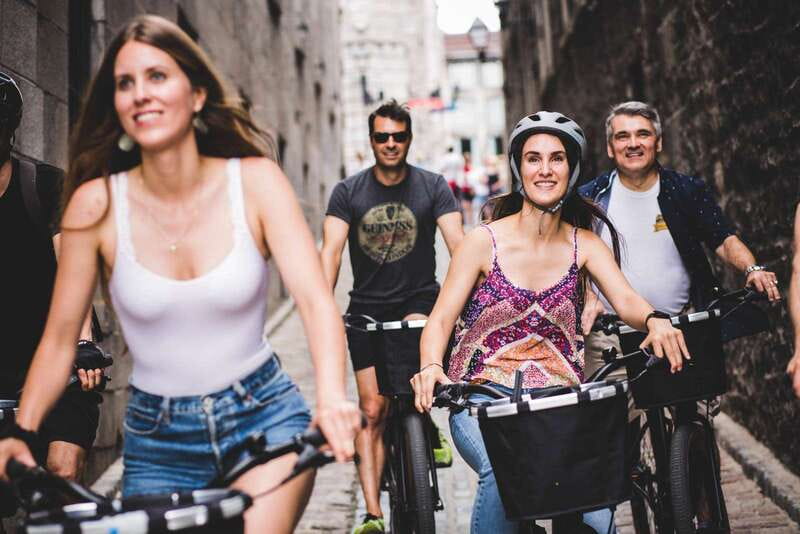
- Small English-speaking groups: The tour holds no more than 10 people, making it easier to stay together and ask questions.
- Easygoing route design: Most of the ride uses mostly flat bicycle paths, with four or five short information stops and one longer 30-minute break.
- Useful first-day orientation: Guides often share restaurant ideas and suggestions for the rest of your Montreal stay.
Why a bike is the right way to meet Montreal
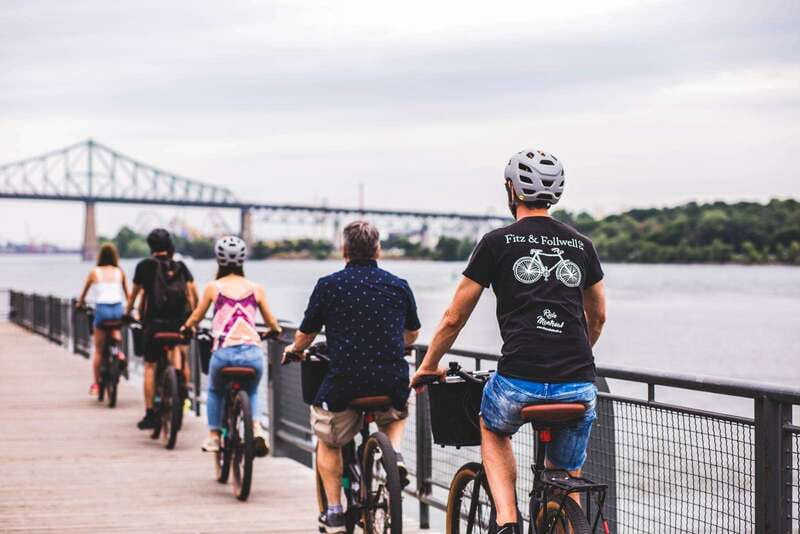
Montreal is spread wide enough that walking tours can leave you with only one district, while a driving tour can turn the city into a series of quick views through glass. This ride gives you a better middle ground. You travel far enough to connect Old Montreal with the canal, modern landmarks, and local neighborhoods, but slowly enough to notice the change in architecture and street life.
The pace is relaxed rather than athletic. Most of the route follows bicycle paths that are mostly flat, so you are not signing up for a hill-climbing challenge. Still, 15 km is a real ride. If you rarely cycle, you should think of this as an active morning or afternoon rather than a short sightseeing outing.
The regular pauses help. You ride for stretches, then stop about every 15 minutes or so for an explanation or story. The plan also includes four or five short information breaks and a longer 30-minute stop. That rhythm gives you time to listen, take pictures, catch your breath, and look around without trying to hear a lecture while steering.
More Bike Tours in Montreal
- Montreal eBike Sightseeing Tour
★ 5.0 · 573 reviews - Montreal: E-Bike Sightseeing Tour
★ 4.8 · 365 reviews - Non Touristy Pink Bike Tour by Spade & Palacio
★ 5.0 · 335 reviews
Starting at 87 Rue de la Commune Est
The meeting point is at 87 Rue de la Commune Est, in the heart of Old Montreal. You meet the guide there, get fitted with a city bike and helmet, and receive a basket for small items. Hotel pickup is not included, so plan to reach the Old Montreal departure point on your own.
Bring water. Wear comfortable clothing and shoes suitable for cycling, and take a light jacket if the weather may change. The footwear rule is simple: no sandals or flip flops. You must be over 13 to join.
The small-group format matters here. With a maximum of 10 riders, the guide can keep an eye on the group and answer questions without the stop turning into a crowded speech. Several guides have made a strong impression over the years, including Rod, JF, Rene, Martin, Catherine, and Darren. The guide on your date may be different, but the experience depends heavily on having someone who can connect the city’s past with its present.
Old Montreal, Place d’Armes, and Notre Dame Basilica
The ride begins with the part of Montreal most visitors want to see first: Old Montreal. At Place d’Armes, you get a useful introduction to the city’s beginnings and the way French and British influences appear side by side in the built environment.
The stop at Notre Dame Basilica gives the route a grand architectural landmark, while the surrounding streets show a more human scale. This is where the guide’s storytelling adds value. You are not simply checking off a church square and a historic street. You are learning how the city grew, how different cultural influences shaped it, and why Old Montreal remains central to the city’s identity.
I especially like having this explanation early in a Montreal visit. You gain a framework for later sightseeing. A building, street, or neighborhood you pass afterward has more meaning when you understand the city’s French foundations, British connections, and First Nations heritage.
The drawback is that a bicycle tour cannot offer the same interior time as a dedicated architecture or church visit. You should treat these landmarks as part of a wider city introduction, not as a substitute for a full visit inside Notre Dame Basilica.
The Old Port and the changing waterfront
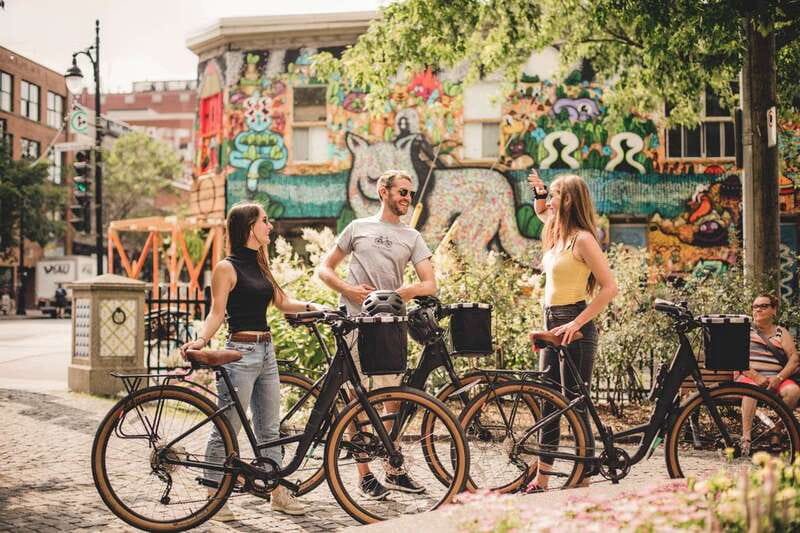
From Old Montreal, the route reaches the Old Port. This area helps explain Montreal as a working and commercial city, not only a pretty historic quarter. Your guide discusses the port’s economic impact and how the waterfront has changed over time.
The Old Port also gives the tour some open breathing room after the tighter streets of the old city. You can pause, take in the riverfront setting, and understand how Montreal’s position helped it grow. The tour’s focus is not just on attractive views. It asks you to notice why the city is where it is and how trade shaped its future.
The waterfront can be a busy part of Montreal, and a bicycle group still needs to stay together. That is one reason the frequent stops and guide-led pace are useful. You get time to look around without having to plot every turn yourself.
Same trip, a completely different kind of day out:
- Montreal: Guided Bus Tour
★ 4.4 · 3,064 reviews - Montreal: Hop-On Hop-Off Double-Decker Bus Tour
★ 4.1 · 2,760 reviews - Montreal Mile End Authentic Food Tour with 7 Delicacies Tastings
★ 5.0 · 2,598 reviews - The Original Old Montréal Walking Tour by Guidatour
★ 4.5 · 2,217 reviews
Habitat 67 and Montreal’s modern side
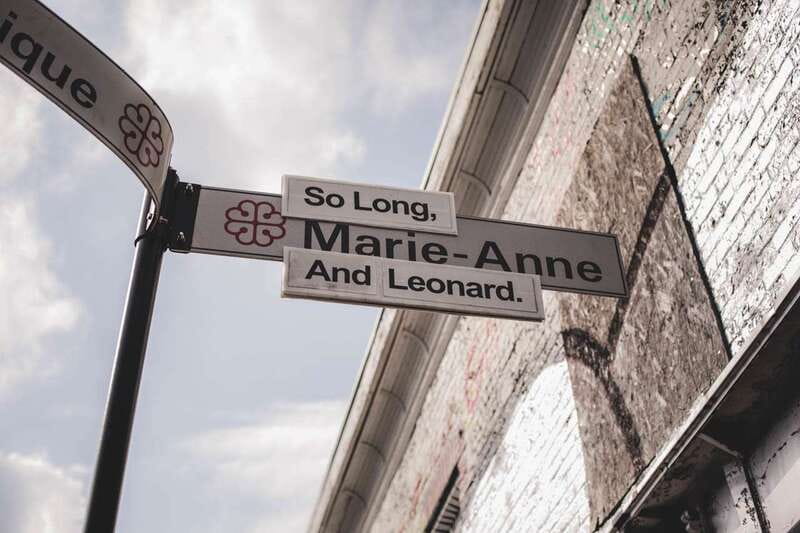
Habitat 67 adds an important change of mood. After the historic stone streets of Old Montreal, this landmark points toward Montreal’s modern architectural ambition and creative reputation.
The stop is valuable because it keeps the tour from presenting the city as a museum piece. Montreal is proud of its past, but it also experiments with design, public space, and new ways of living. Seeing Habitat 67 alongside Old Montreal helps you understand that the city’s character comes from both old buildings and bold modern ideas.
This part also shows the advantage of covering ground by bike. You can connect districts that feel separate on a standard walking route. The ride gives you a sense of how the city fits together, even if you do not spend a long time at every location.
The Lachine Canal and the Farine Five Roses sign
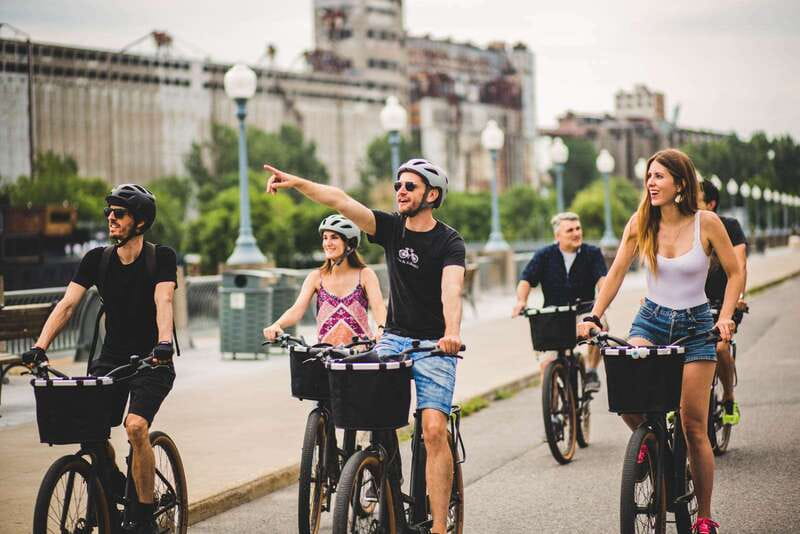
The Lachine Canal brings industry and transportation into the story. Your guide explains more about the economic forces that shaped Montreal, while the route gives you a calmer stretch away from the busiest core.
The Farine Five Roses sign adds a memorable bit of local flavor. It is the kind of detail that can slip past you if you are focused only on churches and major squares. The sign points to Montreal’s industrial and food-making identity, subjects that fit naturally with the city’s reputation for good eating.
You should not expect a food tour on this ride. No tastings are included, and the price covers the bicycle experience, guide, helmet, and basket. The benefit is different: you get context and perhaps a useful restaurant suggestion for later. One guide recommended a local lunch spot close to the meeting point, which is practical advice when your ride ends and you are ready to eat.
Parks, quiet streets, laneways, and the Gay Village
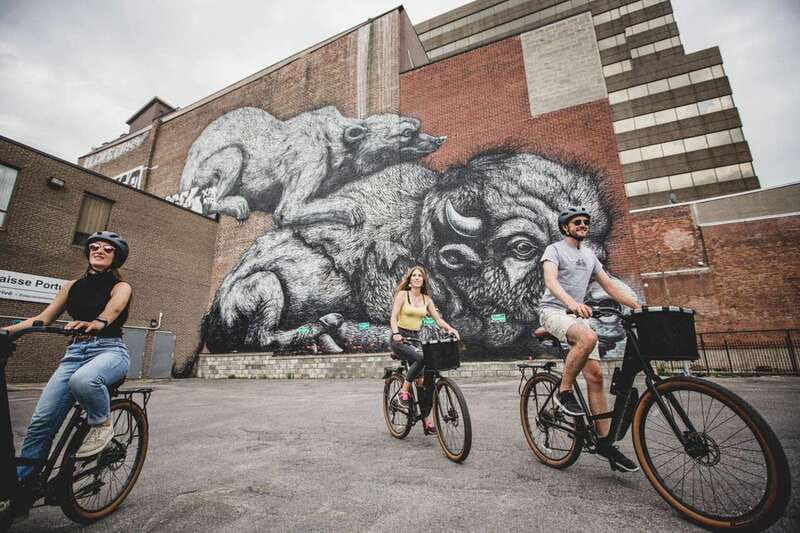
The most enjoyable part for many riders may be the route between the headline stops. You leave the standard sightseeing path and use parks, quiet streets, and laneways. This is where the tour feels less like a checklist and more like a look at everyday Montreal.
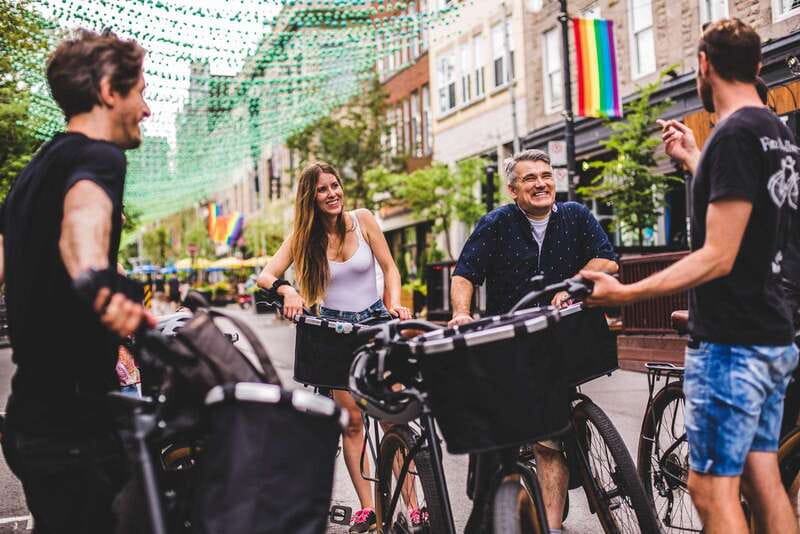
The Gay Village gives the ride another layer of city culture. It is included not as an isolated attraction but as part of a broader picture of Montreal’s neighborhoods and public life. Your guide can connect the area to the city’s wider culture, creativity, and social identity.
These sections are also where a bicycle earns its keep. A bus would pass quickly, and a walking tour would take too long to cover the same distance. By bike, you can move through several parts of the city while still stopping to hear the background.
You should keep your expectations sensible. The tour gives you an introduction to these areas, not hours to explore each one. If a neighborhood catches your interest, write it down and return later on foot.
What the pace and group size feel like

The advertised three hours include roughly two hours of riding, four or five short stops, and a longer 30-minute break. That is a good balance for most reasonably active visitors. You are moving often, but you are not pedaling nonstop.
The bikes are described as stylish city bikes, with helmets and baskets supplied. Guides have also been praised for keeping riders safe and for providing bikes and helmets in good condition. You still need to ride responsibly and follow the guide’s directions, especially when the group crosses between paths and city streets.
A group of five to eight people can feel particularly comfortable. Ten is still a modest number, but it may take a little longer to get moving at stops. The small-group setup is a major part of the value because it lets the guide adjust explanations and keep the ride social without making it feel like a large procession.
The route is suitable for riders over 13. It is not described as a specialist cycling tour, and most of the paths are flat, but you should be ready for a full half-day activity. Comfortable shoes matter more than stylish vacation footwear.
The guides make the history work

The strongest part of this experience is the human element. Montreal has plenty of history, but facts alone do not make a city memorable. A good guide turns the ride into a conversation about how the city was founded, who lived here before European settlement, how French and British influences met, and how the port and industry affected the economy.
Past guides have included Rod, JF, Rene, Darren, Martin, Catherine, Jeff, Mahar, and others. The specific guide depends on the date, but the pattern is clear: you should expect an English-speaking local who tells stories during the ride and offers practical suggestions for the rest of your visit.
Darren, for example, was praised for explaining Montreal’s culture, history, and economy while helping the group get to know one another. JF was noted for creating a safe feeling and showing real affection for the city. Rod helped riders find places they might not have reached alone and shared ideas for food and later sightseeing.
That kind of guidance is especially useful on your first day. You can ask about areas to revisit, places to eat, and how different parts of Montreal relate to each other. The tour is not only three hours of sightseeing. It can shape the next few days of your trip.
Is $87 a fair price?
At $87 per person, this is not the cheapest way to see Montreal. You are paying for a bicycle, helmet, basket, local guide, route planning, and three hours of structured sightseeing. The price makes more sense if you would otherwise rent a bike, plan your own route, and spend time researching the city’s history.
The value is strongest for a first visit. You cover a wide area, get practical orientation, and receive stories that are hard to gather from a map alone. The small group also gives you a more personal experience than a large city tour.
The value is weaker if you already know Montreal well, dislike cycling, or want long visits inside individual attractions. No hotel pickup or food is included, and the tour does not replace a dedicated Old Montreal walking tour, museum visit, or restaurant crawl.
Free cancellation up to 24 hours before departure and the option to reserve now and pay later make the booking less rigid. Starting times vary, so check availability when choosing your date.
Who should book this Montreal bike tour?
I would choose this tour for a first or second day in Montreal, especially if you want a clear sense of the city before deciding where to spend more time. It suits couples, friends, and families with children over 13 who enjoy active sightseeing without a race-like pace.
It is also a good match if you care about context. You will hear about First Nations heritage, the city’s founding, French and British architecture, the Old Port economy, modern design, neighborhoods, and local life in one outing.
I would think twice if you are uncomfortable on a bicycle, need a very slow pace, or prefer spending most of your time inside historic buildings. In that case, a walking tour may feel easier. For everyone else, the broad route and small group make this a useful way to get your bearings fast while seeing more than Old Montreal alone.
Should you book it?
Book it if you want a wide-ranging first look at Montreal, enjoy two hours of easy cycling, and value a guide who can explain more than the names of landmarks. The combination of Old Montreal, the Old Port, Habitat 67, the canal, the Farine Five Roses sign, the Gay Village, and quieter streets gives you a varied picture of the city.
Skip it if you want a purely historic tour, a food-focused outing, or a short ride with almost no physical effort. For an active visitor who wants local stories and practical ideas for the rest of the trip, $87 is a reasonable price for three well-used hours.
FAQ
Where does the Montreal bike tour meet?
The meeting point is 87 Rue de la Commune Est in the heart of Old Montreal.
How long is the bike tour?
The tour lasts three hours. About two hours are spent riding, with four or five short stops for information and stories, plus a longer 30-minute break.
How far do you ride?
The riding distance is approximately 10 miles, or 15 kilometers.
Is the route difficult?
Most of the ride uses bicycle paths that are mostly flat and suitable for all riders. You should still be comfortable cycling for about two hours.
What is included in the price?
The tour includes the bike ride, a local English-speaking guide, a bicycle, a helmet, and a basket.
What should I bring and wear?
Bring water and wear comfortable clothing and shoes for cycling. Sandals and flip flops are not allowed.
Can teenagers join the tour?
Yes. The tour is suitable for participants over the age of 13.
Just added around Montreal
- Full Day Family Bike Rental★ 5.0 · 17 reviews
- Winter Express: Old Montreal Highlights Walking Tour★ 5.0 · 119 reviews
- In the Shadow of the Mountain: Montreal Jewish History Walking Tour★ 4.5 · 33 reviews
- Under the Surface of Montreal’s Chinatown: Guided Food Walking Tour★ 5.0 · 23 reviews
- The Ultimate Montreal Boat Tour – Fall Colors Apéro Edition★ 4.5 · 31 reviews
- Montreal Premium Driving Tour with River Cruise and Notre Dame★ 4.5 · 164 reviews
- Old Montreal: Self-Guided Tour from Place D‘Armes to Old Port★ 5.0 · 5 reviews
- Immersive Virtual Reality Game Activity★ 5.0 · 19 reviews
Cycling Tours, compared.
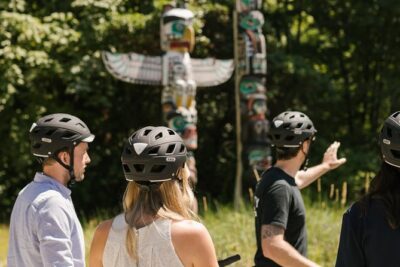
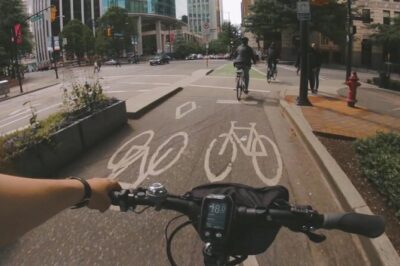
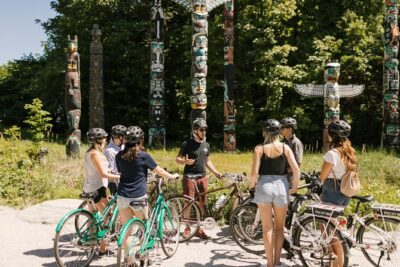
The Stanley Park Bicycle Tour by Cycle City Tours
The full write-up →
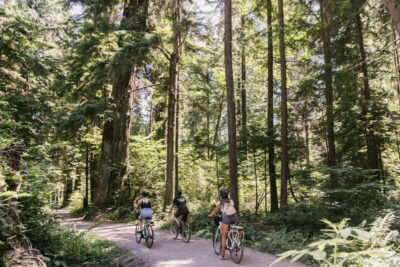
Toronto: Heart of Downtown 3.5-Hour Bike Tour
The full write-up →
Browse the lists this tour appears in