Reviewed · BANFF TOURS
Ice Climbing Adventure in Banff: Beginner
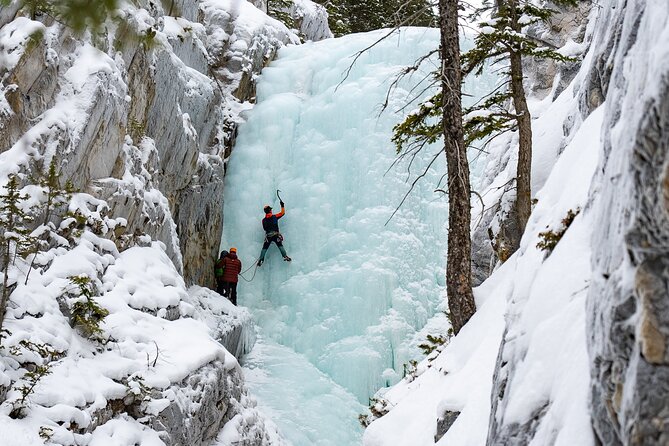
The best part of this Banff ice climbing day is how quickly you move from watching to doing. After a guide fits your helmet, harness, boots, crampons, and ice tools, you learn the basics and start climbing a frozen waterfall in the Canadian Rockies. Complete beginners can take part, yet the program can stretch stronger climbers with harder movement and rope skills.
I like two things right away: the hands-on teaching and the chance to help choose a climbing site. A short hike near Johnston Canyon can lead to an ice wall, where you learn knots, belaying, and crampon technique before making your first ascent. The main catch is transportation. You need private transport to the site, and the exact icefall can change.
Key points to know before you book
- You start climbing on a real frozen waterfall, not a practice wall, after a safety briefing and gear fitting.
- The instruction suits first-timers, with options to build toward advanced movement, ice screws, and mock leading.
- Johnston Canyon may involve about a 20-minute hike to the ice wall, so sturdy winter clothing matters.
- All technical climbing gear is provided, including boots, crampons, helmet, harness, and ice tools.
- Private transportation and lunch are not included, so plan both before the 7:45 a.m. start.
- Extreme cold can shorten the day, as happened on one outing at minus 24 Celsius.
What your seven-hour Banff ice climbing day feels like
This is not a sightseeing stop with a few minutes of activity tacked on. You spend most of the day learning a demanding mountain skill, then putting it to work on steep ice. The schedule runs for about seven hours, beginning at 7:45 a.m. at 229 Bear Street in Banff and ending back at that meeting point.
I would think of the day in three parts: preparation, approach, and climbing. The first part is practical and safety-focused. The second gets you to the ice. The third is where the trip earns its price, provided the weather and ice conditions cooperate.
The exact icefall can change. The planned area may include Banff National Park, Johnston Canyon, or Grassi Lakes, depending on conditions and the group’s goals. That flexibility is useful because waterfall ice is a natural feature, not a fixed attraction with guaranteed conditions.
A few more Banff days worth comparing
- Banff: Banff Gondola Admission Ticket
★ 4.7 · 3,698 reviews - Lake Louise, Moraine Lake, Banff Tour from Calgary/Canmore/Banff
★ 5.0 · 2,792 reviews - Banff Gondola Ride Admission
★ 4.5 · 2,688 reviews
Learning the tools before touching the ice
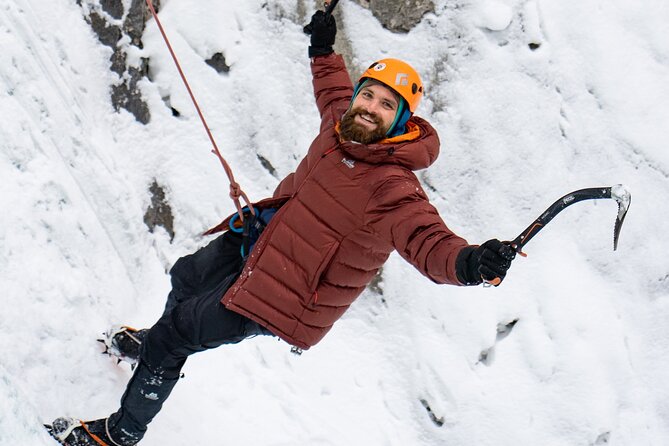
Your guide begins with gear fitting and an explanation of how the day will work. The supplied equipment includes climbing boots, crampons, ice tools, a helmet, and a harness. That removes the need to rent the main technical kit yourself, which is a real benefit for a first attempt.
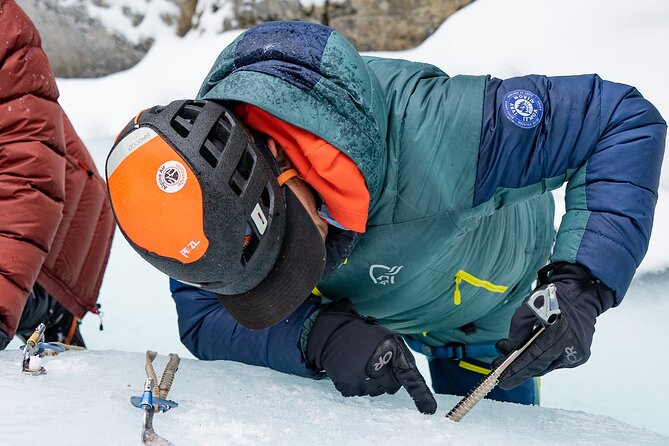
You learn how to walk in crampons before you reach the steep wall. This matters more than it sounds. Crampons change your balance and footwork, and a careful first lesson helps you avoid the stiff, awkward steps that can make a beginner feel unsure.
The guide also covers site safety and awareness. You learn how to move around an icefall, where to stand, and how to pay attention to falling ice and other activity nearby. The instruction is not just a quick warning before the fun begins. It forms the basis for the rest of the day.
Basic rope work is part of the program too. You learn knots and how to belay top-rope climbers. That gives you a better understanding of what is happening above and below you, even if your main goal is simply to climb once and enjoy the setting.
Guides are professional mountain guides with ACMG or IFMGA credentials. Shea has led beginners through the full process, from tying knots to completing the wall. Nolan has also guided an outing in severe cold and worked hard to keep the day moving. The individual guide matters here, since clear coaching and calm safety habits can make a difficult sport feel manageable.
Johnston Canyon and the walk to the ice wall
Johnston Canyon is the most clearly described climbing area in the program. One outing involved about a 20-minute hike to an ice wall near the canyon. That approach adds a small physical test before the actual climbing begins, but it also brings you away from the meeting point and into a proper winter setting.
You should not treat the approach as a casual stroll in town. You will be carrying personal items and moving in winter conditions, while the guide handles the climbing equipment and route decisions. Wear warm layers and footwear suited to the conditions. The supplied climbing boots cover the technical side, but you still need clothing that can handle a long, cold day outside.
Once you reach the wall, the guide sets up the ropes and explains the climbing sequence. You may spend time belaying, watching another person climb, and waiting for your turn. That can feel slower than a short introductory activity, but it gives you room to learn the system rather than simply being hauled through it.
The canyon area also makes the day feel like a genuine mountain outing instead of an indoor lesson. You get the scale of the Canadian Rockies around you, with the frozen waterfall providing the main focus. The tradeoff is that the natural setting brings natural limits. Ice quality, temperature, and access can affect the plan.
Banff National Park and Grassi Lakes as possible settings
Banff National Park is the wider setting for the activity. Its value is not a separate sightseeing tour or a long list of stops. The park gives the day its mountain character, with frozen waterfalls and steep ice replacing a standard trail walk or scenic drive.
Grassi Lakes is also listed among the possible stops. The information provided does not promise a particular climbing route or exact schedule there, so I would not book this expecting to visit every location in a sightseeing sequence. Think of these places as possible climbing areas selected for the conditions and the group.
That flexible approach is sensible for ice climbing. A guide needs to choose usable ice and a suitable pitch, not simply follow a fixed sightseeing route. The downside is that your exact destination may remain uncertain until the day is underway.
Same trip, a completely different kind of day out:
- Emerald Lake, Moraine, Louise, Johnston Canyon & Banff Town
★ 4.9 · 1,554 reviews - Lakes Moraine, Louise, Emerald, Johnston Canyon & Yoho Tour
★ 4.8 · 1,023 reviews - Lake Louise, Moraine Lake and the Icefields Parkway Full-Day Tour
★ 5.0 · 836 reviews - Banff: Lake Louise, Moraine, Emerald Lake & Johnston Canyon
★ 4.9 · 808 reviews
Swinging ice tools and making your first ascent
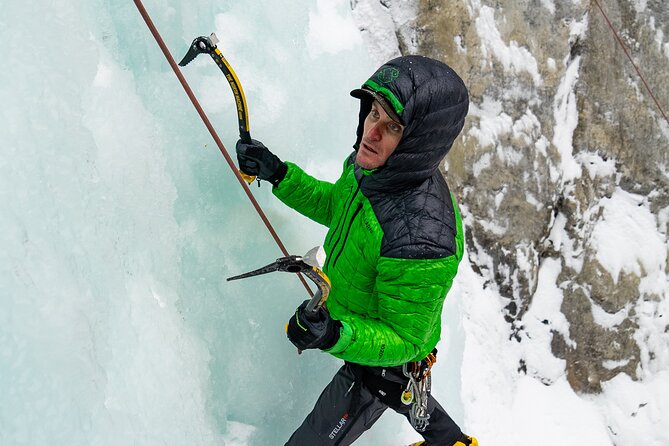
The central lesson is movement on steep ice. You learn to swing the ice tools into the surface and place your crampon points securely. At first, the motion can feel unnatural. You are balancing with your feet while using your arms for stability and placement, not pulling yourself up like you might on a rock wall.
The guide builds this up in manageable steps. You learn where to put your feet, how to keep your body positioned, and how to use the tools without wasting energy. For a beginner, this coaching is the difference between flailing at the wall and making steady progress.
The first completed climb is the emotional high point. Reaching the top of the wall gives you a clear result from the morning’s lessons. It is also why I see this as a strong choice for someone who wants a story to bring home, not just photographs from a viewpoint.
You should keep your expectations realistic. This is an introduction to waterfall ice climbing, not a promise that you will master the sport in one day. You may climb only a limited number of routes, and cold hands or tiring legs can affect how much you enjoy the later hours.
What advanced climbers can add to the day
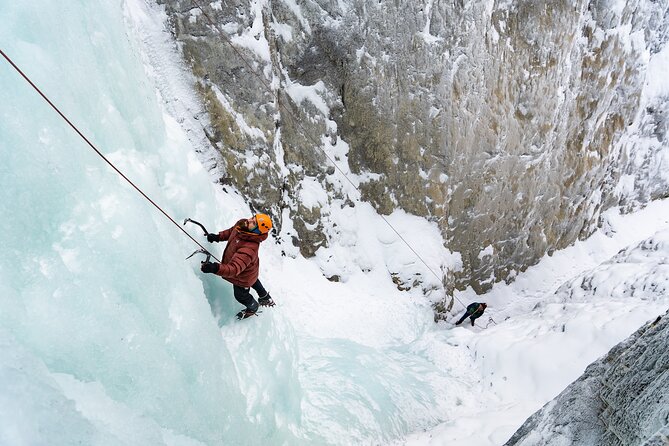
The program is not limited to first-timers. More experienced climbers can work on advanced movement on steep ice and, when appropriate, learn about placing ice screws and building V-threads. Mock leading and rappelling may also be included during a full-day or two-day program.
That makes the activity more useful for mixed groups. A beginner can learn the basics while a more experienced participant works on technique beyond the first top-rope climb. Still, I would ask about the intended group level when booking if advanced instruction is your main reason for coming.
The seven-hour format gives the guide more time than a short half-day introduction. You can repeat movements, take turns, and build confidence instead of rushing through a single climb. A two-day option, when available, would allow more skill development, but this review concerns the approximately seven-hour experience.
The cold is not a minor detail
Weather may be the most important variable. On one outing, the temperature reached minus 24 Celsius, and the group finished early because it was too cold to enjoy the climb properly. The guide, Nolan, worked hard in those conditions, but even good guiding cannot make extreme cold comfortable.
I would check the forecast closely and pack for standing around as well as climbing. You may be active on the wall, then spend time belaying or waiting while another person climbs. Warm gloves, spare layers, and protection for exposed skin are especially important, though the supplied information does not specify a required packing list.
If the conditions look severe, contact the provider before setting out and ask how the day will be handled. The experience can be excellent in cold weather, but there is a point where frozen fingers and shortened climbing time weaken the value of a full-day booking.
Price, transport, and what the $194.36 covers
At $194.36 per person, the cost is reasonable if you want professional instruction and do not own ice climbing equipment. The package includes the main technical gear and a professional ACMG or IFMGA guide. Buying or renting climbing boots, crampons, ice tools, helmet, and harness separately could quickly change the math.
The price does not include private transportation to the climbing site. This is the biggest practical cost beyond the advertised amount. You need to arrange a vehicle or another private ride from Banff to the selected icefall, and you should solve that question before the morning meeting.
Lunch is also not included. A seven-hour outdoor activity calls for food and drinks, but the provided details do not state whether there is a lunch stop or what storage is available. Bring your own meal and water unless the provider gives you different instructions.
The start point is 229 Bear Street in Banff, and the activity ends there. The office can be hard to find because it is on the lower floor of an indoor mall, so allow extra time to get your bearings. The meeting area is near public transportation, but that does not replace the private transport needed for the climbing site.
The maximum group size is 12 people. That is not a private lesson, and climbing involves turns, belaying, and setup time. Still, the guide-led format and the limited group size should give you more personal attention than a large commercial outing.
Who should book this Banff ice climbing adventure
I would recommend it to an active beginner who wants a real introduction rather than a quick photo opportunity. You do not need previous ice climbing experience, and the guide teaches the basic movements, rope skills, and safety procedures from the start.
It also suits a person with some climbing background who wants to try ice. The program can move into more advanced techniques, though you should confirm what level of instruction is planned for your date.
This is less suitable if you dislike cold, want a guaranteed sightseeing route, or need every detail handled from door to door. The private transport requirement adds work, the weather can shorten the day, and the natural icefall location can change.
The cancellation policy allows a full refund when you cancel at least 24 hours in advance. That gives you some useful flexibility if the forecast looks poor, but it does not remove the need to plan carefully.
Should you book it?
Book this Banff ice climbing adventure if you want a demanding, memorable day with professional guidance and full technical gear provided. The best value comes from the instruction, the access to a real frozen waterfall, and the chance to finish your first climb under a guide’s supervision.
Before paying, confirm the meeting point, private transport plan, expected icefall, and weather outlook. If you can manage those details and pack for serious cold, this is a strong first step into waterfall ice climbing. If you want a relaxed activity with simple transport and guaranteed comfort, choose something gentler.
FAQ
Where does the ice climbing activity start?
It starts at 229 Bear Street in Banff, Alberta. The activity ends back at the same meeting point.
What time does the activity begin?
The stated start time is 7:45 a.m.
How long does the ice climbing day last?
The experience lasts approximately seven hours.
Is this activity suitable for complete beginners?
Yes. The program is designed for complete beginners and can also be adjusted for people with more climbing experience.
What climbing equipment is included?
The provided gear includes a helmet, harness, ice tools, crampons, and climbing boots.
Do I need to bring lunch?
Yes. Lunch is not included in the price.
Is transportation to the climbing site included?
No. Private transportation is needed to reach the selected climbing site.
What skills will I learn?
You may learn site safety, walking in crampons, top-rope belaying, knot tying, swinging ice tools, and movement on steep ice. Full-day programs may also include ice screws, V-threads, mock leading, and rappelling.
How many people can join the activity?
The maximum group size is 12 travelers.
Can I cancel for a full refund?
Yes. You can cancel up to 24 hours before the experience for a full refund.
Just added around Banff
- Jasper to Banff One-Way Tour★ 5.0 · 76 reviews
- Jasper to Lake Louise One-Way Tour★ 5.0 · 19 reviews
- 2 Day Banff Lake Louise Johnston Canyon Gondola Cave Basin tour★ 4.5 · 8 reviews
- Sunset at Moraine Lake & Stargazing Tour from Canmore/Banff★ 5.0 · 95 reviews
- Sunrise Adventure: Alpenglow at Moraine Lake & Lake Louise★ 5.0 · 20 reviews
- Private Guided Tour to Banff Lake Louise|Moraine|Icefields &More!★ 5.0 · 5 reviews
- Experience Golden Hour at Moraine and Lake Louise★ 5.0 · 18 reviews
- Moraine Lake & Louise – Morning or Sunset Tour from Banff/Canmore★ 5.0 · 194 reviews
Banff Tours, compared.
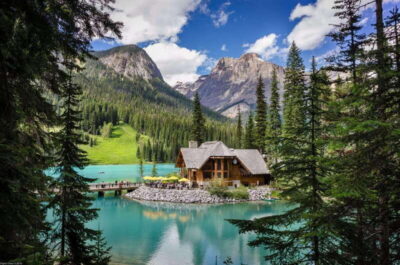
Lake Louise, Moraine Lake, Banff Tour from Calgary/Canmore/Banff
The full write-up →Emerald Lake, Moraine, Louise, Johnston Canyon & Banff Town
The full write-up →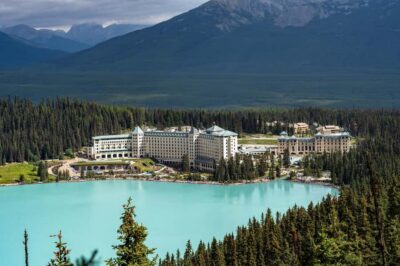
Lakes Moraine, Louise, Emerald, Johnston Canyon & Yoho Tour
The full write-up →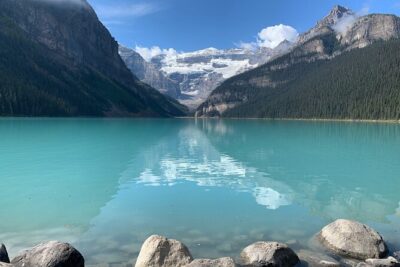
Lake Louise, Moraine Lake and the Icefields Parkway Full-Day Tour
The full write-up →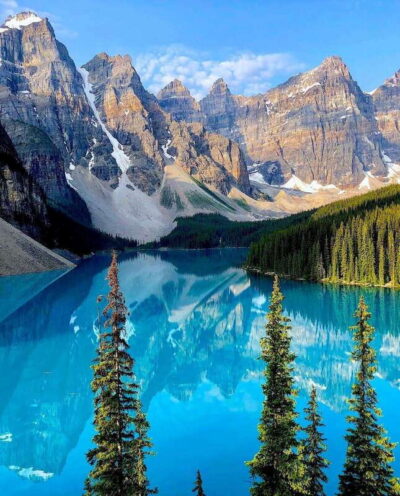
Lake Louise, Moraine, Emerald Lake & Johnston Canyon
The full write-up →