
Reviewed · CANADA
Intro Survival Course Rockies
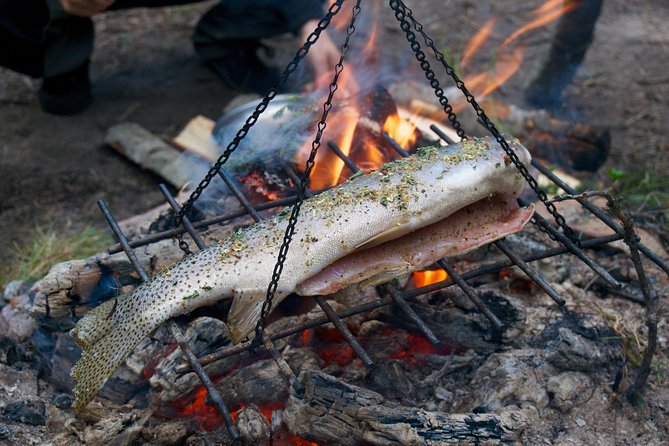
The useful heart of this two-day survival course is that you practice skills instead of simply hearing about them. From Nordegg, you travel roughly 40 kilometers into the Rockies near Abraham Lake, set up a base camp, build fires and shelters, learn knots, and spend a night camping in the area. The course aims at real backcountry problems, not theatrical wilderness stunts.
I like the private format, since your group can shape the course around its interests. I also like the practical mix of fire-making, shelter building, navigation, plants, cordage, and emergency priorities. The main thing to weigh is the price and the transport: at $205.56 per person, you must drive yourself to the meeting point and between the initial meeting area and the training site is handled by the course, not transportation from your home or hotel.
Key points to know
- Practice instead of watching: You make survival fires, work with shelters, tie useful knots, and use navigation tools.
- A Rocky Mountain setting: Training takes place around Kootenay Plains and Abraham Lake, roughly 40 kilometers from Nordegg.
- Private and adaptable: Only your own group participates, with a minimum booking of four people.
- Camping is part of the lesson: One night of camping is included, with the chance to sleep in a shelter you make yourself.
- Food and equipment are supplied: Tents, hatchets, knives, compasses, GPS units, meals, and other course gear are included.
- Best for beginners: The pace and subject matter suit people starting out in survival, camping, or backcountry travel.
Leaving Nordegg for the Kootenay Plains
Your course begins at HI Nordegg Shunda Creek Wilderness Hostel at 9:30 a.m. The opening session is a meet-and-greet with your instructor or instructors, followed by a drive of about 40 kilometers to the training area in the Rocky Mountains.
That transfer matters. You are not meeting beside a city attraction or in a classroom with a few sticks arranged for effect. The course moves into the outdoor setting where fire, shelter, food, weather, and navigation have practical meaning. The exact training location is listed around Kootenay Plains near Abraham Lake, so plan for a remote-feeling day rather than a quick roadside activity.
The private setup is a real advantage here. With only your group taking part, the instructor can adjust the emphasis to your needs. A family with a child may want a gentler introduction, while a group preparing for backcountry camping may want more time with navigation, cordage, or emergency planning.
A minimum of four people is required per booking. That makes this most useful for a family, a group of friends, or several people traveling together. It is not designed as a drop-in activity for one person arriving alone.
Other Alberta days travellers book alongside this one:
- Wild Water Adventures
★ 5.0 · 581 reviews - Moraine Lake, Lake Louise Johnston Canyon Banff National Park
★ 4.5 · 243 reviews - Icefields Parkway: a Smartphone Audio Driving Tour
★ 4.0 · 118 reviews
Day one: priorities, fires, shelters, and camp
The main training begins around 10:30 a.m. and continues until about 5 p.m. The first subject is not fire-starting or trap-building. You begin with precautions, dangers to avoid, proper equipment, and priorities during an emergency.
That order is sensible. Survival courses can become too focused on dramatic tricks, but the most valuable skill is often making good choices before a problem grows. Knowing what to carry, what to do first, and how to avoid common dangers gives you a better base for any later bushcraft lesson.
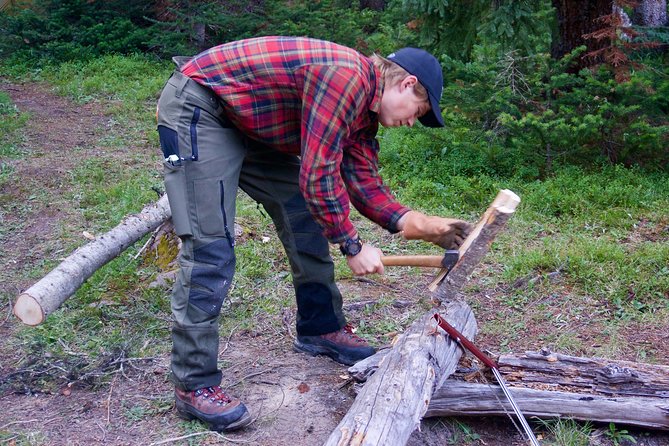
After the safety discussion, the course turns hands-on. You work on making survival fires under adverse conditions and constructing shelters. The wording matters: the aim is not only to make a comfortable campsite on a fine afternoon. You are introduced to methods meant to help when conditions are less friendly.
You also cover useful knots. This can sound basic, but knots support many outdoor tasks, from securing equipment to building shelters and making improvised systems. The course places these skills alongside general bushcraft, so you are not learning isolated tricks without a reason to use them.
All necessary course equipment is included. The supplied gear includes tents, hatchets, knives, compasses, and GPS units, along with other equipment needed for the course. That lowers the barrier for beginners who do not already own a complete set of outdoor tools.
You should still clarify what personal clothing and camping items you need to bring, since transportation to and from the program is not included and the supplied equipment list does not mean every personal item is provided. The material confirms course gear and one night of camping, but not a full packing list for clothing or individual comfort items.
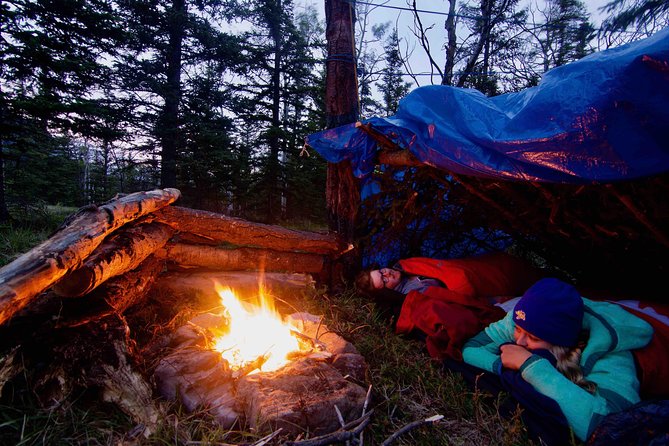
The evening brings the most memorable option: you may sleep in your own survival shelter. That is not required for every participant, but it gives the day’s work a clear purpose. You can test what you built instead of packing away the lesson as soon as the instructor finishes explaining it.
Day two: more practice before the trail
The second morning begins around 9 a.m. at Abraham Lake and continues until about 11 a.m. You return to topics introduced on the first day, which gives you time to reinforce skills rather than race through a long list.
I like this part of the schedule. A short overnight break can reveal what you remember and what you do not. Repeating the material the next morning also makes the course feel like a learning session rather than a single long demonstration.
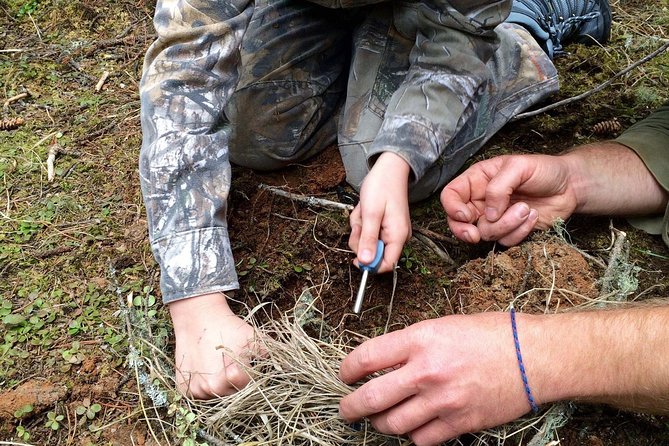
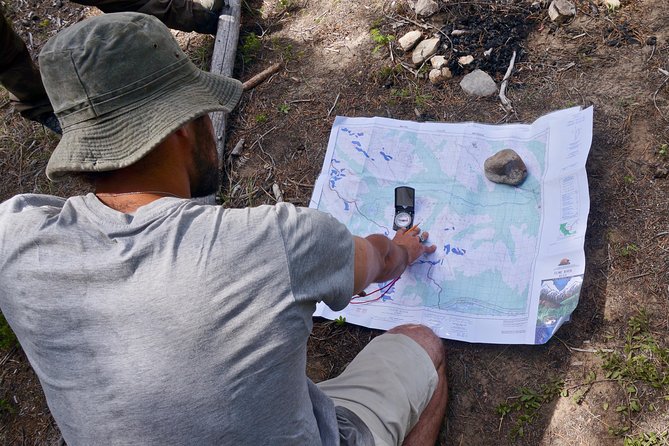
The morning block is followed by an afternoon hike near Cline River. The emphasis shifts to outdoor navigation and useful or medicinal plant identification. Compasses and GPS units are among the included equipment, so navigation is taught with tools you may actually use in backcountry travel.
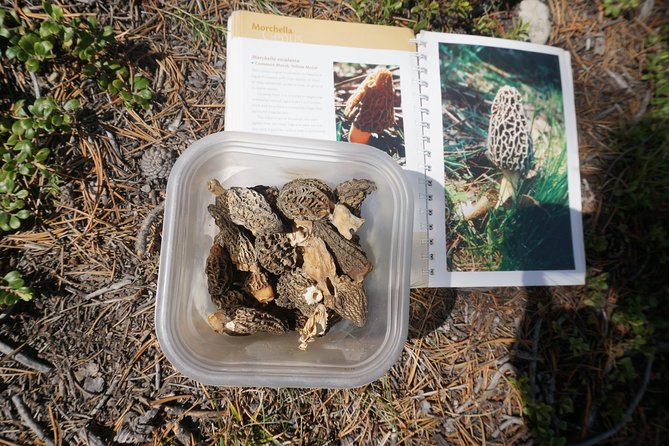
The plant portion adds a local connection. You are not only thinking about shelters and fire. You are also learning to pay attention to what grows around you and how plant knowledge can fit into outdoor safety. The supplied information does not promise a fixed list of species, so expect an introduction rather than a full botany course.
If time allows, the afternoon can move into more advanced topics. These may include alternative food sources, basic traps and snares, improvised rope or cordage, and survival saws. The phrase if time permits is important. You should not book this expecting every advanced topic to receive the same amount of practice.
The course wraps up in the late afternoon or early evening and returns to the original meeting point. That flexible ending means you should avoid scheduling a tight onward connection. Your own vehicle is needed for transportation to and from the program, and the course is not a hotel pickup service.
What the $205.56 price buys you
At $205.56 per person, the value depends on how much you would otherwise spend assembling the same weekend yourself. The price includes an experienced instructor, one night of camping, course equipment, and meals listed as breakfast, lunch, and dinner during the program.
The meal information is presented in slightly overlapping terms, with dinner and breakfast listed separately and breakfast, lunch, and dinner described as included throughout the course. Two lunches are also listed. The practical takeaway is that food is part of the package, but I would confirm the exact meal schedule when booking, especially if you have dietary needs.
A vegetarian option is available if requested in advance. You should also report other dietary requirements before the course rather than waiting until arrival.
Food quality may vary with preparation and conditions. One account praised the camp meals, including honey garlic sausages, while another described the food less favorably and referred to wet sandwiches and pasta. That difference is a useful warning: food is included for convenience and fuel, but you should not book this primarily as a culinary weekend.
The biggest extra cost is your own transportation. You need to reach HI Nordegg Shunda Creek Wilderness Hostel at 321 Shunda Creek Road in Nordegg, Alberta. Transportation to and from the program is not included, so add fuel and any lodging you need before or after the course.
The course is often booked well ahead, with an average booking lead time of 103 days. That is a reason to plan early, especially if your group has limited dates. The published operating period runs through January 3, 2027, with hours shown as 9 a.m. to 6 p.m. daily.
Same trip, a completely different kind of day out:
- Lake Louise Summer Gondola Experience
★ 4.0 · 65 reviews - Calgary Airport Shuttle to Banff & Lake Louise
★ 4.5 · 54 reviews - Adrenaline Canyoning Tour
★ 5.0 · 39 reviews - Self-Guided Audio Driving Tour in Icefields Parkway
★ 5.0 · 24 reviews
The instructors and the learning style
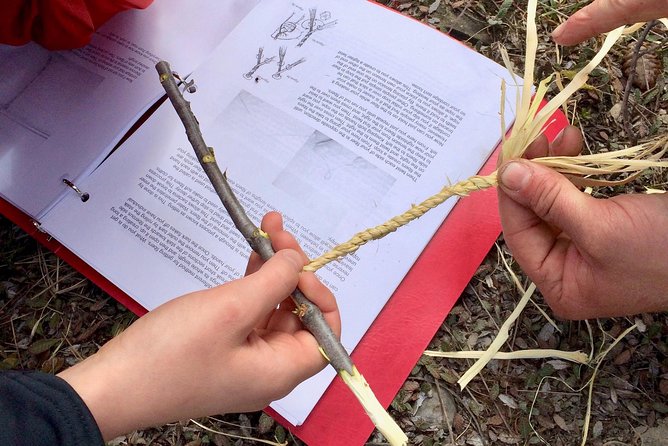
The instructors are a major part of the experience. Marc is identified as the owner and primary instructor, with more than 20 years of guiding and outdoor instruction experience. Mark and Joel are also named as instructors associated with highly positive course experiences.
The teaching style described by the available feedback is friendly, approachable, and practical. That matters for beginners. You need to feel comfortable asking what may seem like a simple question, especially when handling tools or trying a skill for the first time.
The course is not presented as a technical certification or an advanced expedition program. It is an introduction to survival and bushcraft for people who want more confidence outdoors. You may learn a lot, but your progress will depend on group size, weather, instructor focus, and how much time remains for optional subjects.
One negative account raised concerns about instructor expertise, food, and an unexpected problem with finding a camping site. The provider disputed parts of that account, noting that transportation and reservation of sites on public land were not included. The useful lesson for you is to read the inclusions carefully and ask questions before arrival. Do not assume the course arranges every part of your trip.
Weather, comfort, and the overnight stay
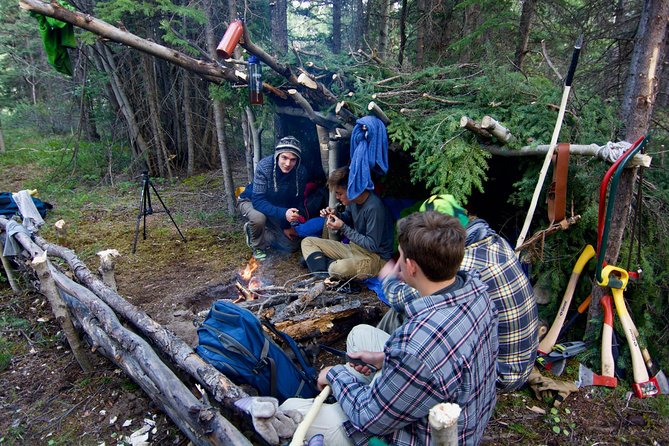
This is an outdoor course, and weather can change what is possible. The activity requires good weather. If poor weather causes cancellation, you are offered another date or a full refund.
That policy protects the safety and teaching quality of the course, but it also means you should keep some flexibility in your schedule. A bad-weather cancellation may affect other plans around your Alberta visit.
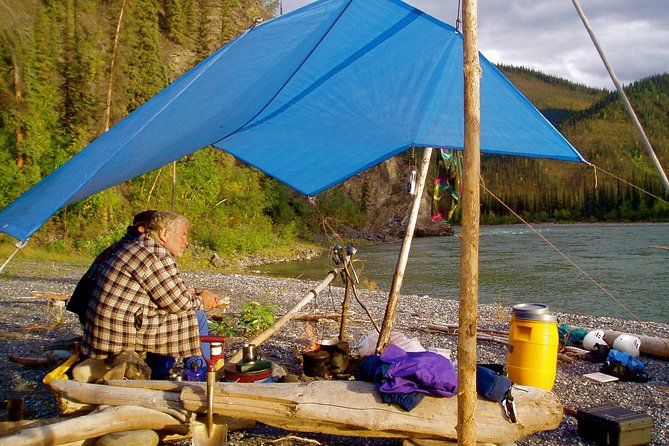
The overnight stay is camping, not a conventional room. One night of accommodation is included, and tents are among the supplied items. You may also have the chance to sleep in the survival shelter you build.
That option is ideal for someone who wants to test a new skill right away. It may be less appealing if you prefer a warm bed, private facilities, or a predictable night indoors. The experience is aimed at outdoor enthusiasts, so comfort takes second place to practice.
Most people can participate, according to the supplied information, and children may attend when accompanied by an adult. A child rate applies only when sharing with paying adults. Service animals are allowed.
Who should book this course
I would recommend it most strongly to a beginner who wants a structured start in outdoor skills. If you have camped before but never learned how to think through an emergency, this course gives you a useful framework.
It also suits parents and children who want a shared outdoor project, provided the child is accompanied by an adult. The private format makes it easier to keep the experience focused on your group’s pace.
A group preparing for backcountry travel can also gain from the combination of safety priorities, fire, shelter, knots, navigation, and plant identification. The course does not replace experience, but it can give you more confidence before heading farther from help.
I would be more cautious if you already have advanced survival training. The course is introductory, and the advanced subjects are dependent on available time. You may find the two days too basic if you already use navigation tools, make shelters, and practice bushcraft regularly.
You should also think twice if you expect transportation, a guaranteed campsite arranged in advance, or restaurant-style meals. Those expectations do not match the stated package.
Booking details worth checking
Confirmation is provided at booking. Free cancellation is available up to 24 hours before the start time for a full refund. Cancellations or changes made inside that 24-hour window are not accepted for a refund, with cut-off times based on local time.
Before paying, confirm the meeting point, meal arrangements, personal packing needs, and the exact plan for your group. Ask about any particular skill you hope to practice, since the course can be customized.
Plan to arrive at HI Nordegg Shunda Creek Wilderness Hostel in time for the 9:30 a.m. start. Since the course can end in the late afternoon or early evening on day two, leave space in your schedule afterward.
Should you book it?
Book this course if you want a practical introduction to survival skills in the Rockies and value hands-on work over a polished sightseeing itinerary. The private format, included equipment, camping, meals, and experienced instructors give the $205.56 price solid value for a first step into bushcraft.
Skip it if you want a luxury camping weekend, fixed advanced instruction, or transportation arranged from your accommodation. For the right person, sleeping beside a shelter you helped build and using a compass on the trail can make the weekend stick in your memory. Just arrive with realistic expectations, a flexible schedule, and a willingness to learn the basics properly.
FAQ
Where does the course begin?
It begins at HI Nordegg Shunda Creek Wilderness Hostel, 321 Shunda Creek Road, Nordegg, Alberta, T0M 2H0.
How long does the course last?
The course lasts approximately two days. It begins at 9:30 a.m. on the first day and finishes in the late afternoon or early evening on the second day.
What is the price?
The listed price is $205.56 per person.
Is transportation included?
No. Transportation to and from the program is not included. The first day includes a drive of about 40 kilometers from Shunda Creek to the training location.
Is this a private activity?
Yes. Only your group participates, and a minimum of four people per booking is required.
What equipment is provided?
Course equipment includes tents, hatchets, knives, compasses, GPS units, and other equipment needed for the course.
Is camping included?
Yes. One night of camping is included. You may also have the opportunity to sleep in a survival shelter you build.
Are meals included?
Yes. Breakfast, lunch, and dinner are listed as included during the course. Two lunches are also listed in the inclusions.
Can children participate?
Yes. Children must be accompanied by an adult, and the child rate applies only when sharing with paying adults.
What happens if bad weather cancels the course?
If poor weather causes cancellation, you are offered a different date or a full refund.
Just added around Alberta
- Official SkiByk Rentals in Banff & The Canadian Rockies★ 5.0 · 9 reviews
- Yoho National Park Self-Guided Driving Audio Tour★ 4.0 · 4 reviews
- Icefields Parkway: a Smartphone Audio Driving Tour★ 4.0 · 118 reviews
- Moraine Lake and Lake Louise Sightseeing Half Day Tour★ 5.0 · 23 reviews
- Discover the Lake Agnes Tea House Trail with an Audio Nature Tour★ 4.0 · 7 reviews
- Lake Louise to Jasper One-Way Tour★ 5.0 · 17 reviews
- Airport Shuttle: Lake Louise <---> Calgary★ 5.0 · 4 reviews
- Lake Louise Summer Gondola Experience★ 4.0 · 65 reviews