
Reviewed · MUSEUMS
Ottawa: Canadian War Museum Admission
The Canadian War Museum does more than line up tanks and uniforms. Its building tells part of the story, with rough concrete, uneven floors, and windows spelling Lest We Forget / N’oublions jamais in Morse code. I like the way the architecture makes you think about the cost of war before you even reach the galleries.
I also like the personal stories woven through the displays and the large LeBreton Gallery, where artillery and military vehicles give the collection real weight. The main drawback is time: two hours can provide a useful visit, but you need six to eight hours if you want to read and see nearly everything.
Key points to know before you go
- The building is part of the exhibit: Raymond Moriyama’s design uses rough walls, uneven floors, and Morse code to express loss and hope.
- The galleries follow Canada’s military story: You move from early conflicts in Canada through the First and Second World Wars to more recent conflicts.
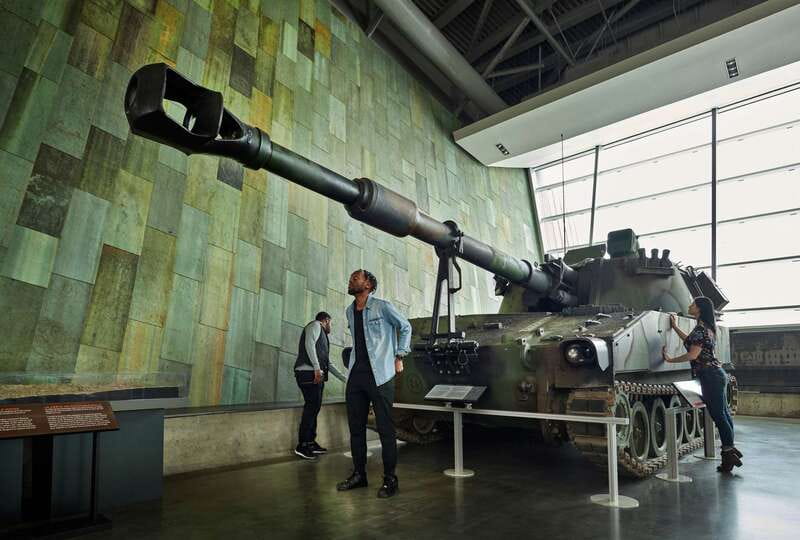
- LeBreton Gallery is the big visual hit: Tanks, artillery, and military vehicles make this a strong stop for families and anyone interested in military technology.
- Memorial Hall calls for quiet: Canada’s Unknown Soldier’s headstone gives the visit a solemn pause away from the machinery and displays.
- You set the pace: Admission covers permanent galleries and special exhibitions, with no fixed tour group to follow.
- Plan for a long visit: Two hours covers the main path, but six to eight hours suits careful readers and museum fans.
First impressions at 1 Vimy Place

The Canadian War Museum sits at 1 Vimy Place, within easy reach of downtown Ottawa by foot, bicycle, public transit, or car. You go straight to the exhibition access point rather than stopping at the Museum Box Office, which keeps arrival simple.
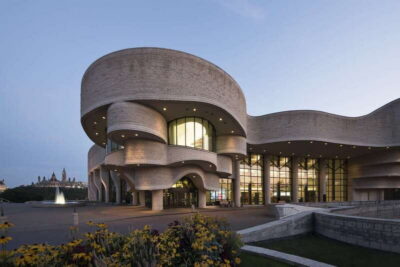
The building is a striking introduction. Japanese-Canadian architect Raymond Moriyama designed it around the idea of regeneration. That idea matters here: the museum does not present war as a clean sequence of victories, medals, and machines. It points to destruction, grief, survival, and the hope of building something better afterward.
Look up at the windows and you will find a quiet message in Morse code: Lest We Forget / N’oublions jamais. Rough concrete walls and uneven floors make the structure feel less polished than a typical national museum. That is intentional. You may find the design powerful, though visitors who prefer bright, easy-to-navigate spaces may find some areas subdued.
Give yourself a moment before rushing into the galleries. The architecture sets the tone for a visit that asks you to think, not simply collect facts.
More Museum Tours in Ottawa
- Gatineau: Canadian Museum of History Admission
★ 4.8 · 230 reviews - Ottawa: Canadian Museum of Nature Admission
★ 4.6 · 226 reviews - Canadian War Museum Admission
★ 4.5 · 213 reviews
Following Canada’s military story
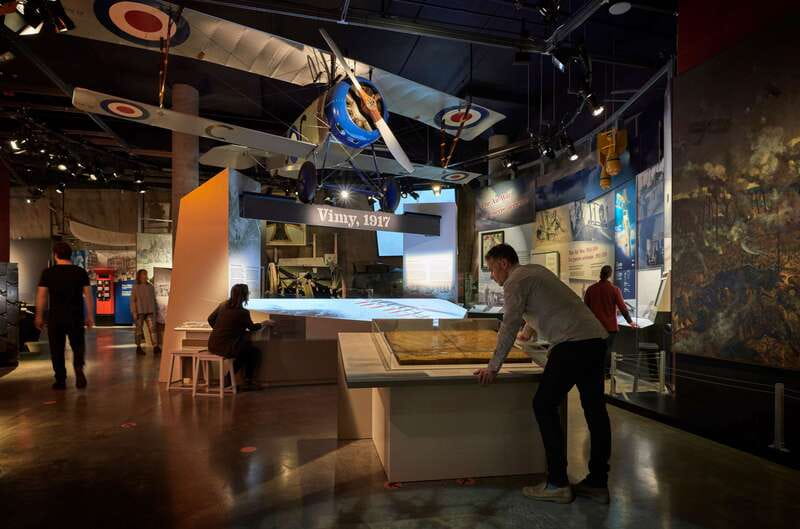
The galleries are arranged in chronological order, which helps you get your bearings. You begin with early wars in Canada and move through the country’s military involvement in the First World War, the Second World War, later conflicts, and contemporary service.
That order is useful if your knowledge of Canadian military history is patchy. One visitor who had only two hours found the overall layout simple to follow, while still discovering how much Canada had been involved in over the years. I would use the same approach: follow the main sequence first, then return to sections that catch your attention.
The museum uses objects, photographs, works of art, personal accounts, interactive presentations, and reconstructed environments. The mix keeps the visit from becoming a wall of dates. A uniform can show rank and equipment, while a letter or family story reveals what service meant away from the battlefield.
The personal material is often the emotional center. Stories from soldiers and families bring the subject down from national policy to ordinary lives. You may read about service, loss, return, or the difficult years after a conflict. This is where the museum asks more demanding questions about what happens when a war ends.
The exhibits cover serious subjects, so families should decide how much detail is right for younger children. The museum does offer family programming and displays that can engage children, but the subject matter is not always light.
The First and Second World War galleries
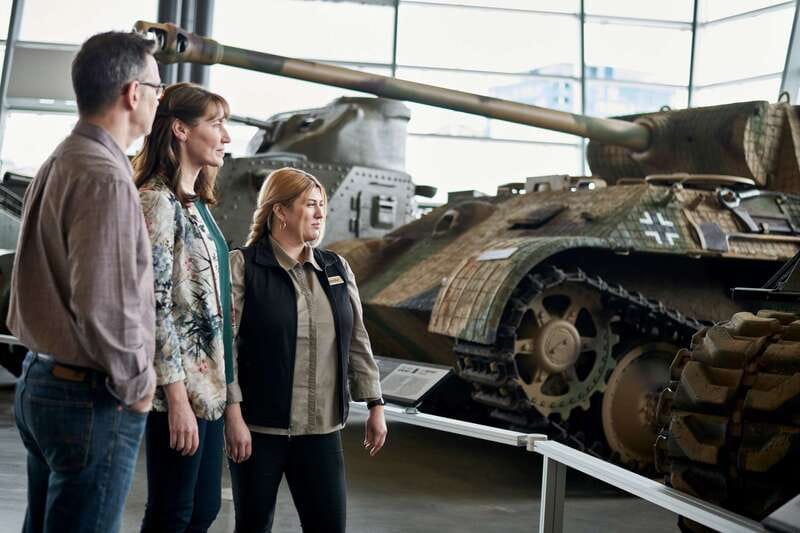
The First and Second World Wars receive major attention, and you can spend hours with their objects and accounts. Canada’s role comes through in military equipment, uniforms, photographs, art, and personal records.
The Second World War section may be a sensible place to begin if your time is tight. It is one period that visitors often want to understand first, and starting there lets you see a major part of Canada’s wartime contribution before working backward or forward.
Still, I would not skip the earlier galleries if you have the time. The chronological setup helps explain how Canada’s military identity developed. You gain more from later exhibits when you understand the conflicts and choices that came before them.
Lighting is not perfect everywhere. One visitor found some displays too dim, so bring patience when reading labels in darker sections. The subdued lighting can suit the subject, but it may slow you down, especially if you are trying to cover a lot in one visit.
LeBreton Gallery and the military machines
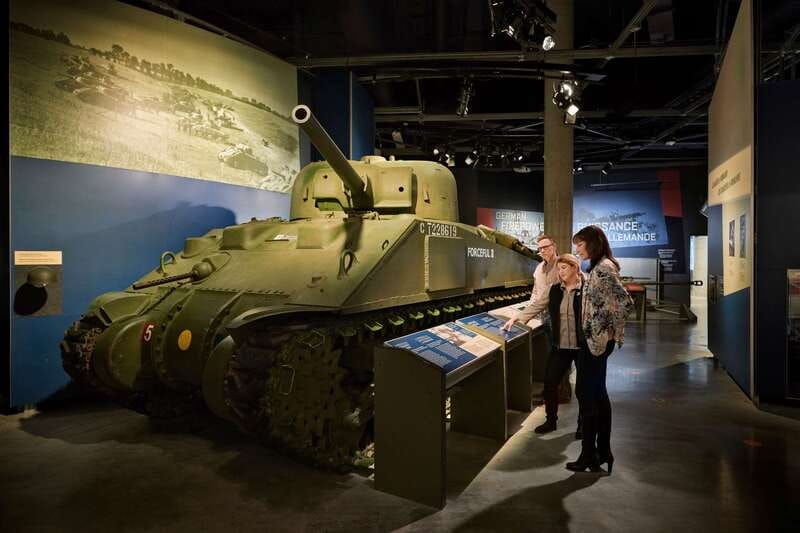
The LeBreton Gallery is the museum’s most immediate crowd-pleaser. Here, large artillery pieces, tanks, and military vehicles give you a sense of scale that photographs cannot match.
You can walk around the machines and study the details of armour, wheels, tracks, weapons, and interiors where accessible. The collection is one of the museum’s strongest reasons to visit, even if you are not a military specialist. Children often connect with the size and shape of the vehicles first, then begin asking questions about how they were used.
The gallery also helps explain the practical side of warfare. Equipment reflects the conditions soldiers faced, the technology available at the time, and the changing needs of an army. The vehicles are not just impressive objects. They show how engineering and logistics affect life in conflict.
Allow more time here than you might expect. It is easy to walk past a tank, take a quick look, and move on. If you are interested in armoured vehicles, this collection can absorb a large part of your visit. One military museum enthusiast rated the armoured vehicle and tank collection among the best they had seen, alongside major Second World War museums in Europe and the United States.
Same trip, a completely different kind of day out:
- Ottawa: Bilingual Guided City Tour by Amphibious Bus
★ 4.6 · 2,089 reviews - Ottawa: Sightseeing River Cruise
★ 4.3 · 1,585 reviews - Ottawa: Rideau Canal Cruise
★ 4.4 · 1,303 reviews - Ottawa: Hop-On Hop-Off Guided City Tour Pass
★ 4.4 · 1,194 reviews
Art, archives, and voices from service
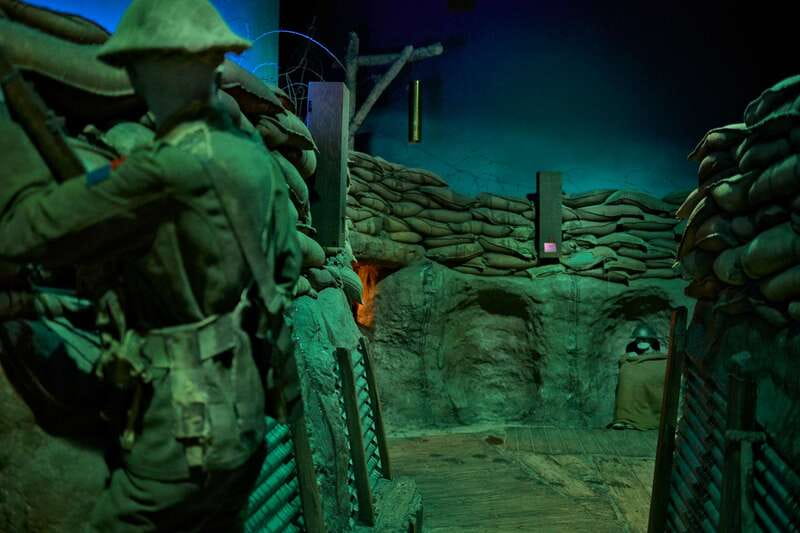
The Canadian War Museum’s collections extend well beyond weapons. You will find medals, small arms, uniforms, rare books, archives, photographs, and the Beaverbrook Collection of War Art.
The art adds a different kind of evidence. A painting can show mood, landscape, exhaustion, fear, or distance in a way that a technical object cannot. It also reminds you that military history is recorded not only by commanders and official reports, but by artists and observers trying to make sense of events.
Special exhibitions change over time. The museum has presented subjects connected with both world wars, along with art made by women in conflict zones. An exhibition called In Their Own Voices made a particularly strong impression through accounts of postwar and post-service struggles. It is worth checking the current temporary exhibition schedule before your visit, since these displays can change the shape of your day.
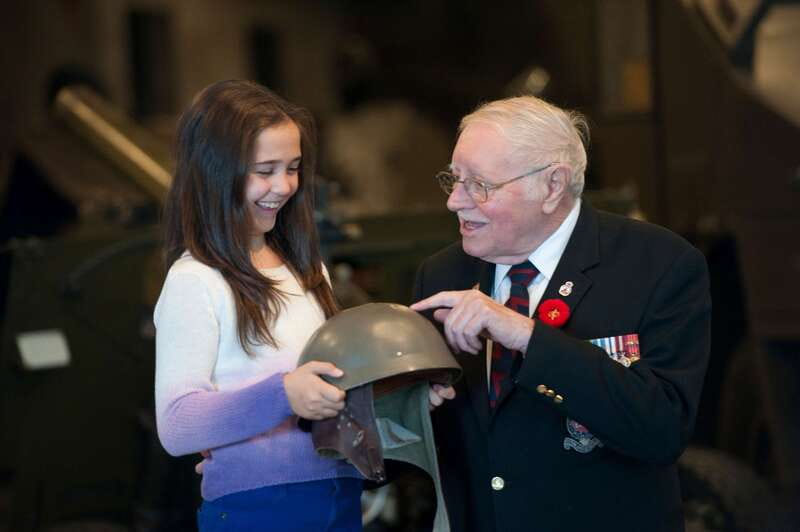
You may also encounter presentations or opportunities to speak with a veteran. That personal contact can make the history feel immediate, but availability may depend on the day and the museum’s program schedule. Do not build your entire visit around a guaranteed conversation unless the museum confirms one.
Memorial Hall and the Unknown Soldier
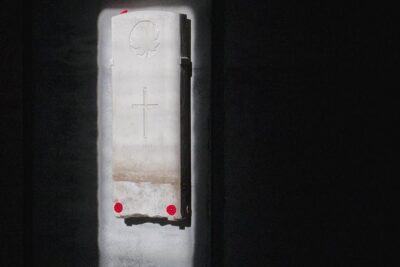
Memorial Hall provides the museum’s quietest and most solemn moment. At its center is the headstone of Canada’s Unknown Soldier, and the space encourages you to stop rather than rush onward.
After the machinery and crowded information of the galleries, this room changes the pace. It gives a face, or rather an absence of a face, to the many people whose service and deaths cannot be reduced to a single biography. I would not treat it as a quick photo stop. Stand quietly, read the surrounding information, and let the space do its work.
The Moriyama Regeneration Hall and the Royal Canadian Legion Hall of Honour add further places for reflection. Together, these spaces keep the museum from becoming only a collection of vehicles and military hardware. They return the focus to people, memory, and the long effect of war.
How long should you spend?
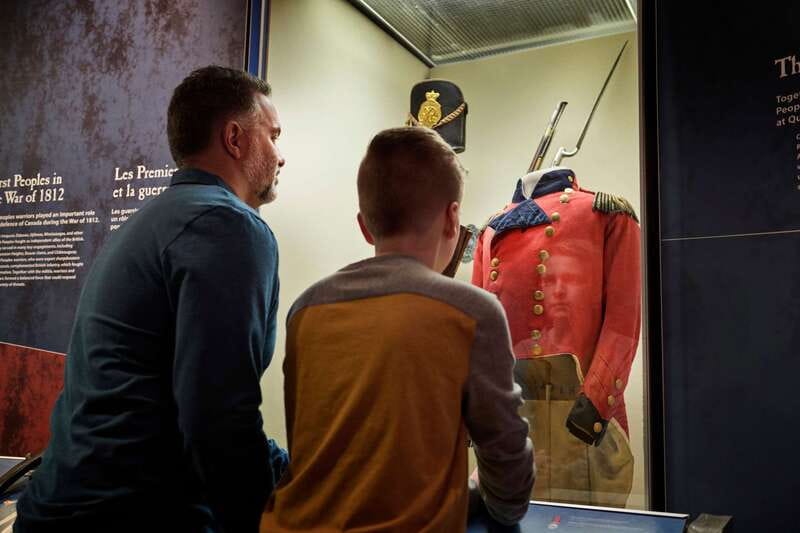
You can make a worthwhile visit in two hours if you focus on the major galleries, LeBreton Gallery, and Memorial Hall. That is the minimum I would allow, not the ideal.
Plan around four hours if you want to read selected labels, explore the main historical sequence, and spend proper time with the vehicles. For a careful visit, six to eight hours is realistic. One visitor specifically advised allowing that much time to see and read everything.
The good news is that the ticket is valid for one day. You can take the museum at your own pace rather than racing behind a guide. A self-serve coat check is included, and a multilingual museum guide is available. Wear comfortable shoes because the building is large and the floors are not always even.
If you are visiting with children, consider setting a simple plan before entering. Choose a few vehicles, one or two personal stories, and a quiet stop in Memorial Hall. That gives younger visitors clear goals without asking them to absorb every label.
Price, planning, and practical value
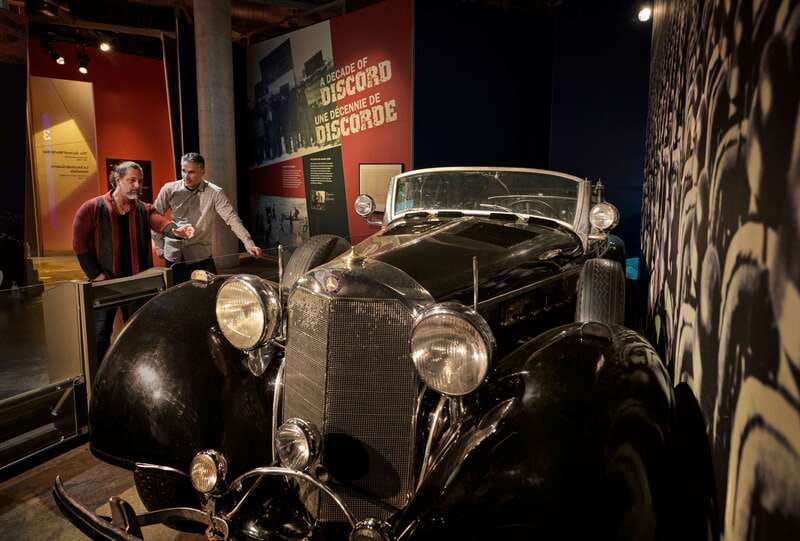
Admission is listed at $18 per person. For a national museum with permanent galleries, special exhibitions, major vehicles, art, archives, and a full day of content, that is good value if you have the time to use it.
The value drops if you only have an hour. In that case, you will see the building and a handful of displays, but you will miss much of what makes the museum worthwhile. If your schedule is tight, choose the main historical route, World War sections, LeBreton Gallery, and Memorial Hall.
It is also smart to compare the booking price with the museum’s own admission rate before paying. One couple found that booking directly with the museum would have saved $23 on two tickets. Prices and booking arrangements can change, so check both options on the day you reserve.
General admission is free for children and youth aged 17 and under under the Canada Strong Pass period listed for December 12, 2025 through January 15, 2026. Young adults aged 18 to 24 receive 50 percent off during that period, and proof of age may be required. The offer does not apply to group bookings, summer camps, or birthday parties.
Food and drinks are not included, and food and drinks are not allowed in the museum spaces. Parking is also not included. Smoking and pets are not allowed, though assistance dogs are permitted.
The museum is wheelchair accessible. If you need a slower route, the open layout and self-guided format let you pause as needed.
Who will enjoy this museum most?
I would recommend it to anyone interested in Canadian history, military technology, family stories, war art, or national memorials. You do not need specialist knowledge. The chronological galleries and clear mix of objects and stories give you a workable entry point.
Families can do well here, especially if children are old enough to ask questions about the vehicles and exhibits. The museum’s size means you should not try to see every label with younger children. Pick highlights and keep the pace flexible.
It is also a strong rainy-day choice in Ottawa. You can spend a few hours indoors, but the museum is serious rather than playful. If you want a light attraction with quick entertainment, this may feel heavy.
History students and museum fans should allow most of a day. The personal accounts, art collection, archives, and special exhibitions reward slow looking. The same is true for anyone whose family has a connection to Canadian military service.
Should you book the Canadian War Museum?
Yes, if you can give it at least two hours and preferably half a day. The museum combines powerful human stories with a major collection of tanks, artillery, uniforms, weapons, art, and photographs. The building itself adds meaning, especially through its rough surfaces, Morse code windows, and spaces for remembrance.
Book it if you want a serious, well-organized look at Canada’s military past. Think twice if you have only a short gap in your Ottawa schedule, or if you prefer small museums that can be finished quickly.
For the best value, compare direct admission prices, check the temporary exhibition schedule, wear comfortable shoes, and begin with the chronological galleries before spending time in LeBreton Gallery. Leave room for Memorial Hall at the end. That quiet pause may be the part you remember longest.
FAQ
Where is the Canadian War Museum?
The museum is at 1 Vimy Place in Ottawa, Ontario, Canada.
How much does admission cost?
The listed price is $18 per person. Check the current rate before booking, since direct admission and third-party prices may differ.
How long is admission valid?
Admission is valid for one day.
What does the ticket include?
It includes entry to the Canadian War Museum, permanent galleries, special exhibitions, a multilingual museum guide, and a self-serve coat check.
Is the museum wheelchair accessible?
Yes, the Canadian War Museum is wheelchair accessible.
Can children enter free?
Children and youth aged 17 and under have free general admission during the Canada Strong Pass period listed from December 12, 2025 through January 15, 2026. Proof of age may be required.
Are food and drinks allowed inside?
No. Food and drinks are not allowed, and they are not included with admission.
Can I cancel my booking?
Yes. You can cancel up to 24 hours in advance for a full refund. You can also reserve now and pay later when that option is available.
Just added around Ottawa
- Private day tour to wildlife Parc Omega and Montebello lodge from Montreal★ 5.0 · 40 reviews
- Ottawa Private Day Tour from Montreal★ 4.5 · 27 reviews
- Ottawa: Taste of the ByWard Market Food Tour★ 4.9 · 50 reviews
- Ottawa: Helicopter Ride with Live Commentary★ 5.0 · 130 reviews
- Ottawa: Ecological Reserve Kayak Tour with Turtle Sightings★ 5.0 · 54 reviews
- Ottawa: Floating Tiki Bar Cruise on the Ottawa River★ 4.7 · 164 reviews
- Ottawa: Small Group Night Tour With River Cruise★ 4.2 · 54 reviews
- Ottawa: Small-Group Walking Tour with Boat Cruise★ 3.8 · 5 reviews
Museums, compared.
Toronto: Royal Ontario Museum Admission Ticket
The full write-up →
Toronto: Art Gallery of Ontario General Admission Ticket
The full write-up →
Gatineau: Canadian Museum of History Admission
The full write-up →
Browse the lists this tour appears in