
Reviewed · WALKING TOURS
Niagara-on-the-Lake: Guided Walking Tour
Niagara-on-the-Lake is easy to admire and surprisingly easy to misunderstand. Its pretty streets, old buildings, horse-drawn carriages, and flower-filled gardens can feel almost too polished until a local guide explains the town’s role in the War of 1812, the Underground Railroad, Canadian theatre, and the wine trade. This 90-minute walking tour gives you that missing context without turning your morning into a history lecture.
I like the small groups, limited to eight people, and the relaxed pace. I also like the practical local advice: guides such as Patrick and Paula point out places to eat, shop, and visit after the walk. The main drawback is that this is an overview, not a detailed museum tour. If you want long stories about every battle or access to every historic site, you may want to add museum and fort visits afterward.
Key points at a glance
- A gentle route through Old Town: See the Pillar and Post gardens, Queen Street, historic buildings, and the waterfront without rushing.
- A local view of Niagara-on-the-Lake: Patrick, Paula, and other local guides explain how the town developed and what makes it different from a simple postcard stop.
- A strong mix of history and scenery: The tour covers the War of 1812, the Underground Railroad, Fort George, Butler’s Barracks, and Fort Mississauga.
- Small groups make questions easy: With no more than eight participants, you can ask for restaurant, winery, and sightseeing advice.
- A memorable waterfront finish: Queen’s Royal Park offers views across Lake Ontario and the mouth of the Niagara River toward Fort Niagara, New York.
Why this short walk is useful
Niagara-on-the-Lake is compact, but its story is not. The town has preserved colonial buildings, a busy theatre scene, wine country connections, military sites, and a waterfront where the Niagara River meets Lake Ontario. You can see much of the central area on your own, but it is harder to understand why the buildings matter or how the town fits into Canadian history.
That is where this tour earns its keep. You are not simply led from one photo stop to the next. The guide connects the streets and buildings to larger events, then adds the kind of local advice that is hard to get from a map.
The tour costs $36 per person. I consider that a fair price for a short orientation walk, especially if you are visiting Niagara-on-the-Lake for only a few hours. It becomes better value if you use the advice afterward, perhaps by choosing a recommended restaurant or planning a winery visit in the surrounding area.
The value is less clear for anyone who already knows the town well or has arranged a private guide. This is designed as a friendly introduction. It gives you a strong first look, not an exhaustive examination of every historic site.
More Walking Tours in Niagara Falls
- World Famous Boat Cruise with Historical Walking Tour and more
★ 5.0 · 202 reviews - Walking Tour of Niagara Falls Canada and Hornblower Boat
★ 4.8 · 202 reviews - Niagara Falls Canada Walking Tour With Boat Cruise
★ 5.0 · 195 reviews
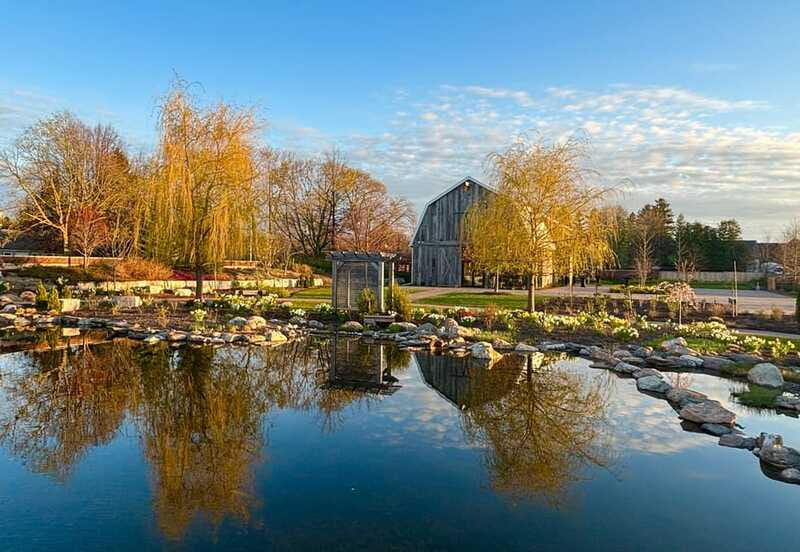
Starting beside the Pillar and Post gardens
The meeting point is across the road from the main entrance of the Pillar and Post Hotel. Look for the guide outside the gates to the gardens, wearing an A You Choose Niagara shirt or jacket. There are two garden entrances, so use the main entrance and arrive with enough time to identify the meeting spot.
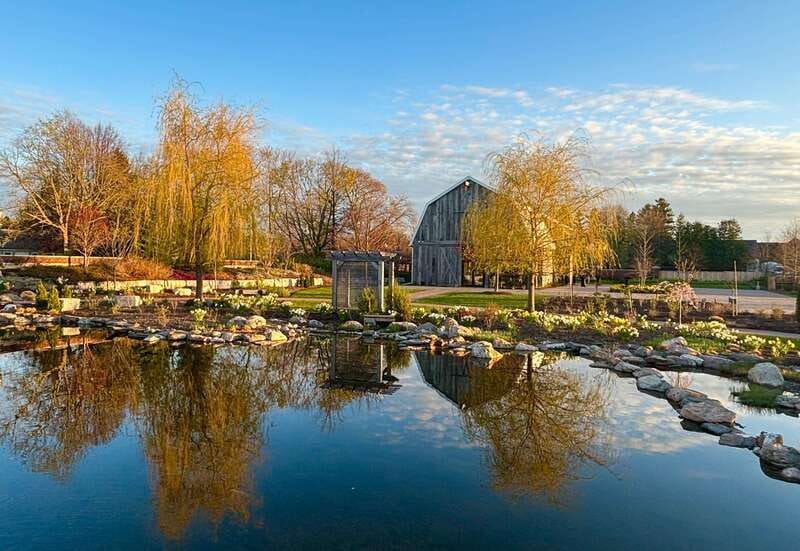
The tour begins with the gardens at the Pillar and Post Hotel. They are described as Monet inspired, which gives you an idea of the mood: flowers, paths, and carefully arranged planting rather than a formal military or civic site. This opening works well because it introduces the town through its softer side before the walk turns to buildings and politics.
Bring a camera, but do not forget water and comfortable shoes. The route is not presented as strenuous, yet you will be on your feet for the full 90 minutes. Wear clothing suited to the day, since much of the experience takes place outdoors.
The start is also convenient for setting expectations. The guide can explain how the walk will unfold and answer immediate questions about the town. Lyndsey, the company owner, has also been noted for sending clear details ahead of time, which helps you arrive at the right entrance.
Queen Street and the old town core
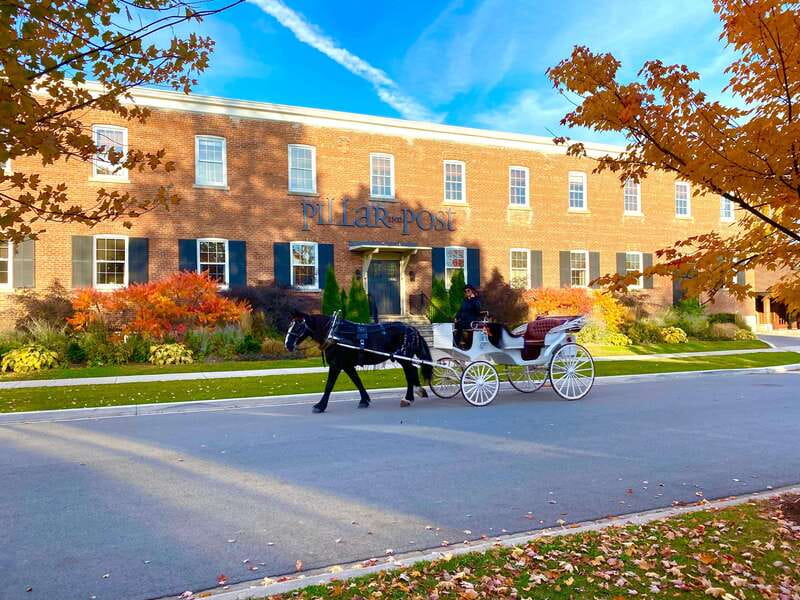
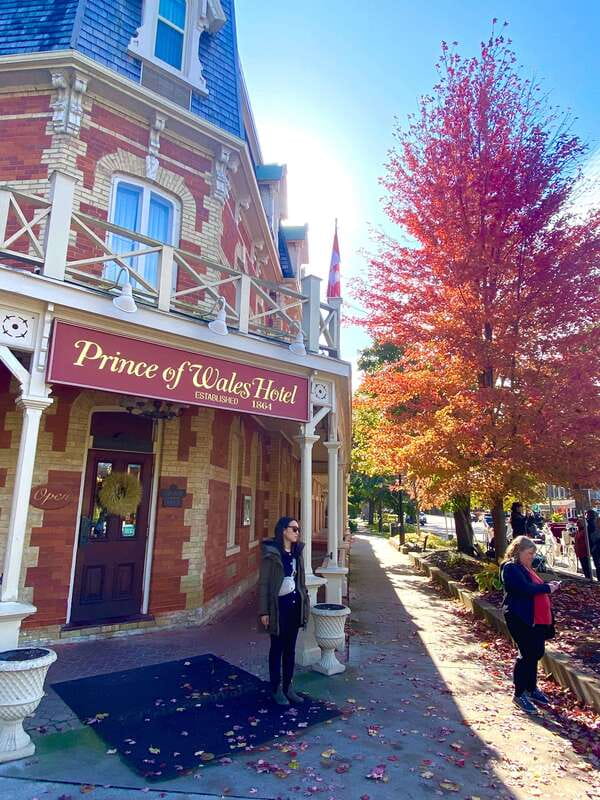
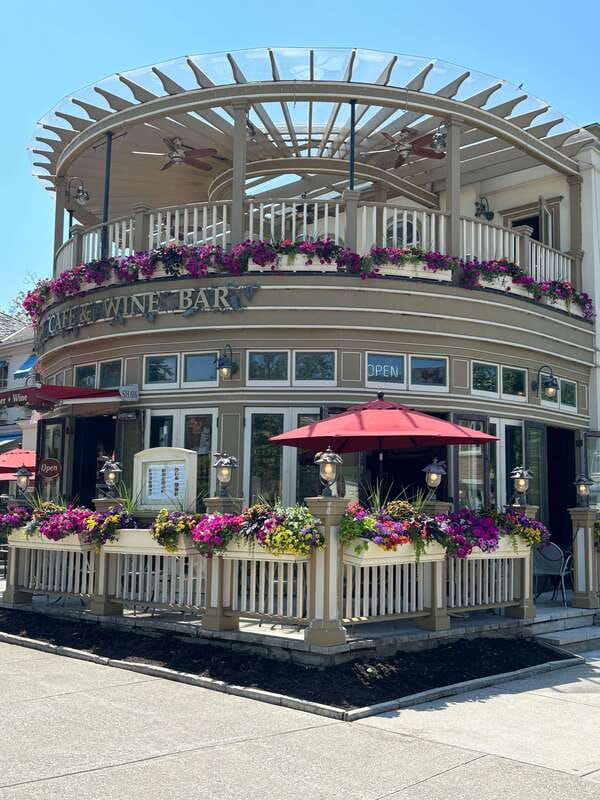
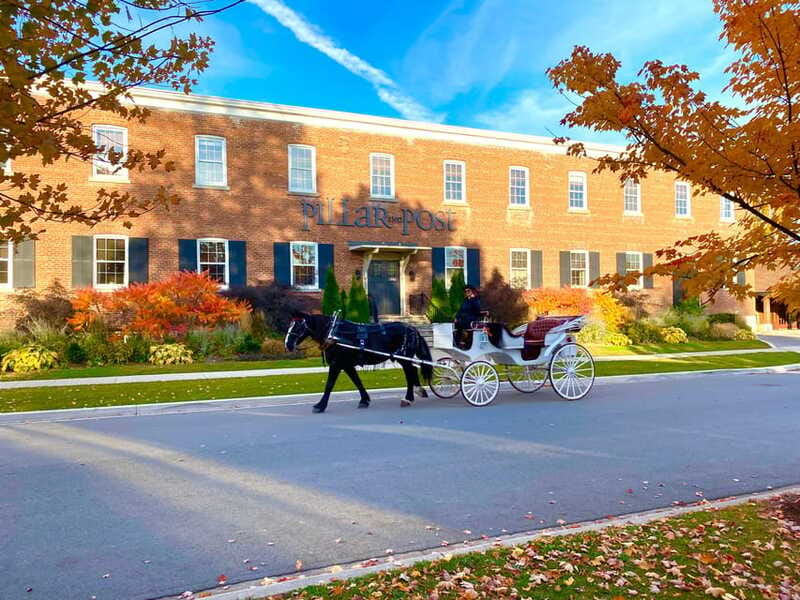
From the gardens, the route moves into the National Heritage Site of Old Town Niagara-on-the-Lake. Queen Street is the main tourist area, with colonial buildings, small boutiques, restaurants, the courthouse, the cenotaph, an old apothecary, and horse-drawn carriages.
This is the part of town most people photograph, but the guide adds useful layers. You hear how buildings have changed use over time and how old structures now serve modern shops, restaurants, and other purposes. That makes the street feel less like a preserved movie set and more like a living town with an unusually old face.
The pace is deliberately easy. That matters on Queen Street, where you may want time to look at façades, gardens, shop windows, and passing carriages. It also helps if someone in your group walks slowly. One guide adapted the route for a participant who could not move quickly, and that kind of flexibility is worth having on a walking tour.
The tradeoff is that a leisurely pace limits how much history can fit into 90 minutes. You will get an overview of the main buildings and stories, but the tour may not spend long enough at each one for a detailed account. One guide was also praised for making excellent food recommendations, so keep a note on your phone for places you want to revisit after the walk.
The Shaw Festival and the town’s modern identity
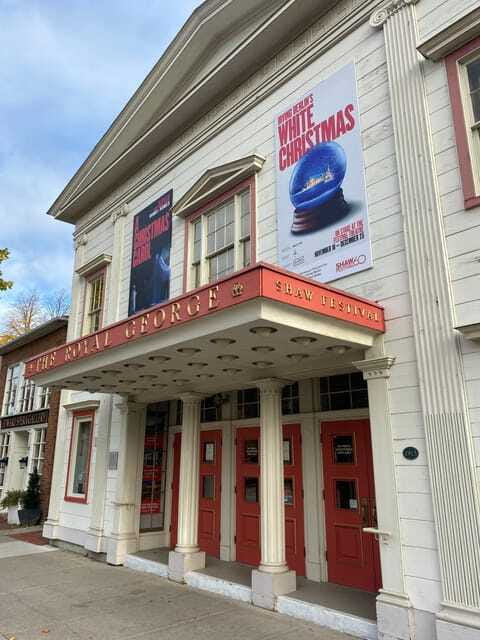
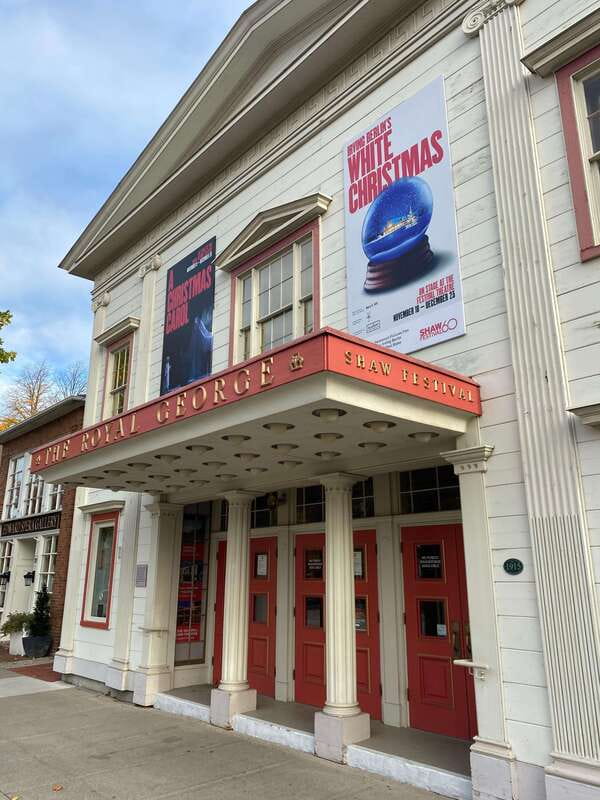
The guide points out the Shaw Festival Theatre, one of the main forces bringing people to Niagara-on-the-Lake. This is an important stop because it shows that the town is more than a pretty collection of old buildings.
The theatre helps explain the rhythm of the place. Visitors come for performances, then spend time in restaurants, shops, hotels, and wineries. Even if you do not have a ticket, knowing the theatre’s role helps explain why the town can feel both historic and carefully geared toward cultural visits.
The walk does not include a performance, and you should not expect theatre admission. Its value here is context. You learn how arts and tourism have shaped the modern economy of Niagara-on-the-Lake.
That broader view is one of the tour’s strengths. The guide talks about wine production as well, including the claim that the region produces 67 percent of Canada’s wine. The area has more than 100 wineries, so a short town walk can help you decide whether to spend another day visiting vineyards or simply choose a bottle with dinner.
Same trip, a completely different kind of day out:
- Niagara Falls: Premium Tour, Boat & Journey Behind the Falls
★ 4.8 · 4,207 reviews - Toronto: Niagara Falls Day Tour with Optional Boat Cruise
★ 4.6 · 3,178 reviews - Best of Niagara Falls Canada Premium Tour: Behind Falls and Boat
★ 5.0 · 3,139 reviews - Niagara Falls Day Tour from Toronto
★ 5.0 · 2,889 reviews
The military story behind the pretty streets
Niagara-on-the-Lake’s charm can make its military past easy to overlook. The guide explains the town’s importance during the War of 1812 and points out connections to Fort George, Butler’s Barracks, and Fort Mississauga, all National Heritage Sites in the area.
You should understand the limits here. The walking tour discusses these places, but it does not replace visiting them. In at least one case, a participant felt that a site such as the barracks was pointed out from a position where it was difficult to see clearly. If military history is your main reason for coming, plan extra time for the forts and museum.
Still, the overview is useful. It gives you a reason to visit the sites later instead of treating them as isolated attractions. You begin to see the town as a strategic location near the Niagara River and the United States, not simply as a handsome resort community.
The tour also covers Niagara-on-the-Lake’s connection to the Underground Railroad. That subject adds an important human dimension to the town’s past. The guide may not have time to tell every story in depth, but the topic belongs in any honest account of the area and gives you another thread to follow during a later visit.
Queen’s Royal Park and the view across the river
The walk continues to Queen’s Royal Park, where an iconic gazebo overlooks Lake Ontario near the mouth of the Niagara River. This is the tour’s clearest scenic reward.
From the waterfront, you can look across toward Fort Niagara in New York. The view helps you understand the town’s position at the meeting point of lake, river, and international border. It also provides a change of pace after the close streets of the old town.
Bring your camera for this section, but give yourself time to simply look. The waterfront is not just a quick photo stop. It is where the geography behind the town’s military and trading history becomes easier to grasp.
Weather matters here. The tour runs in cold conditions, and one guide was present and ready even on a bitterly cold day. Still, dress for the forecast. A bright summer morning can make the walk comfortable, while wind and winter temperatures can change the experience quickly.
For summer visits, an early start is sensible. One practical suggestion is to take the walk in the morning, before the day becomes hot, then use the afternoon for boutiques, a patio, or wine tasting.
What the guide adds to the experience
The best part of this tour is the guide’s role. Patrick receives especially strong praise for being patient, personable, entertaining, and well informed. He answered a long stream of questions from a family with children, kept a comfortable pace, and continued to make the walk feel relaxed.
Paula has also led the tour and brings the perspective of someone who has lived in Niagara-on-the-Lake her entire life. A lifelong local can explain small changes in the town and point out details that a guide using only a script might miss.
Guide quality can vary from one departure to another, as it does with any walking tour. One group found a guide’s dog distracting, even though the animal behaved well. That did not ruin the outing, but it is a reminder that small personal touches do not suit everyone equally.
The general pattern is clear: this tour works best when you ask questions. Ask where to eat after the walk. Ask which wineries suit your plans. Ask how the town changed after the War of 1812 or what the theatre means to the local economy. A small group of eight gives you room to do that.
Group size, accessibility, and timing
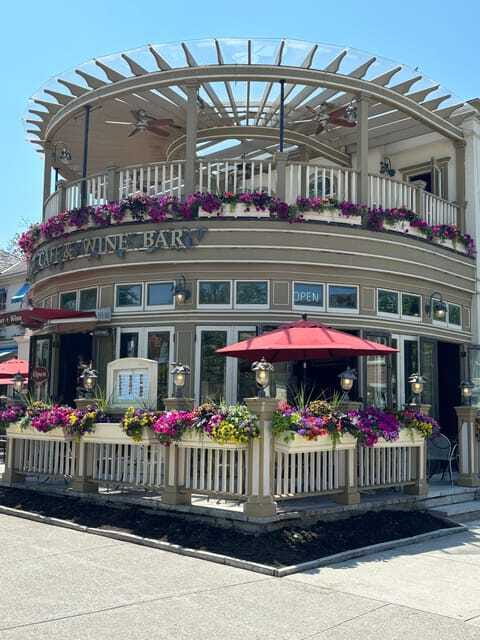
The group is limited to eight participants. That is a useful size for a town walk because you can hear the guide, stay together, and ask questions without interrupting a large crowd. It also feels more personal than a coach excursion.
The tour is wheelchair accessible, and the pace can be adjusted for someone who needs more time. Even so, confirm your own requirements when booking, since a historic town can include uneven surfaces and crowded public areas. The supplied information confirms accessibility, but it does not provide detailed surface or route measurements.
The duration is 90 minutes. That is long enough to cover the main central sights and waterfront, yet short enough to fit before lunch or another activity. It also makes sense for a day trip when you have only a few hours in town.
The tour is conducted in English. Food, drinks, hotel pickup, and hotel drop-off are not included. Plan to buy those separately, and remember that the local museum charges about $10 CAD if you choose to enter after the walk.
Who will get the most from this tour
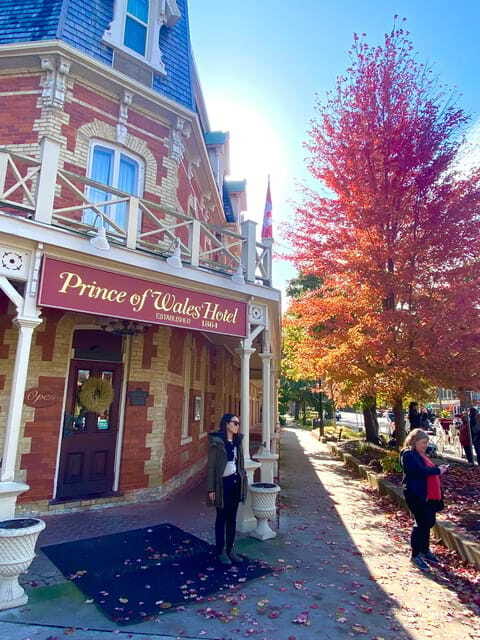
I would choose this walk if I were visiting Niagara-on-the-Lake for the first time, especially if I had limited time. It gives you a map in your head, explains the main sights, and leaves you free to return to the places that interest you most.
It also suits families, couples, groups of friends, and solo visitors who prefer a local introduction rather than a self-guided stroll. Children can ask questions, and the relaxed pace is helpful for mixed-age groups.
Wine fans will appreciate the explanation of the regional industry, but this is not a winery tour. You will not taste wine as part of the $36 price. Instead, you gain background that can help you choose a later winery visit.
History fans should see it as a starting point. The War of 1812, the forts, the Underground Railroad, and the old buildings all receive attention, but a single 90-minute walk cannot tell every story in full. Add the museum or one of the forts if you want more depth.
Practical details before you book
You can cancel up to 24 hours before the tour for a full refund, and the reserve-now, pay-later option keeps your plans flexible. Starting times vary, so check availability for your date.
Wear comfortable shoes and clothes, bring water, and carry a camera. In summer, morning is likely the most comfortable time for the walk. In winter, dress warmly, since the route is outdoors and the waterfront can feel exposed.
The rating is 4.8 from 43 reviews, with repeated praise for the friendly guides, calm pace, clear explanations, and useful restaurant advice. The occasional criticism is fairly specific: some people want more detailed historical storytelling, and a few sights may be hard to see from the exact stopping point.
Should you book the Niagara-on-the-Lake walking tour?
Book it if you want a friendly first orientation, prefer a small group, and value local advice as much as sightseeing. At $36, the tour is a reasonable way to make a short visit more rewarding, especially when Patrick, Paula, or another strong local guide is leading the walk.
Skip it if you already know the town well or want a full military history tour. In that case, spend the money on museum or fort admission instead.
For most first-time visitors, I would take the walk early, note the restaurant and winery suggestions, then use the rest of the day to explore at your own pace. That combination gives you both the town’s story and the freedom to enjoy its shops, theatre district, waterfront, and wine country without being rushed.
FAQ
How long is the Niagara-on-the-Lake walking tour?
The tour lasts 90 minutes.
How much does the tour cost?
The price is $36 per person.
Where does the tour meet?
Meet across the road from the main entrance of the Pillar and Post Hotel, outside the gates to the gardens. Use the main garden entrance.
How will I identify the guide?
The guide will wear an A You Choose Niagara shirt or jacket.
What language is the tour in?
The tour is conducted in English.
How large is the group?
The tour is limited to eight participants.
Is the walking tour wheelchair accessible?
Yes, the activity is listed as wheelchair accessible.
Are food and drinks included?
No. Food and drinks are not included in the tour price.
Is museum admission included?
No. Entry to the Niagara-on-the-Lake museum is separate and costs approximately $10 CAD if you choose to visit after the tour.
Just added around Niagara Falls
- Beer and Wine Tour in Niagara-on-the-Lake★ 5.0 · 22 reviews
- A Twilight Wine Adventure with 3-Course Dinner★ 5.0 · 51 reviews
- Amazing Scavenger Hunt: Hunt Along Niagara Falls★ 3.5 · 5 reviews
- All Inclusive Best Tour Ever Niagara Falls Canada Tour★ 4.5 · 92 reviews
- Private Wine Tour in Niagara-on-the-Lake w/ cheese & charcuterie★ 5.0 · 102 reviews
- 8 Hour Ontario Wine Tour with Cheese and Charcuterie★ 4.5 · 15 reviews
- Afternoon Wine, Beer and Charcuterie Tour in Niagara-on-the-Lake★ 5.0 · 172 reviews
- 3 HR Supercar Experience★ 4.5 · 12 reviews
Walking Tours, compared.
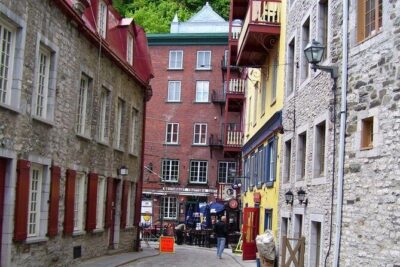

Old Quebec City: Grand Walking Tour with Private Option
The full write-up →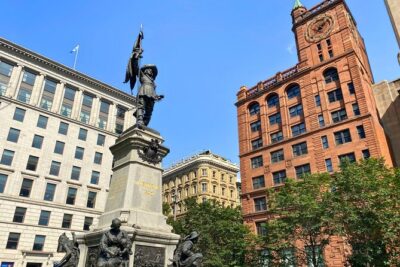
The Original Old Montréal Walking Tour by Guidatour
The full write-up →
Old Montreal Small-Group Walking Tour | Max 10 | by MTL Detours
The full write-up →
Old Quebec Classique Walking Tour with Funicular
The full write-up →
Vancouver Lost Souls of Gastown Walking Tour
The full write-up →
Quebec: Crimes of New France Animated Walking Tour
The full write-up →Browse the lists this tour appears in